

Joint Pain Blog
5 Easy Exercises to Relieve Arthritis in Your Hands
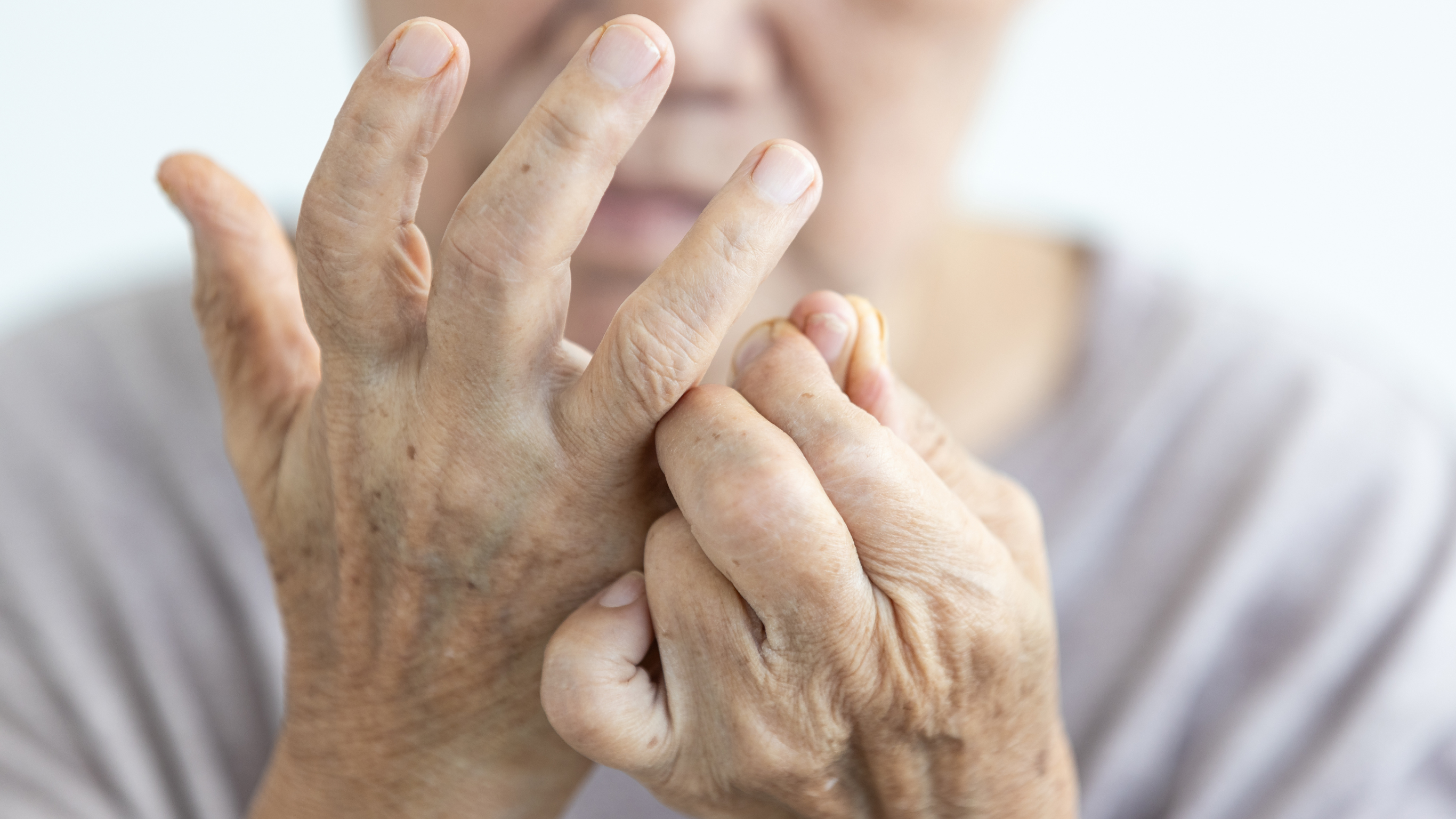
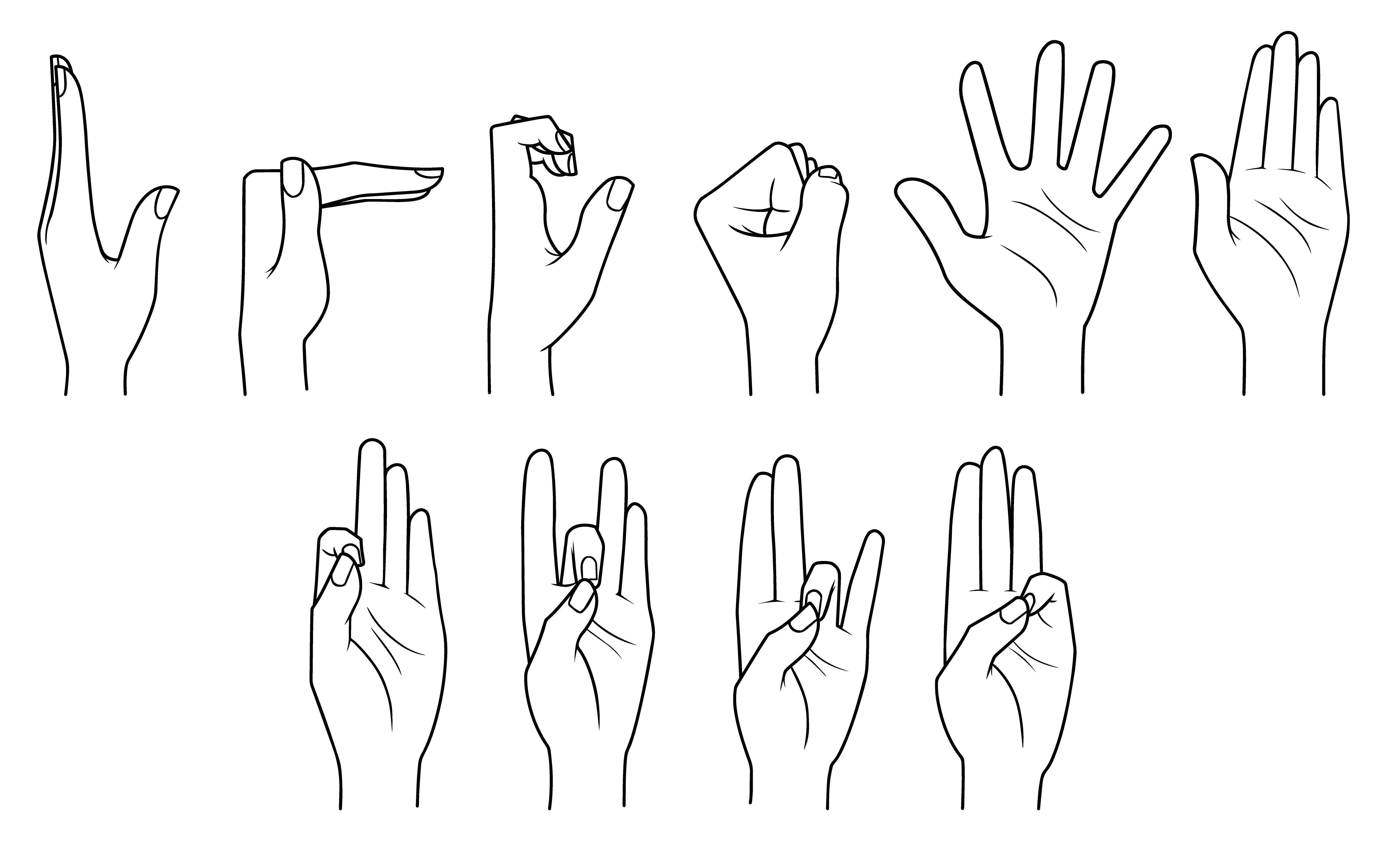
If you have arthritis in your joints, it's important to be mindful of the types of exercises you engage in. High-impact activities, such as running, jumping, tennis, or other intense sports, although they help circulation, can put a lot of strain on your joints, making your pain and inflammation worse and could increase the risk of joint damage over time. However, that doesn't mean you have to avoid exercise altogether - absolutely not! As for smaller exercises that you can fit into your daily routine, they can be a great help. Whilst not a cure, it’s been proven that exercises for arthritis can work wonders for joint pain, mobility, and stiffness. If you’re one of the 53 million people in the US living with arthritis, practicing these easy hand exercises for a few minutes a day might be just the thing to make your day-to-day that bit easier. Give them a go and see for yourself! Understanding Arthritis in the Hands Before we get into the nitty gritty of your new arthritis exercises, it’s important to understand what it is we’re dealing with here. Already clued up? Click below to skip straight to the exercises. What Causes Arthritis in the Hands and Fingers? Arthritis is a very common condition affecting millions of people in the US alone. When we think about arthritis, most people usually think of it as something that only affects the elderly. However, research shows that there are a whole host of non-age related factors that can cause joint inflammation. From broken bones to repetitive motions like pinching and grabbing, to a staph infection and our genes, the causes of arthritis run much deeper than simply getting older. Because we use our hands and fingers so much, it’s normally one of the first places we’ll notice arthritic pain and swelling, and one of the trickiest to live with. Common Symptoms of Hand Arthritis There are over 100 different types of arthritis, each with its own unique combination of symptoms. Generally, more common symptoms affecting the hands include: Pain: sore, achy hands and fingers that start off coming and going, get worse with use and better after rest, and can either become more constant or go away altogether. Bumps and lumps: common in osteoarthritis, you might get small bony bumps on your finger joints or painful, fluid-filled lumps on the backs of your fingers. Stiffness: the range of motion in your hands and fingers gradually gets worse and you’ll find it difficult to open and close your hand. Weakness: difficulty in doing things that used to be easy, like opening jars and unlocking doors. Swelling: the inflammation in your joints can cause your hands and fingers to become red, warm, and swollen, sometimes feeling tender to the touch. How Arthritis Affects Hand Mobility and Strength Because hand arthritis creates inflammation in your joints and wears down important tissues like cartilage and synovium (the outer covering of your joints), your tendons and ligaments have to work much harder to move about, and your bones might start to rub against each other. This causes pain and swelling, which makes movement incredibly difficult. Since you’re not moving your joints as much, the muscles in your hands begin to waste away, creating weakness and making it even harder to move. Why Hand Exercises Are Important for Arthritis Relief Think of it like learning a new hobby - the more you practice, the easier it becomes. If you keep skipping practice, you’re going to find it harder to keep up. It’s the same with our muscles! The more we keep them moving, the stronger they get, and the easier we’ll find using them. Hand exercises can also improve blood flow, reduce inflammation, and reduce stiffness, all of which keep us able to live independently and slows down the progression of arthritis. 5 Easy Hand Exercises for Arthritis Pain Relief Now we know why we need to practice our hand, finger, and thumb exercises for arthritis, let’s take a look at how we go about it. Each of these exercises is easy to slot into your day-to-day and only takes a few minutes to complete. Make sure to stop your repetitions when you start to feel pain and slowly build up to more as your flexibility improves - remember, slow and steady wins the race. 1. The Tabletop Great for movement in your third knuckle, also known as the MCP or metacarpophalangeal joint. Think of it like making a tiny imaginary tabletop with your hand; the flatter the better. - How it works: Keep your wrists and fingers nice and straight, bend your fingers at the third knuckle so your fingers are perpendicular to your hand. Slowly bring your fingers back up and repeat, focussing on those straight, strong lines. 2. Hook-Fist Now we’re moving on to our other knuckles. This is a 3-step exercise that engages your whole hand, working on that full range of motion in your joints. - How it works: Start with your hands stretched out, keeping your fingers as straight as possible. With a straight wrist, bend your second knuckles into a hook shape with the tips of your fingers meeting the top of your palm. From there, move into a strong fist, tensing and stretching each joint, and hold for 3-5 seconds. Move back into the hook, then back up to a flat palm, and repeat. 3. Finger O’s This exercise allows you to focus on each finger individually, which can help detect specific problem areas and lock in on those micro-movements. - How it works: Begin this exercise with your hand open wide, stretching your fingers out straight. Then, touch the tip of your index finger to your thumb to create an ‘’O’’ shape, then return to that wide stretch. Repeat with each finger until you’ve done your whole hand, then go back to the beginning and start again. 4. Table Spread For this one, you’ll just need a table or a desk. You can use talcum powder or a tissue to reduce friction if you need. - How it works: Rest your hand palm-down on the table. Slowly spread your fingers apart, then bring them back together again, pushing into the table. Repeat if possible. 5. Wrist Circles Now our hands are stretched and flexed, it’s time to look at the wrists. This exercise is incredibly easy, and important to add in with the rest of your hand routine. - How it works: Make a soft fist and slowly move your wrists in a circle, making sure to get every nook and cranny of the joint. Watch our video on the 'six pack' hand exercises here. Additional Tips for Managing Arthritis in the Hands 1. Heat therapy Just like a hot water bottle is great for stomach cramps, heat packs can be excellent for joint pain, inflammation, and mobility. You can buy a range of types, sizes, and styles to fit different purposes and activities, or you can try a simple hand soak in warm water. 2. Assistive devices There are plenty of innovative products that help make your daily activities easier and less painful. Zipper pulls and buttoning aids are great for helping you get dressed independently, whilst large rubber handles and fixed jar openers are perfect for cooking and preparing food. There are even products out there to help with hobbies like gardening and crocheting for the crafty folk among us! 3. Lifestyle changes We all know a healthy lifestyle is important. Living well won’t cure arthritis, but it can help improve symptoms and reduce inflammation. The two big ones are quitting smoking and keeping a healthy weight. Smoking increases inflammation and reduces circulation, which can make arthritis worse, and being overweight can put unwanted pressure on your joints. Whilst there is no evidence that specific diets can treat arthritis, a balanced diet containing all the necessary vitamins and minerals can be extremely beneficial. 4. Rest One of the worst things you can do for sore joints is push them too far. It’s important to get lots of rest to allow your joints to heal inflammation. This can do wonders for your pain and make recovery from flare-ups much easier. You wouldn’t go for a jog on a broken leg, so don’t push yourself too hard with your joints! 5. Medication There’s a whole world of incredible medications that help with arthritis. From painkillers to anti-inflammatories and steroids, there are many different combinations to try and it’s often a process of finding the right treatment for you, striking a balance between benefits and potential side effects. Always consult your doctor before trying any new medication and follow their advice on what to take and how to take it. 6. Compression therapy Compression therapy is an excellent, low-effort way to manage arthritis in the hands. All you need to do is pop on a glove, sleeve, or brace, and you’re good to go! Compression therapy increases blood flow to the area whilst supporting the joints and pushing out unwanted fluids. Find our range of pretty, soft, and functional compression garments here. FAQS for Arthritis Exercises Q: What exercises are good for arthritis? A: The best exercise for you completely depends on your symptoms, severity, mobility, and where your arthritis affects you. We’ve listed a few great ones for those struggling with pain and mobility in their hands, but there are many more out there that cover different areas. If you’re unsure, speak to your doctor for advice. Q: How many repetitions should I do? A: Again, this varies from person to person. We’d recommend starting out with 3-5 and going from there, increasing repetitions as your mobility increases. If any of these exercises start to hurt, stop and try again another day - do not push yourself into feeling sore, as this can cause injuries to your joints and make pain and mobility worse. Q: Doesn’t pain when exercising mean it’s working? A: Not always. When it comes to arthritis, pain when exercising can mean you’re causing more inflammation and injuring the joints. Stress is good because it makes the muscles stronger, but pain isn’t. That’s why it’s important to start out slowly and increase over time. Q: My joints are too stiff to do these exercises correctly, what should I do? A: These exercises are designed to reduce stiffness, so don’t let stiff joints put you off! We’re looking at progress over perfection, so it’s okay if you can’t bend your fingers flat or straighten out your hand straight away. Do what you can without causing pain and you’re likely to see improvement over time! If stiffness is severely limiting your movement, seek medical advice. Q: How does exercise help arthritis? A: Exercise helps arthritis in lots of ways. Firstly, it strengthens the muscles around the joints, helping to support them and take the strain off the joint itself. Exercise can lubricate your joints by creating synovial fluid, which helps them slip around easier, reducing stiffness and helping them to move nicely. Exercise also increases circulation, which helps reduce inflammation and strengthens bones, which can help you avoid common drug side effects like osteoporosis. Q: Can exercise help with fatigue? A: Absolutely! Those with arthritis know too well about the waves of fatigue that come with the condition. Physical activity in any form can give us all those awesome mood-boosting hormones that help us maintain energy levels and help us fall asleep easier as well. Start with Compression Gloves & Braces for Arthritis If you’re looking for ways to help arthritis in your hands, why not try our range of compression gloves and braces? Great for reducing pain and inflammation whilst improving mobility, our compression garments do good and look just as wonderful! Find your fit here and start your Grace & Able journey.
Learn more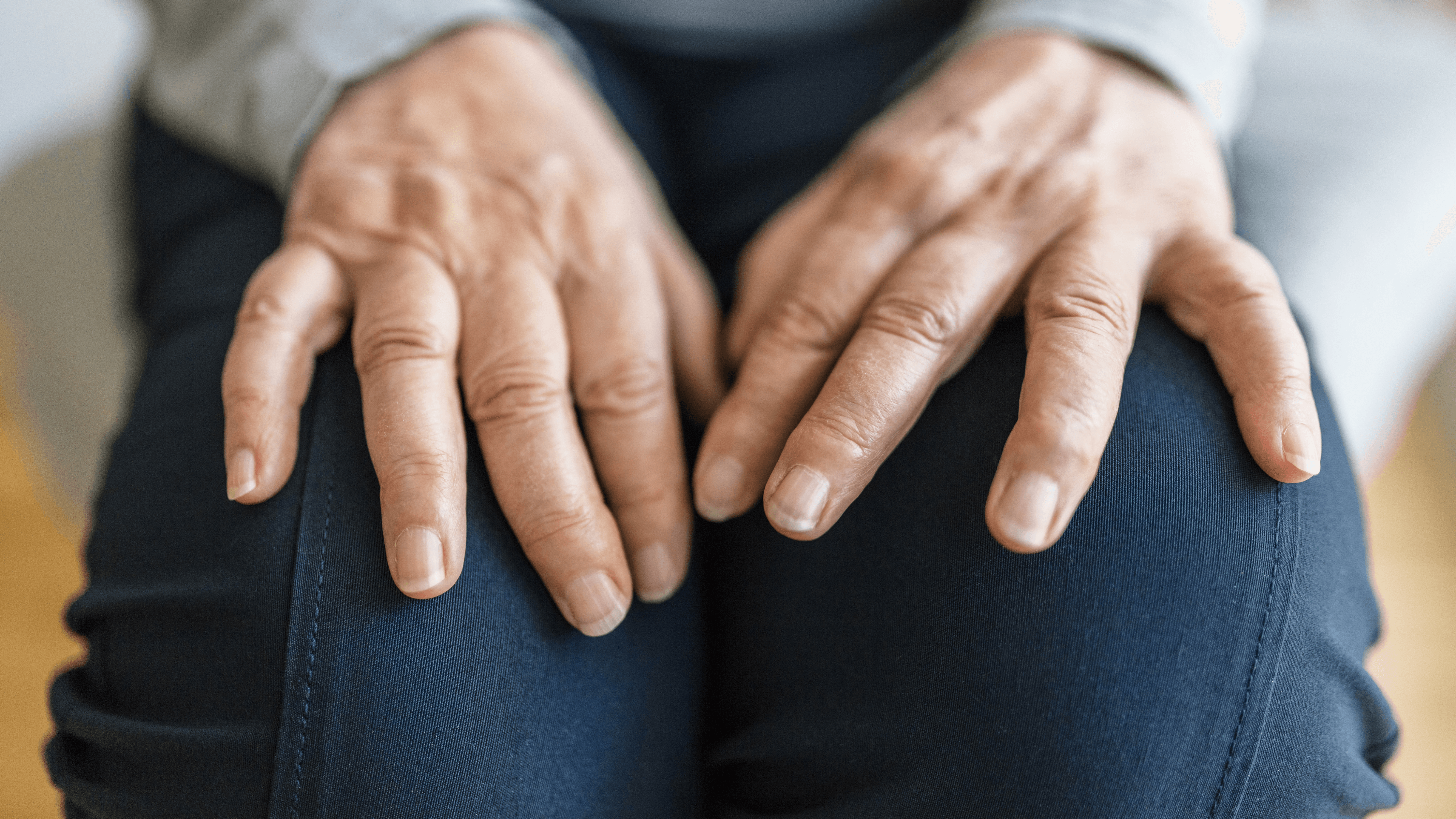
Can Compression Gloves Prevent Joint Deformities in Rheumatoid Arthritis?
Can Compression Gloves Help Prevent Joint Deformities in RA? Rheumatoid arthritis (RA) is a chronic autoimmune disease that causes joint inflammation, pain, and potential deformities over time. Many people with RA wonder if compression gloves can help prevent these changes. While compression gloves provide relief by reducing swelling, improving circulation, and easing stiffness, they do not stop or reverse joint damage. However, they can support hand function and help delay mobility loss when used alongside medications, physical therapy, and other treatments. Early intervention is key to managing RA progression. If you're considering compression gloves, they can be a helpful tool in keeping your hands more comfortable and functional in daily life.
Learn more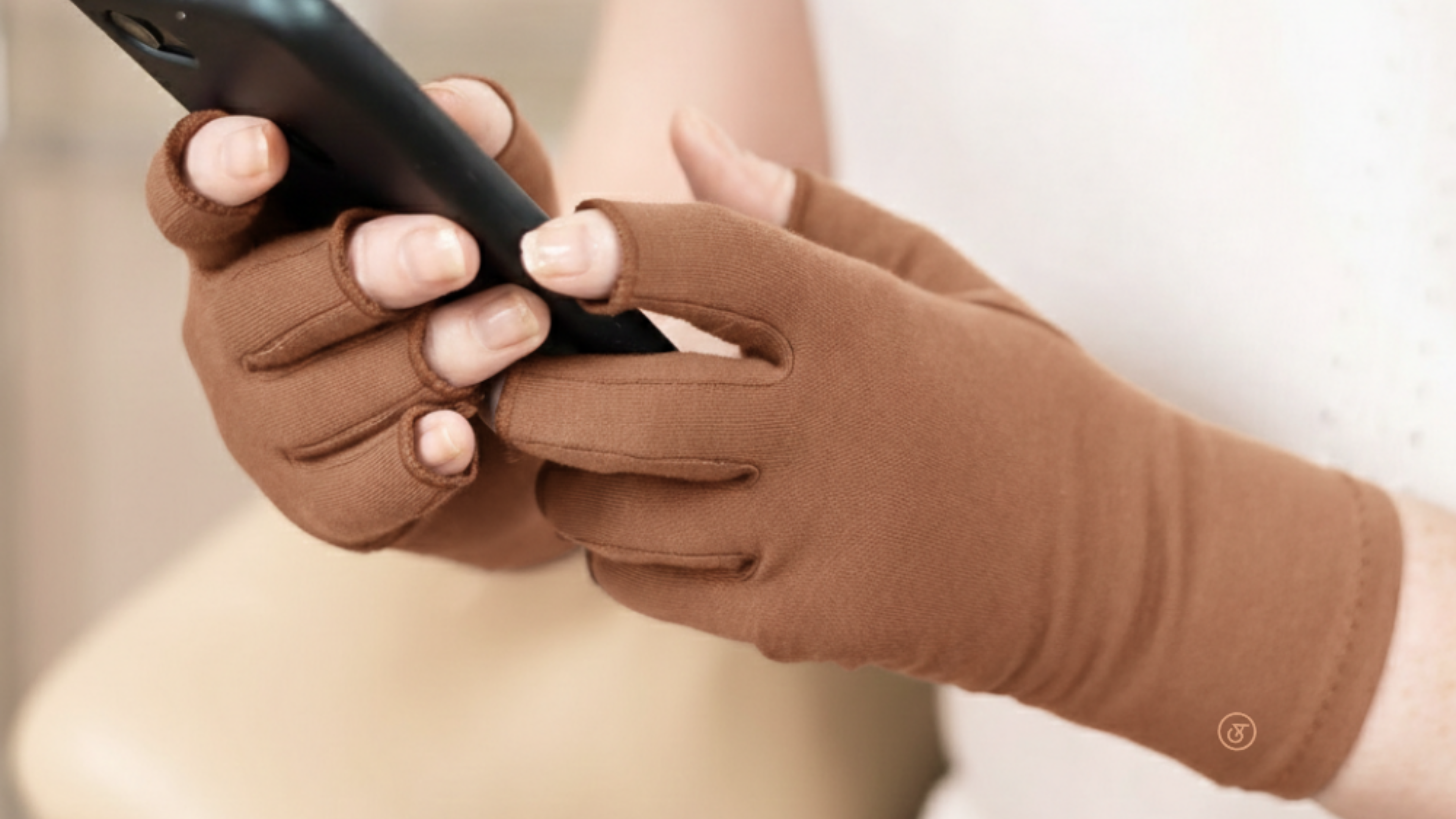
The Science Behind Compression Therapy: How it Works for Arthritis
Compression therapy. Here at Grace and Able, it’s our passion. It’s incredible how much difference a simple pair of compression gloves can make for someone living with arthritis. If you deal with any type of joint pain, you probably know a little bit about it already - but what exactly IS compression therapy and how does it affect the body? Let’s explore the science together. What Is Compression Therapy? Compression therapy is a common arthritis treatment that creates pressure by gently squeezing sore or stiff joints. If you’ve ever worn a pair of flight socks, you’ve already dipped your toe in the world of compression therapy! There are plenty of different kinds of compression garments, including garments for burn victims, varicose veins, and much more, but we’ll be focussing on therapy for arthritis and chronic joint pain. Skip straight to the science How Compression Therapy Works Compression therapy is simple to use. All you need to do is put on specially made, tight-fitting garments on the affected area, and you’re good to go. As they apply even pressure to the area, blood flow increases. Better blood flow reduces inflammation and in turn, helps with pain and swelling. It’s not all about circulation though - compression therapy can also help to stabilise and support joints, as well as pushing out any unwanted fluid and creating pain-busting heat retention. Types Of Compression Therapy For Arthritis There are so many types of compression therapy products out there, that it can feel a little overwhelming to pick out your first garment. Different types of compression therapy will work for different people, and there’s no one-size-fits-all all! You might even wear different garments for different activities or times of day. It’s important to look into a range of options so you can choose one that meets your exact needs. Compression Gloves Compression gloves are just that - gloves that offer compression specifically for your hands and fingers, and thumbs .These are great for more localised pain and fingerless options are perfect for extra support when crafting, texting, and anything that involves those tricky finger movements. Check out our range of compression gloves here. Compression Sleeves If you have wider-spread pain that reaches your elbows and/or wrists, compression sleeves are a great option. They look a little like arm warmers, only tighter and made of stretchy materials such as nylon. Popular with athletes due to their recovery-enhancing properties, you can find options with or without handpieces, depending on your needs. Compression Tape Joint support tape (also known as K-tape or Kinesiology Tape) can help manage arthritis and chronic pain by providing gentle compression and stability to affected areas. It supports joints without limiting movement, helping to reduce strain and discomfort throughout the day. Designed to improve circulation and ease stiffness, this breathable, flexible tape offers a drug-free way to stay active and comfortable. How Compression Therapy Helps With Arthritis For the 21% of US adults living from arthritis, compression therapy can work wonders as part of a multidisciplinary approach alongside medication, exercise, and occasionally surgery. Arthritis creates inflammation in your joints and, depending on the type of arthritis you have, can wear away connective tissues, create extra fluids in your joints, and even cause tiny bone or crystal growths. Compression therapy benefits include: Reduce swelling by pushing out fluids Increase circulation Reduce pain and inflammation Support weakened joints Provide stability when doing daily activities Apply gentle heat to sore joints The Science Behind Compression Therapy: How It Works For Arthritis The Science Behind Compression Therapy When we apply pressure to a part of our bodies, it increases the blood flow in the area. This might sound a bit counterintuitive - surely if we squeeze a vein, we’d be blocking the blood flow, right? Not quite - this pressure helps the blood to go back up to the heart, so it can continue pumping that fabulous, oxygen-rich blood back to the affected area which helps battle inflammation and promote healing. This extra blood flow keeps our joints nice and warm. Those chilly fingers we get during a flare-up are caused by poor circulation, which is massively improved with compression therapy. Not only that, but heat is also a great way to fight inflammation. Just like how hot water bottles help tummy cramps, the heat kept in by your compression garments helps tackle pain in your joints. It’s not just blood that gets squeezed out either. People with arthritis are prone to joint effusion, which is when too much fluid builds up around the joint and causes swelling, stiffness, pain, redness and warmth in the skin. It makes the outer layer of our joints that helps them slip around nicely, known as the synovium, mushy. This makes moving the joint trickier and can stop us from doing our usual activities. When we talk about flare-ups, we’re usually talking about joint effusion. With compression garments, this fluid gets squeezed out and evenly distributed, preventing it from collecting in one area and keeping swelling at bay. This can help prevent flare-ups before they hit, or soothe them when they do. As well as all this squeezing, compression garments help stabilise and support our joints. When our joints are swollen and sore, we’re not moving them as much. On top of this, certain types of arthritis eat away at your cartilage, which means your tendons and ligaments have to work extra hard to keep you moving. When it’s all mixed together, this can cause our muscles to waste away, making our joints weaker and affecting our strength. Compression garments keep our joints stable and avoid any uncomfortable movements as we use them. They enhance something called proprioceptive feedback, which is a sensory feedback into our nervous system that makes us more aware of the way our joints sit and move, helping keep them stable and nicely coordinated. Lastly, compression can confuse our pain signals. You know when you get a headache and rub your temples to feel better? Compression therapy works just like that - by creating competing sensory input, our brains get all mixed up and confuse the pain signals, which lessens them and therefore, lessens the pain from arthritis. Why Compression Gloves Work For Rheumatoid Arthritis There are more than 100 types of arthritis, with the two most common being osteoarthritis and rheumatoid arthritis. Rheumatoid arthritis is an auto-immune condition, where our immune system attacks healthy tissues by mistake. For those with RA, the body goes for the cells that line the joints, going on to damage joints, nearby bones, and cartilage as they release harmful chemicals. When your joints become inflamed, you’ll experience pain, swelling, stiffness, and hot, tender skin. The hands and fingers are usually the first to be affected, so compression gloves are incredibly helpful in managing your condition. The American College of Rheumatology recommends compression therapy for people with rheumatoid arthritis as part of their wider treatment plan. They’ll help with swelling and pain whilst supporting you to use your hands and fingers and maintain your independence, meaning you can still do things like dressing yourself and taking part in your favourite hobbies. Is Compression Therapy Just For Arthritis? Nope! Compression therapy is awesome for plenty of conditions that affect your joints. People with repetitive strain injuries (RSIs) like carpal tunnel and trigger finger, connective tissue disorders such as EDS, and other chronic joint pain conditions can all benefit from the stability and pain relief that hand compression gloves have to offer. Even those without any conditions who require extra joint support such as weightlifters and golfers use compression garments to aid recovery and prevent injuries. Compression Therapy For Menopause Did you know women are more prone to joint pain than men? This is due in part to estrogen, the female sex hormone. When we go through the menopause, our estrogen levels take a huge dip, which decreases the amount of healthy cartilage and joint lubrication, making our joints stiff and uncomfortable. Compression garments can help menopausal women by: Supporting joints Reducing inflammation Soothing sore joints Allowing for more controlled mobility Preventing swelling Are There Any Risks Or Side Effects To Compression Therapy? Compression therapy is generally pretty safe, but nothing is ever 100% risk-free. Side effects can include skin irritation, discomfort, bacterial or fungal infections, and, very rarely, nerve or soft tissue damage. It is important to care for your compression garments, by washing them regularly and allowing them to completely air dry. If you experience any issues after using compression garments, contact your doctor straight away and stop using them until advised otherwise. Faqs For Compression Therapy Q: What does compression therapy do? A: Compression therapy gently squeezes the affected area, helping reduce pain and inflammation. Q: Where can I find compression garments? A: You can find compression garments in many drugstores, pharmacies, and online retailers. At Grace And Able, we sell a range of super-soft compression gloves, braces, and care kits, designed to be comfy and cute at the same time! Q: What are compression garments made of? A: Compression garments can be made of all sorts of things. Stretchy materials like Lycra and Nylon are very popular, but they vary between brands and styles. Grace & Able uses cotton, polyester, and spandex in our gloves, and for extra comfort we offer the Comfy Cotton Compression gloves which use 88% cotton, to create a super-soft feeling and maximum comfort. Q: Can I wear compression garments to sleep? A: Absolutely, you can wear them when you sleep. We recommend starting out wearing them in the day to check for any side effects, but you can easily wear them to bed to ward off the dreaded nighttime pains if you like! Q: Can I still knit in my compression gloves? A: Of course you can! Compression gloves make fiddly tasks like knitting, crocheting, texting, and typing much easier, meaning you can carry on your favourite hobbies even during a flare-up. Q: Where can I find cute compression garments? A: We’ll admit, some of the compression garments on the market aren’t giving much in the way of aesthetics. Luckily, we stock pretty compression gloves and brace covers designed for compliments - you can even get multiple pairs to match your outfits! Shop Arthritis Compression Gloves & Wrist Braces If you’re looking to start your compression therapy journey, why not try our range of braces and compression gloves? Designed for comfort and compliments, they’re the perfect way to soothe pain and inflammation whilst still looking fantastic. Find your fit here.
Learn more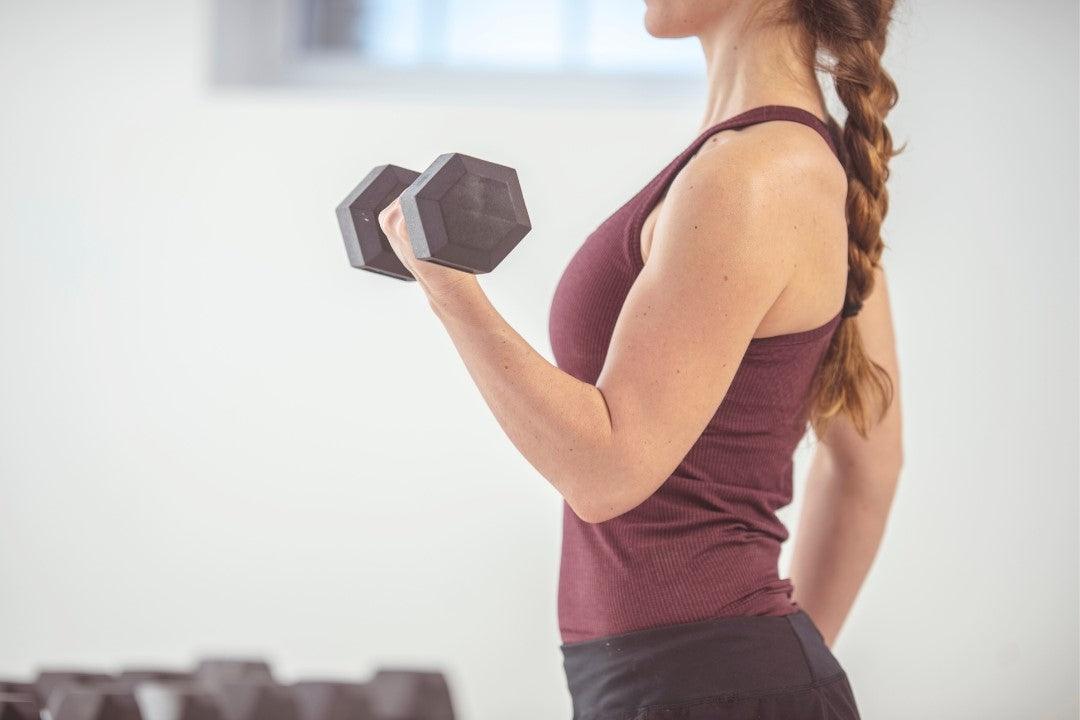
The Power of Weight Lifting: Boosting Bone and Joint Health for Mid-Life and Senior Women
As we age, the good health of bones and joints becomes a growing priority. For most women, in midlife and beyond, conditions like osteoporosis and osteoarthritis are grim realities. Osteoporosis is a bone disorder associated with reduced bone strength. A person with osteoporosis has an increased risk of breaking or fracturing a bone easily. On the other hand, osteoarthritis is a joint disease affecting pressure-carrying points such as spine, hips, and knees. A person with osteoarthritis experiences pain, stiffness and limited mobility. Both of these conditions undeniably affect one’s quality of living. On a brighter note, weight lifting and strength training can significantly help manage these conditions. In What Ways Does Weight Lifting Help Manage Osteoporosis and Osteoarthritis? Weight lifting, a form of physical training which uses heavy objects like dumbbells. When performed regularly with proper intensity, it can be helpful in managing osteoarthritis and osteoporosis:Bone Strength: Weight lifting not only strengthens muscles but bones, too. For women at risk of osteoporosis, additional resistance training to your workout routine can strengthen bones which minimizes the risk of fractures. Relieve Pain and Stiffness: Studies show that strengthening the muscles around the joints enhances joint alignments, thus lessening the pain. One can get rid of pain and stiffness caused by OA through targeted strengthening. Weight Management: A healthy weight is crucial in managing osteoarthritis and osteoporosis. Excess weight can put more pressure on the compromised joints and bones. Weight lifting increases muscle mass and metabolic rate which can result in healthier body weight. What are Some Other Benefits of Strength Training? Strength training does not only help manage osteoarthritis and osteoporosis. It has also several benefits for women in mid-life and beyond: Lessens Joint Injuries: Strong muscles mean more protection to your joints which prevents joint injuries and improves its overall stability. Reduces Inflammation: Regular strength training reduces overall inflammation in the body easing joint pains and stiffness. Decreases Morning Stiffness: Strength exercises help most people manage morning stiffness and get going for the day with less pain and more mobility. Reduces Disease Activity: For people suffering from chronic diseases, regular strength training may be beneficial in reducing disease activity and improving the overall quality of life. How Should You Get Started with Weight Lifting? If you’re new to weightlifting, you should learn to take it slow and easy. You can consult a fitness expert who can help tailor a routine that suits your needs. It is best that you perform low-impact workouts that won’t cause any stress in your joints and bones. It is not really necessary to spend long hours in the gym to incorporate weight lifting into your routine. Minimal but consistent exercises will make a huge difference. The main goal is to enhance strength, balance, and flexibility for overall health. Conclusion Most people may not know but weightlifting is vital for women navigating osteoporosis and osteoarthritis. This type of physical activity boosts muscle strength and joint support. When done regularly, it could make a lasting impact on one's quality of life. Women who maximize the power of weight lifting could undeniably have healthier bone and joint health.
Learn more
Understanding Inflammation, Joint Pain, and Menopause: A Comprehensive Guide
Menopause is a significant life transition for many women, often accompanied by a range of symptoms that can impact daily life. Among these, inflammation and joint pain are two common issues that can become more pronounced during this stage. Learn how to manage joint pain and inflammation during menopause in this article.
Learn more
Arthritis Awareness Matters - Here’s Why… I Grace & Able
Arthritis is the leading cause of disability in the US, and May marks Arthritis Awareness Month, an annual campaign dedicated to shining a light on arthritis, a group of over 100 conditions, linked by the common symptom of swollen painful joints.Here are 4 reasons why we work to raise awareness around arthritis:
Learn more
Ask Hand Therapist Trevor: Why do my hands swell when I walk? I Grace & Able
Marie asks: "I'm a big hiker, I love being outdoors in nature, especially with my dog - but I have noticed recently that my hands swell whenever I go for a walk. Why is this, and is it something to worry about?" Read on for Hand Therapist Trevor's answer.
Learn more
5 Questions to Ask Your Rheumatologist at Your Next Arthritis Appointment I Grace & Able
Your rheumatologist is a key ally in navigating your arthritis journey, offering specialized medical insights for your particular condition. Knowing the right questions to ask during appointments empowers you to take an active role in your healthcare and ensures that your treatment plan aligns seamlessly with your lifestyle and health objectives.
Learn more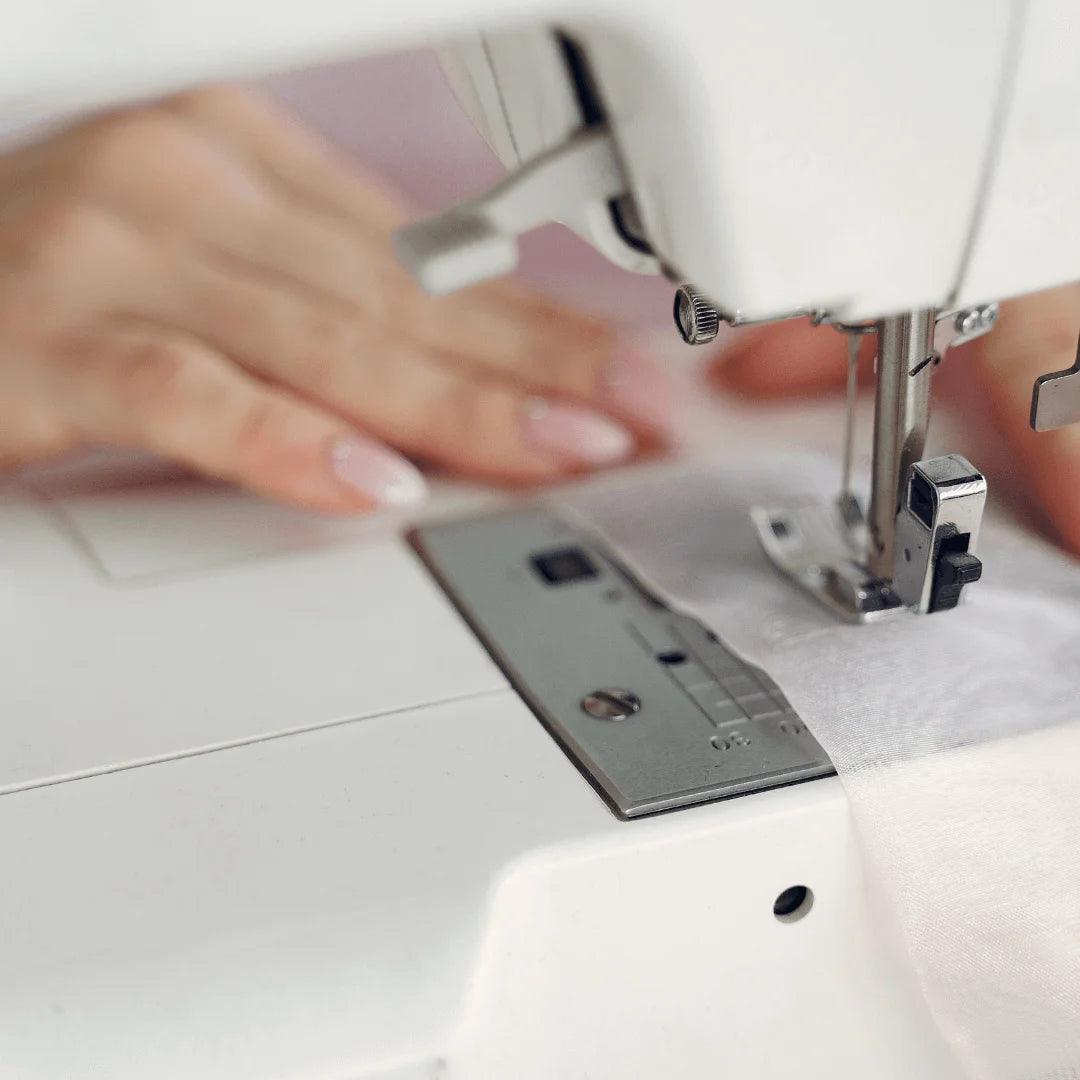
Ask A Hand Therapist: Do Compression Gloves Help Numb Fingers? I Grace & Able
Mason asks: "My mom's been a seamstress for decades and has numbness in her fingers. Can compression gloves will help her?" Hand Therapist Trevor says: "Numbness can be caused by various factors, such as poor circulation or nerve damage. Grace & Able Compression Gloves are designed to provide gentle pressure, to stimulate blood flow to the fingers and provide them with essential nutrients and oxygen. This can relieve numbness and tingling. Unfortunately though, if the numbness is caused by permanent nerve damage, then the gloves won't be able to help."
Learn more