










A beautiful garden starts with consistent care. So does the body that tends it.
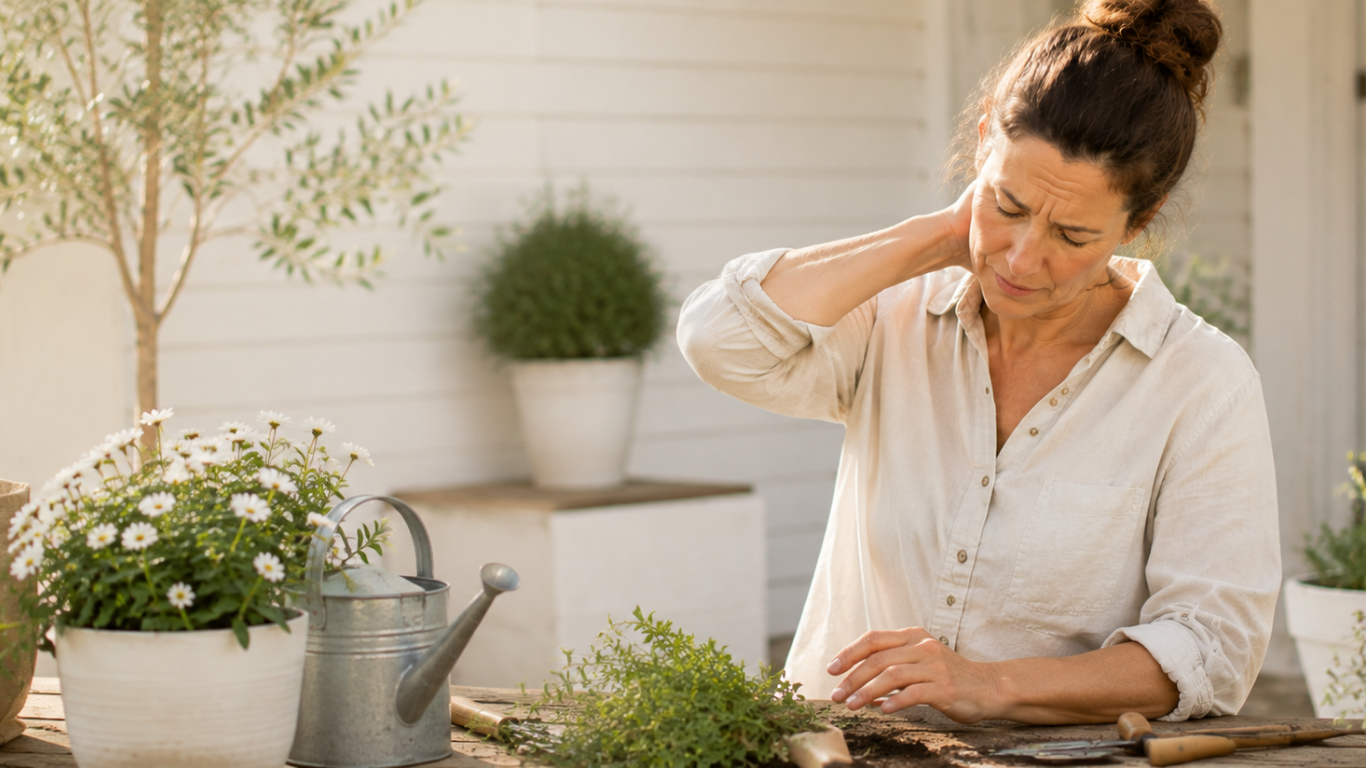
Whether you're planting, pruning, weeding, or carrying supplies, gardening places repeated demands on your hands and neck. Over time, these everyday movements can lead to tiredness, stiffness, and discomfort, making even your favorite hobby feel more challenging.
The good news? Many of the gardening tasks that put the most strain on your hands and neck can be made more comfortable with a few simple adjustments. Below, we'll explore five common tasks that can take a toll, along with practical tips to help you garden with greater comfort and ease.
1. Pruning and Cutting: Repetitive Gripping Can Add Up
From trimming branches to cutting flowers, pruning often requires repeatedly squeezing gardening tools. Over time, this constant gripping motion can contribute to hand fatigue, especially if you're working for long periods.
Try this:
- Choose tools with comfortable, ergonomic handles when possible.
- Avoid gripping tools more tightly than necessary.
- Take short breaks to relax and stretch your hands between tasks.
2. Weeding: Small Movements, Big Repetition
Pulling weeds may seem like a simple task, but it often involves repeated pinching, pulling, and bending motions. Spending a long time in the same position can also contribute to stiffness in your hands, wrists, and neck.
Try this:
- Change positions regularly instead of staying in one posture for too long.
- Use a kneeling pad or garden stool to reduce strain from bending.
- Alternate tasks to avoid repeating the same movement for extended periods.
3. Planting and Digging: Supporting Your Hands Through Resistance
Planting flowers, moving soil, and digging holes all require hand strength and repeated use of gardening tools. These activities can place extra demand on your grip and wrists.
Try this:
- Use tools that fit comfortably in your hand.
- Keep your wrists in a more neutral position when using tools.
- Take breaks between heavier tasks to give your hands time to recover.
4. Carrying Pots, Soil, and Watering Cans: Don't Forget Your Neck and Upper Body
Gardening often involves lifting and carrying supplies, from bags of soil to plant containers and watering cans. These tasks require coordination from your hands, arms, shoulders, and neck.
Try this:
- Carry smaller loads instead of lifting everything at once.
- Keep items close to your body when carrying them.
- Ask for help with heavier items when needed.
5. Looking Down for Long Periods: The Overlooked Gardening Habit
Many gardening activities involve spending extended periods looking downward while planting, weeding, or tending to smaller plants. Holding your head in one position for too long can contribute to neck tension and fatigue.
Try this:
- Change your position frequently.
- Take moments to look up, stretch, and reset your posture.
- Avoid staying in one position for hours without a break.
Simple Gardening Habits That Support Your Body
Small changes can help you enjoy gardening more comfortably:
1. Protect your grip
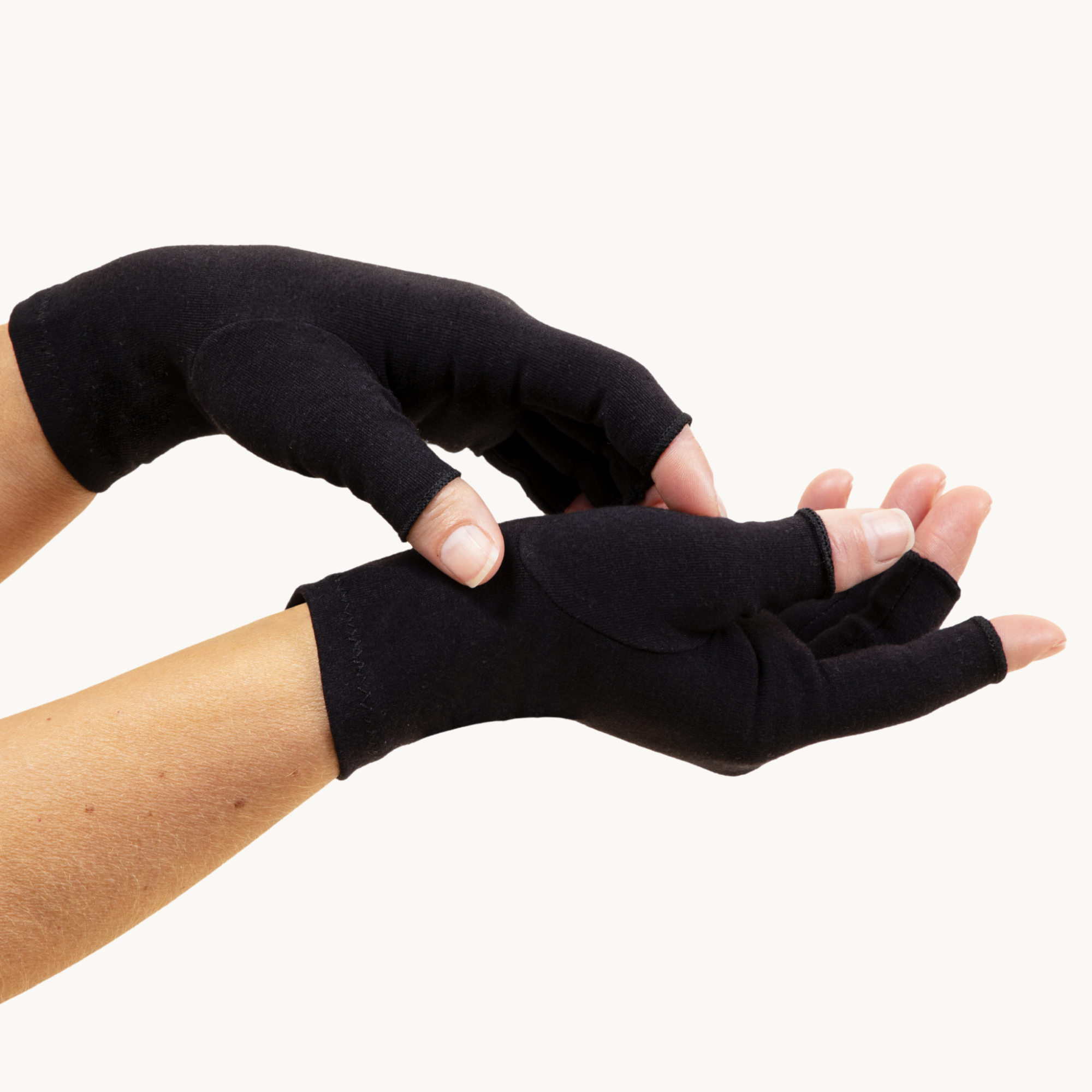
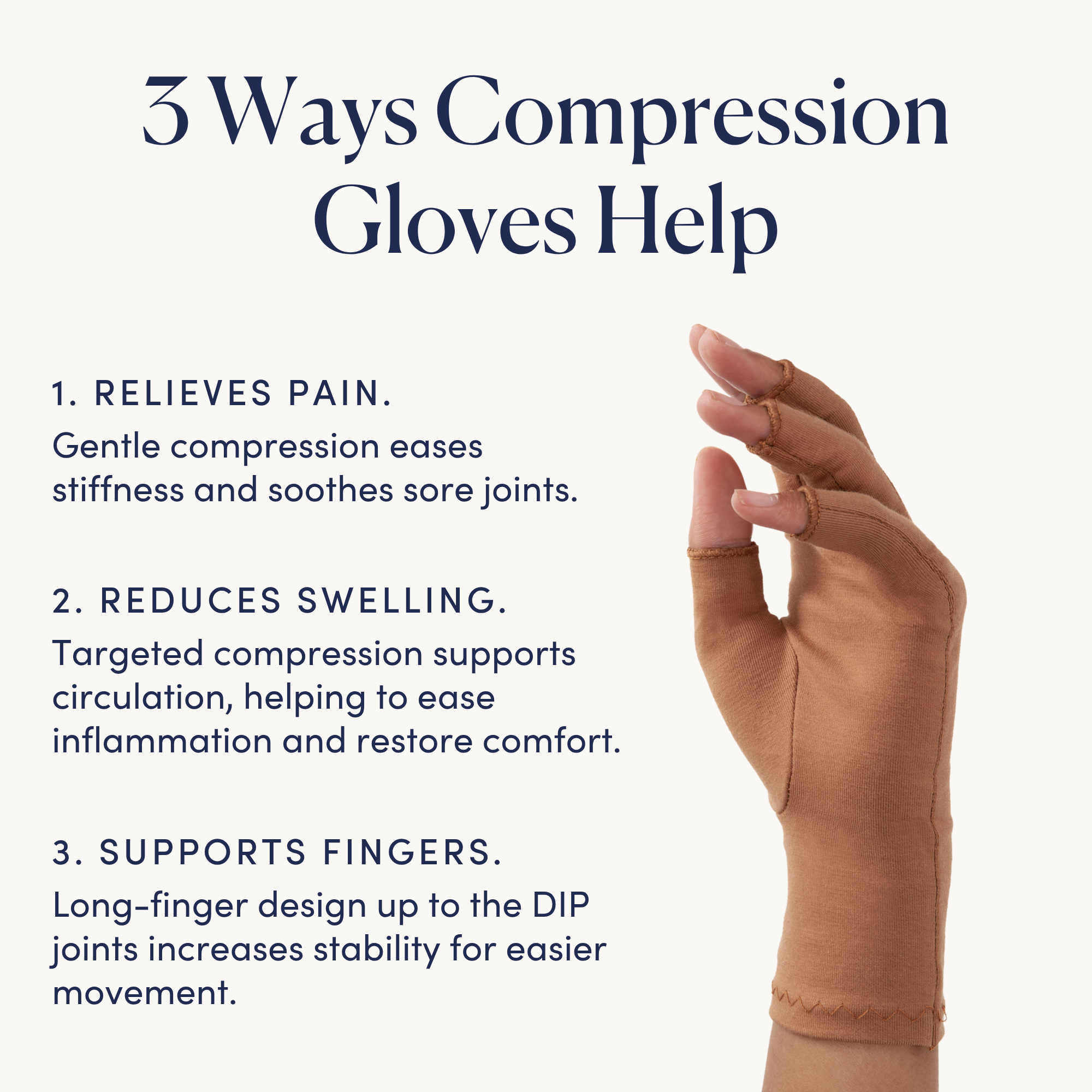
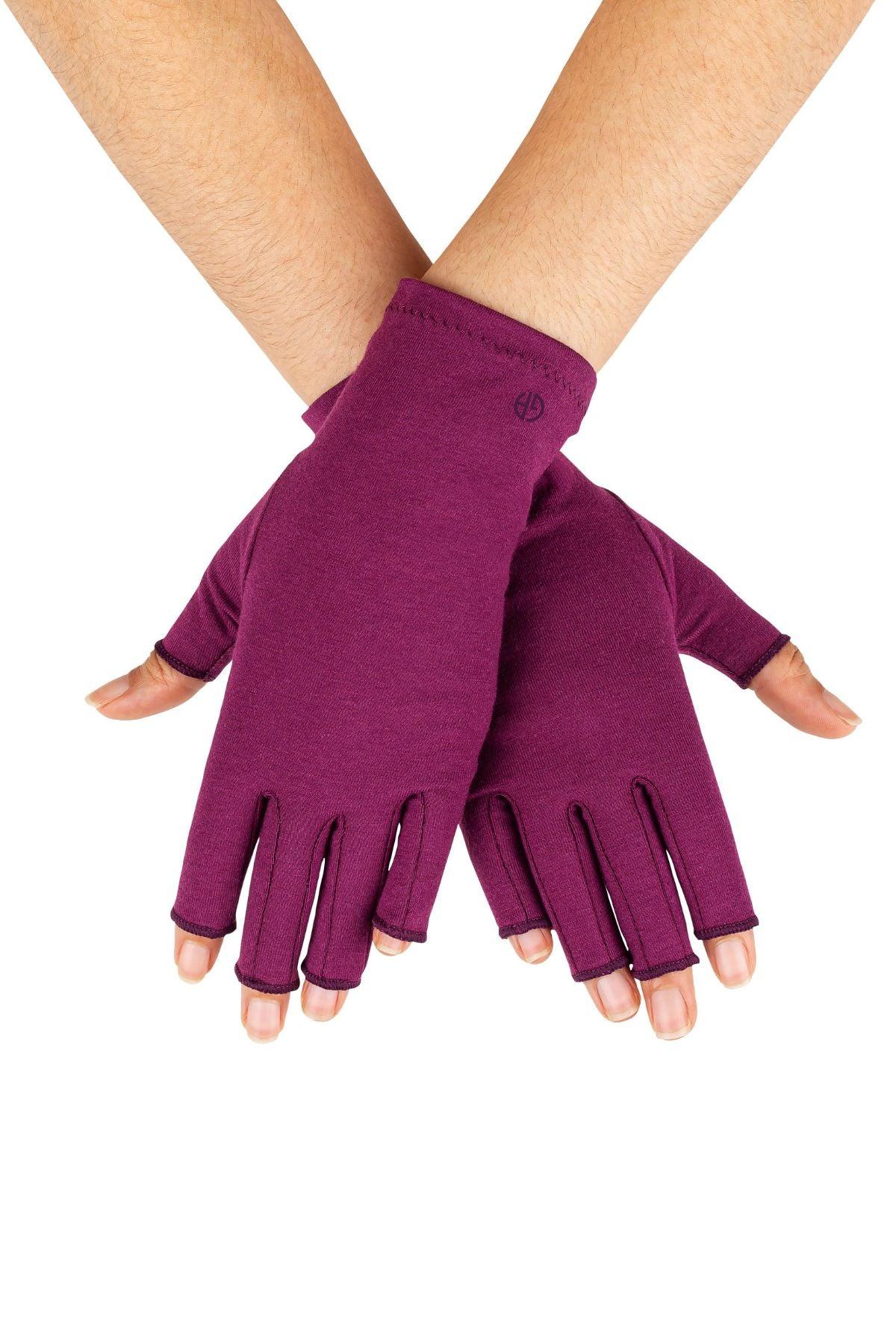
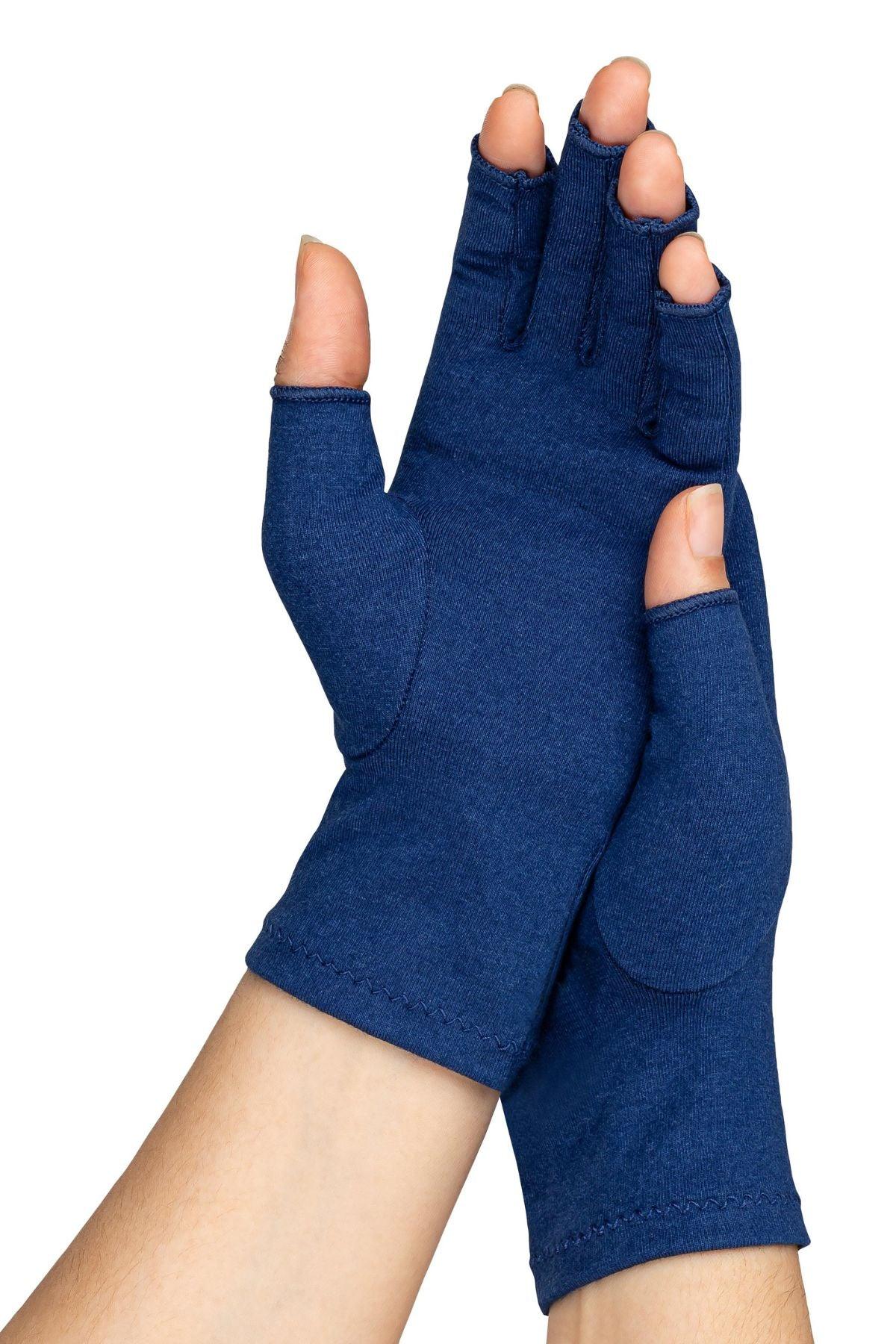
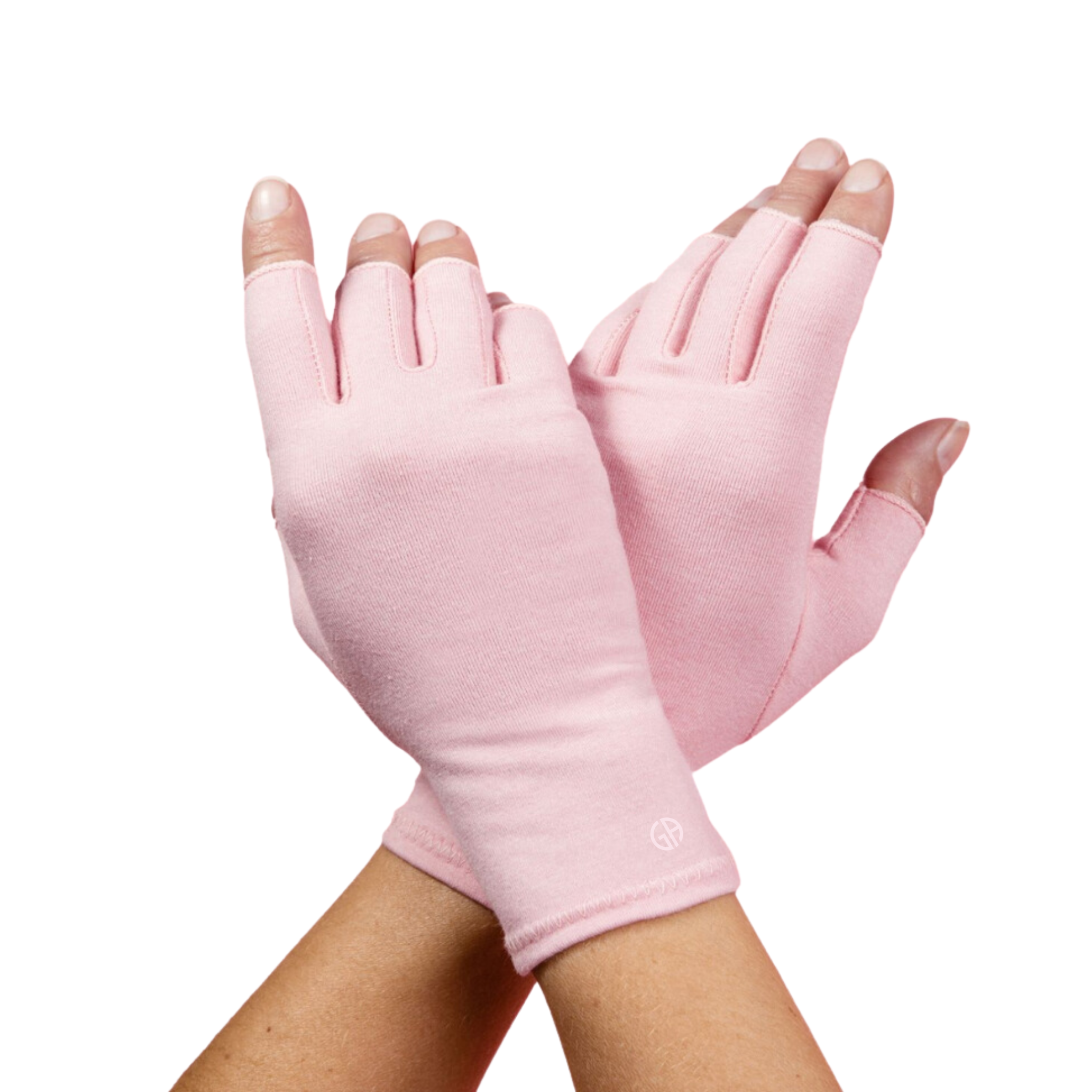
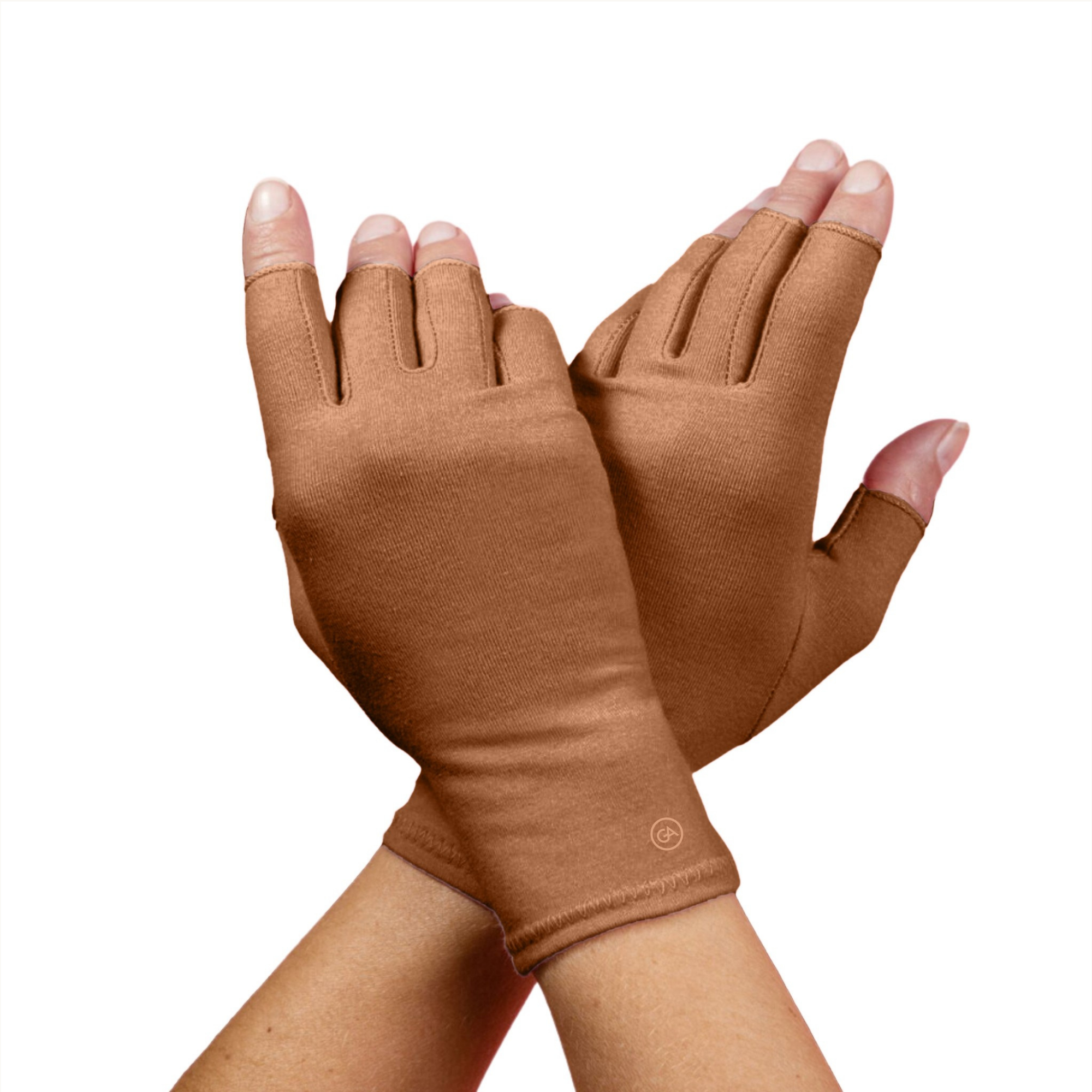
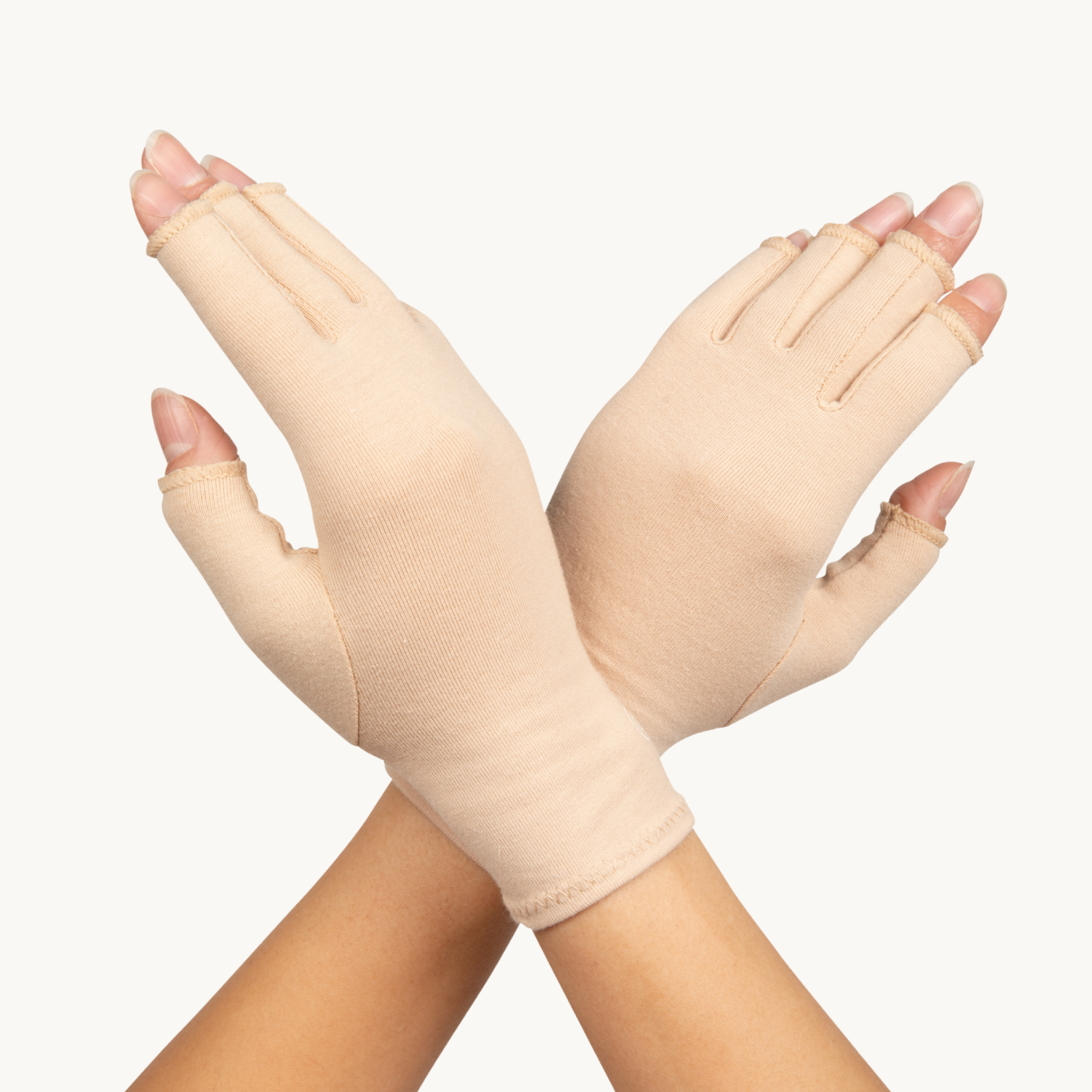
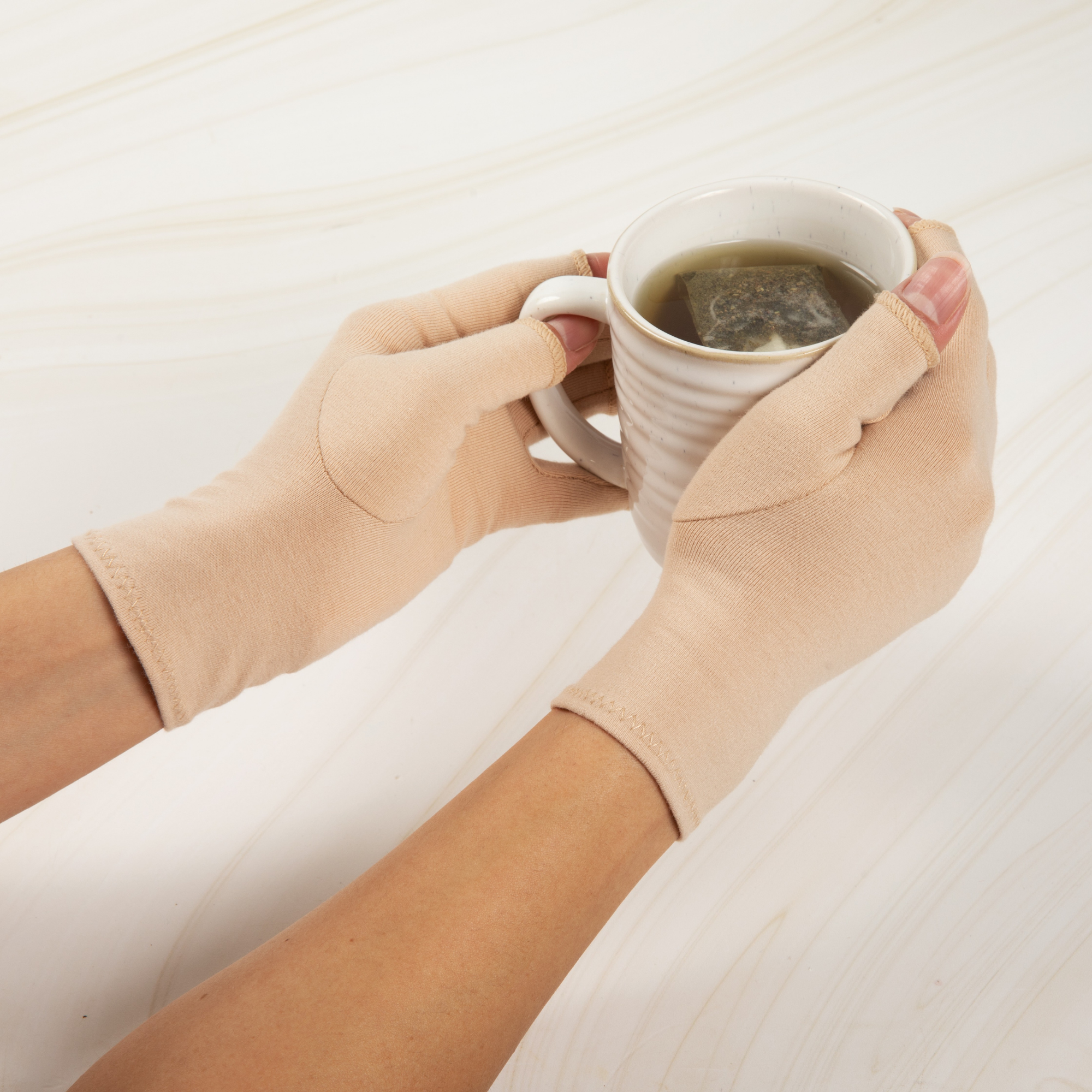
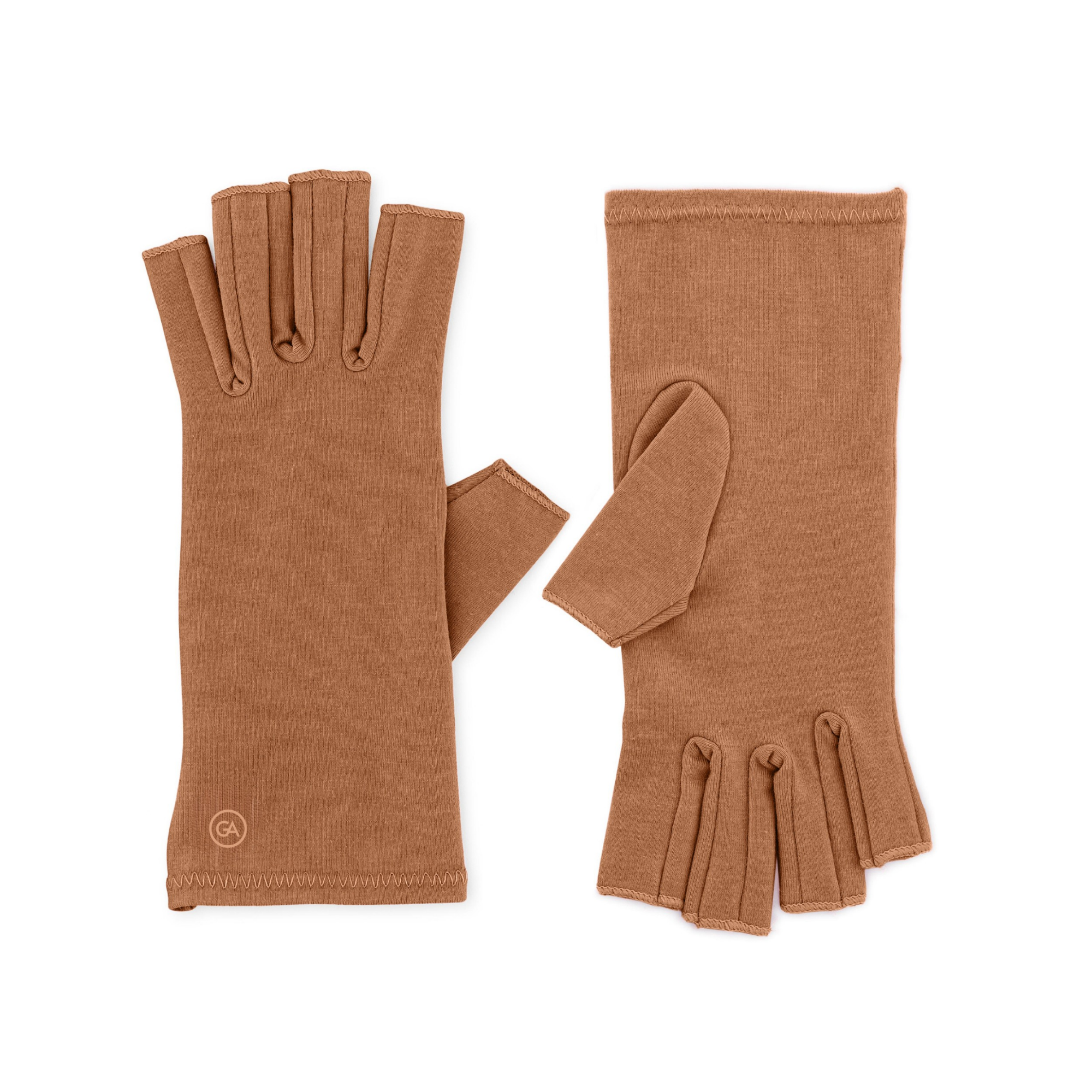
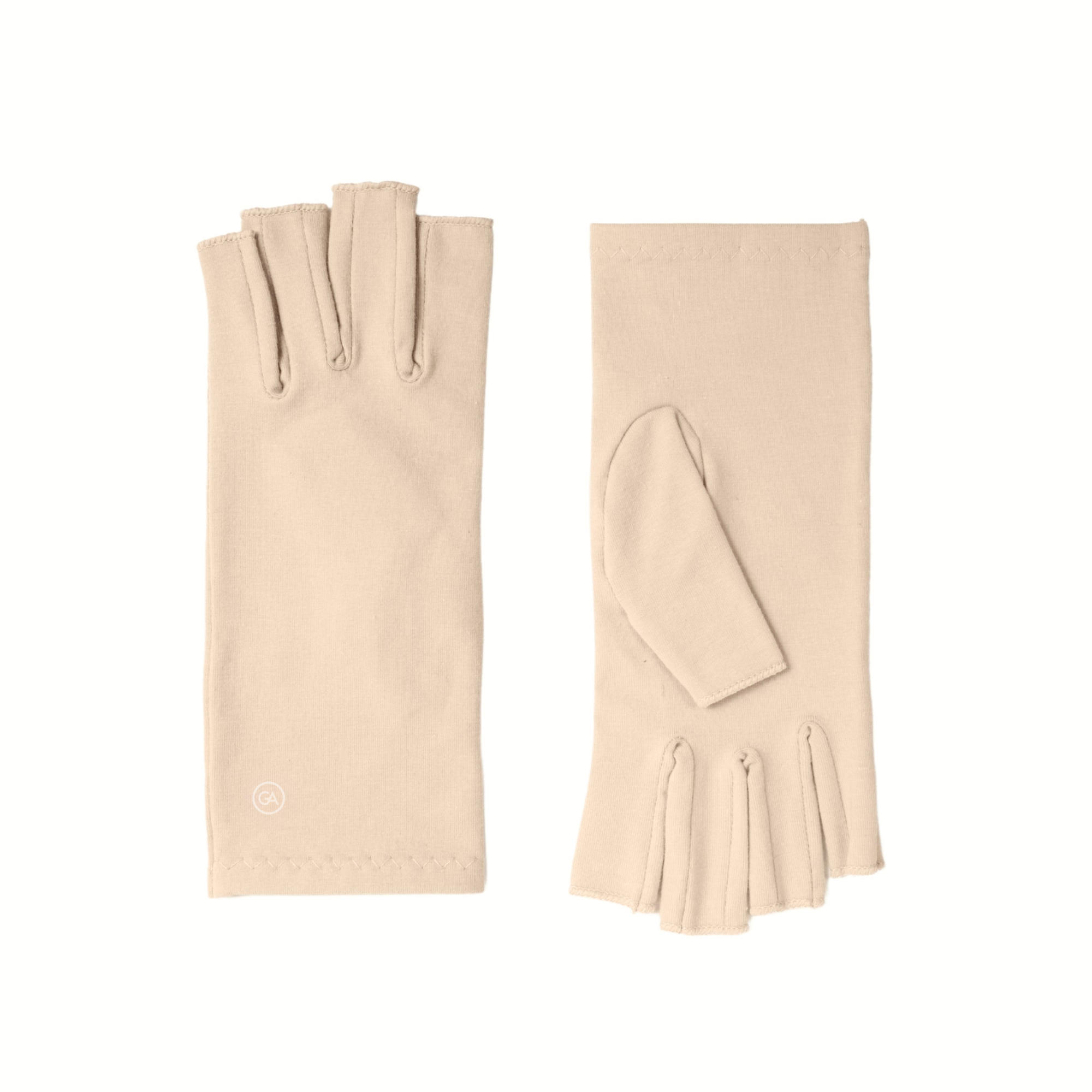
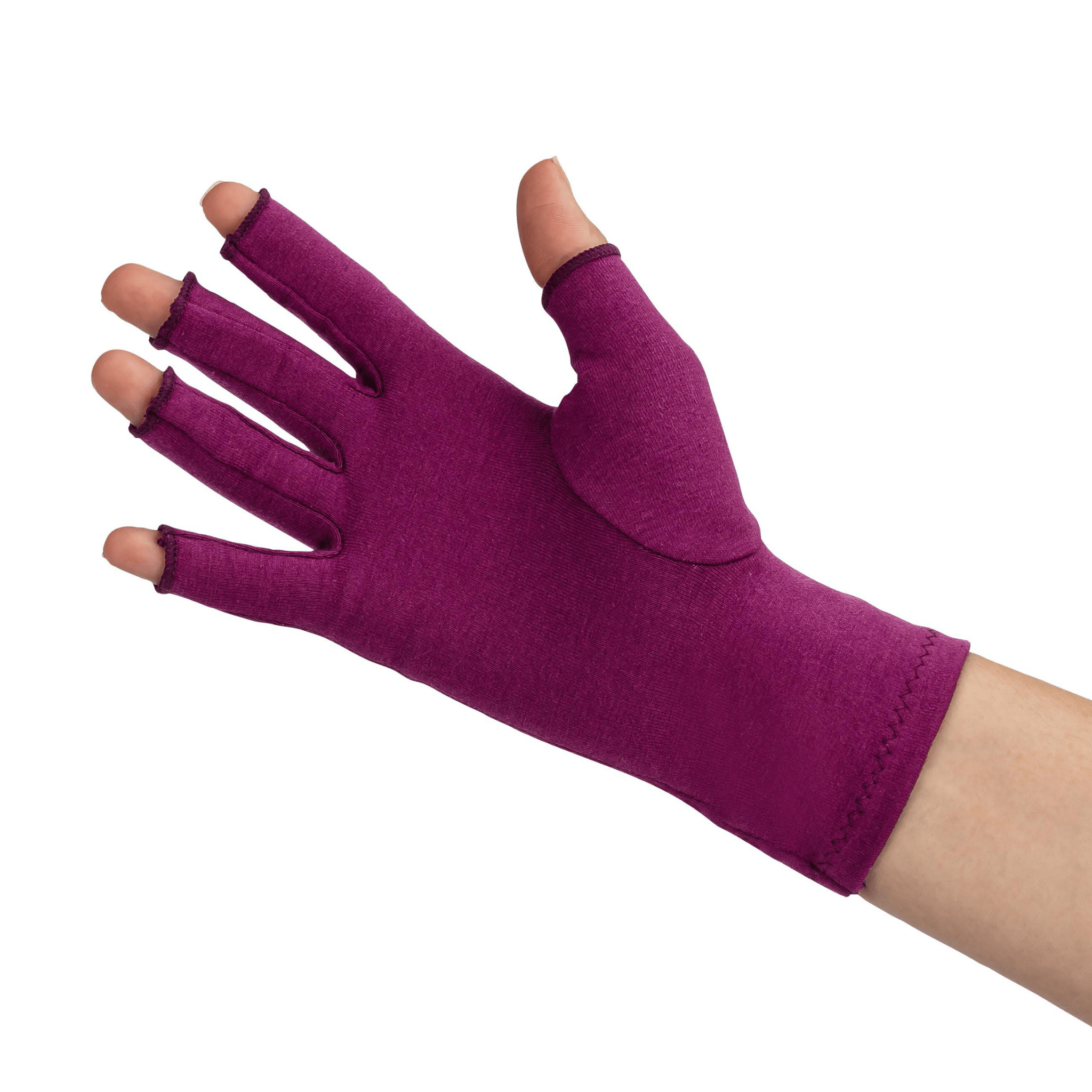
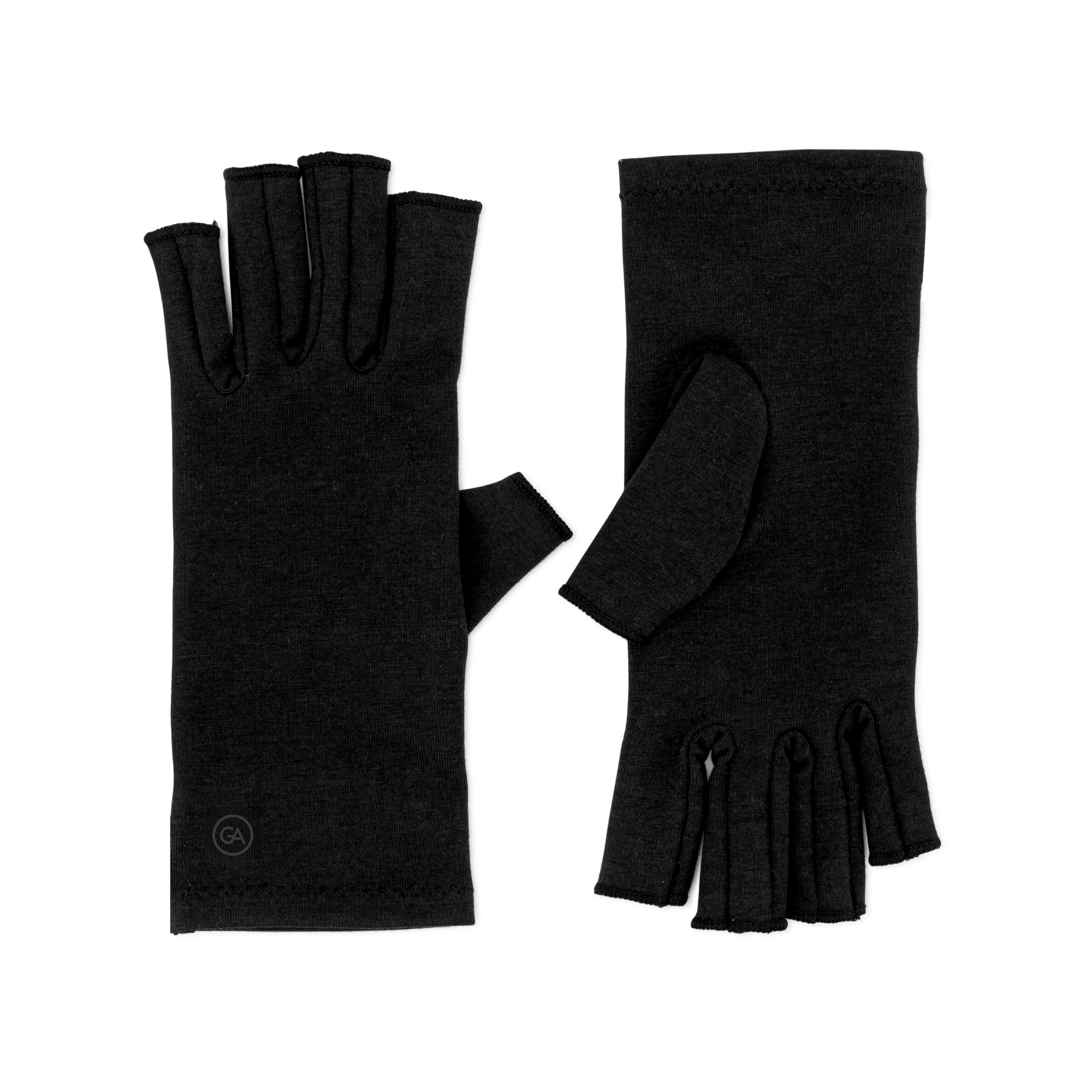
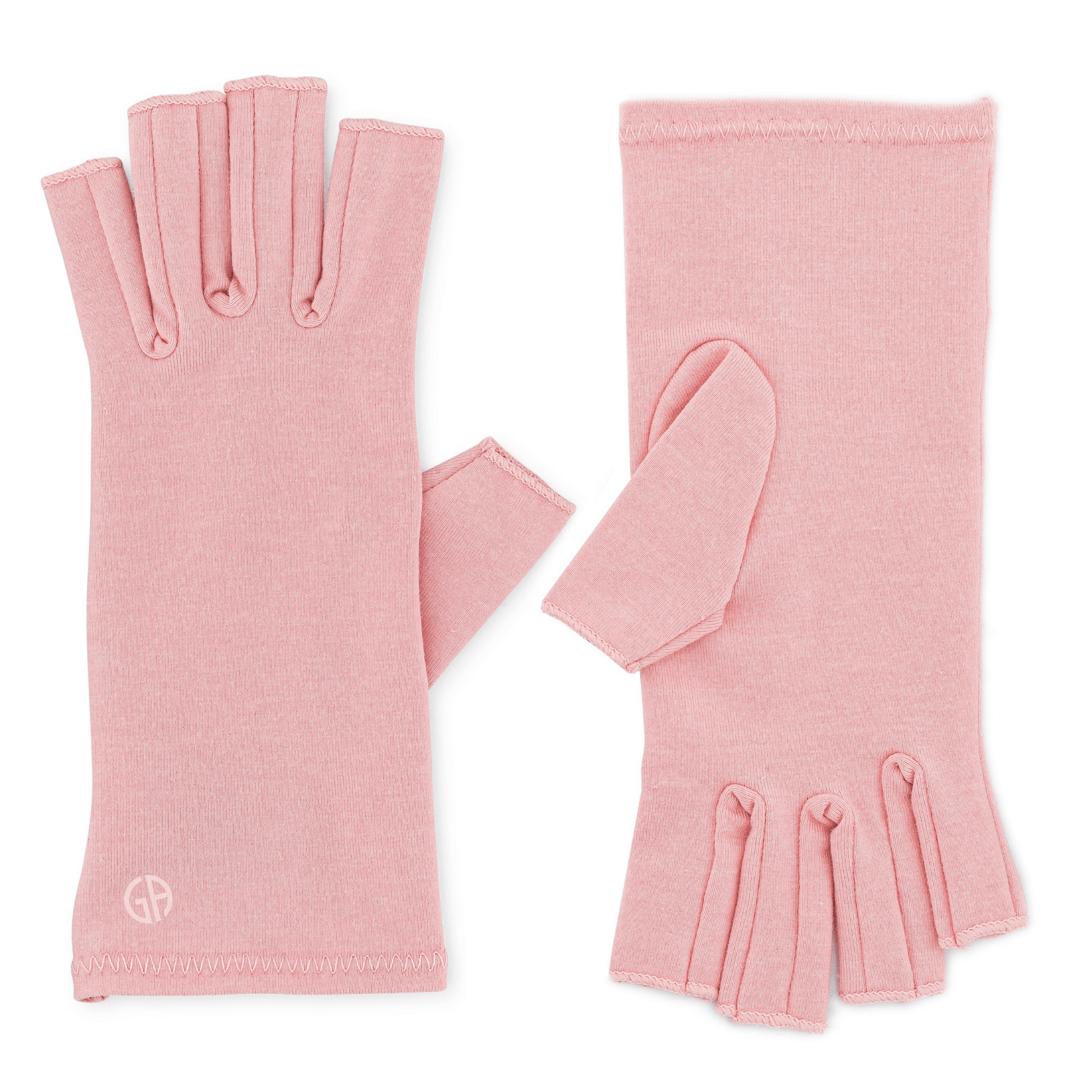
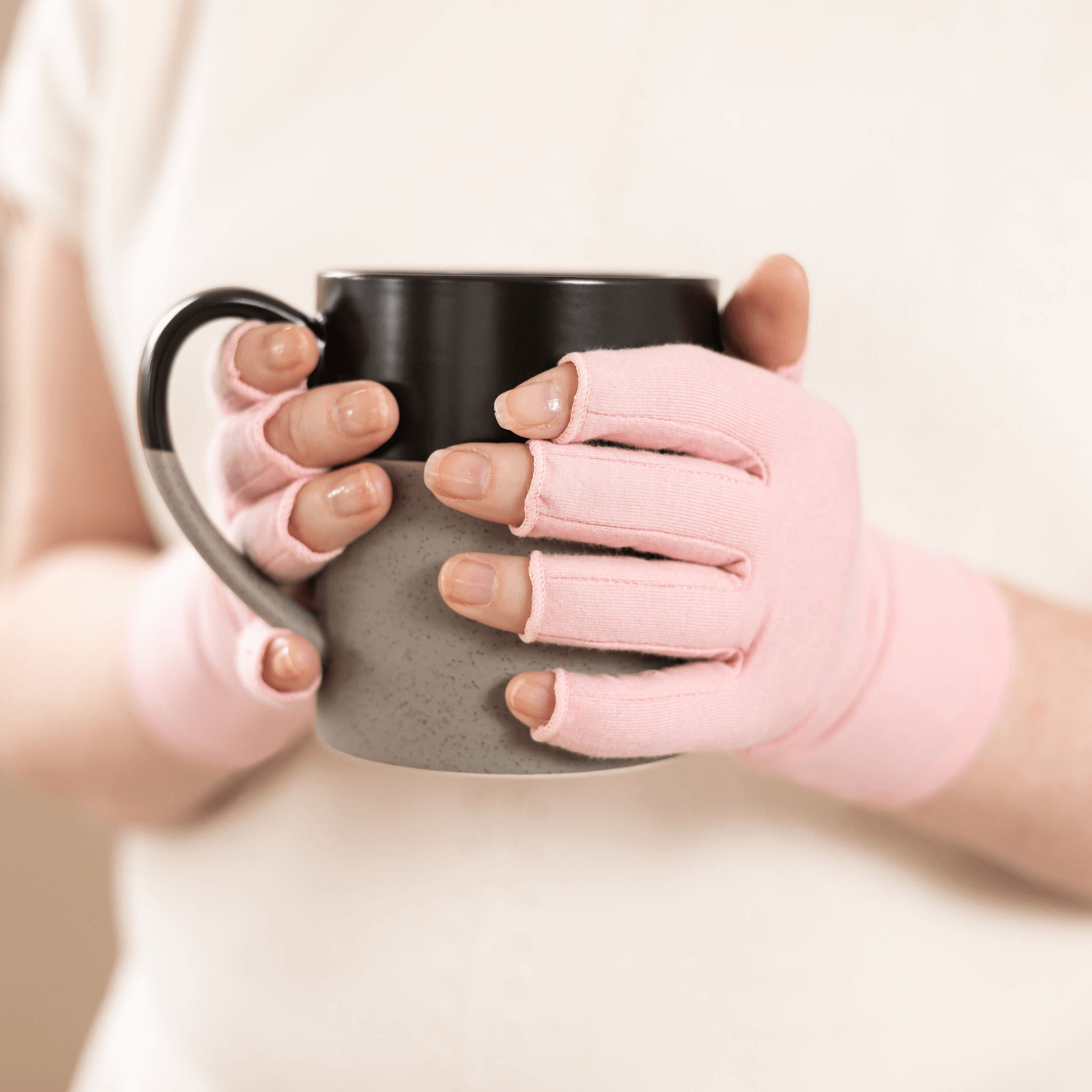
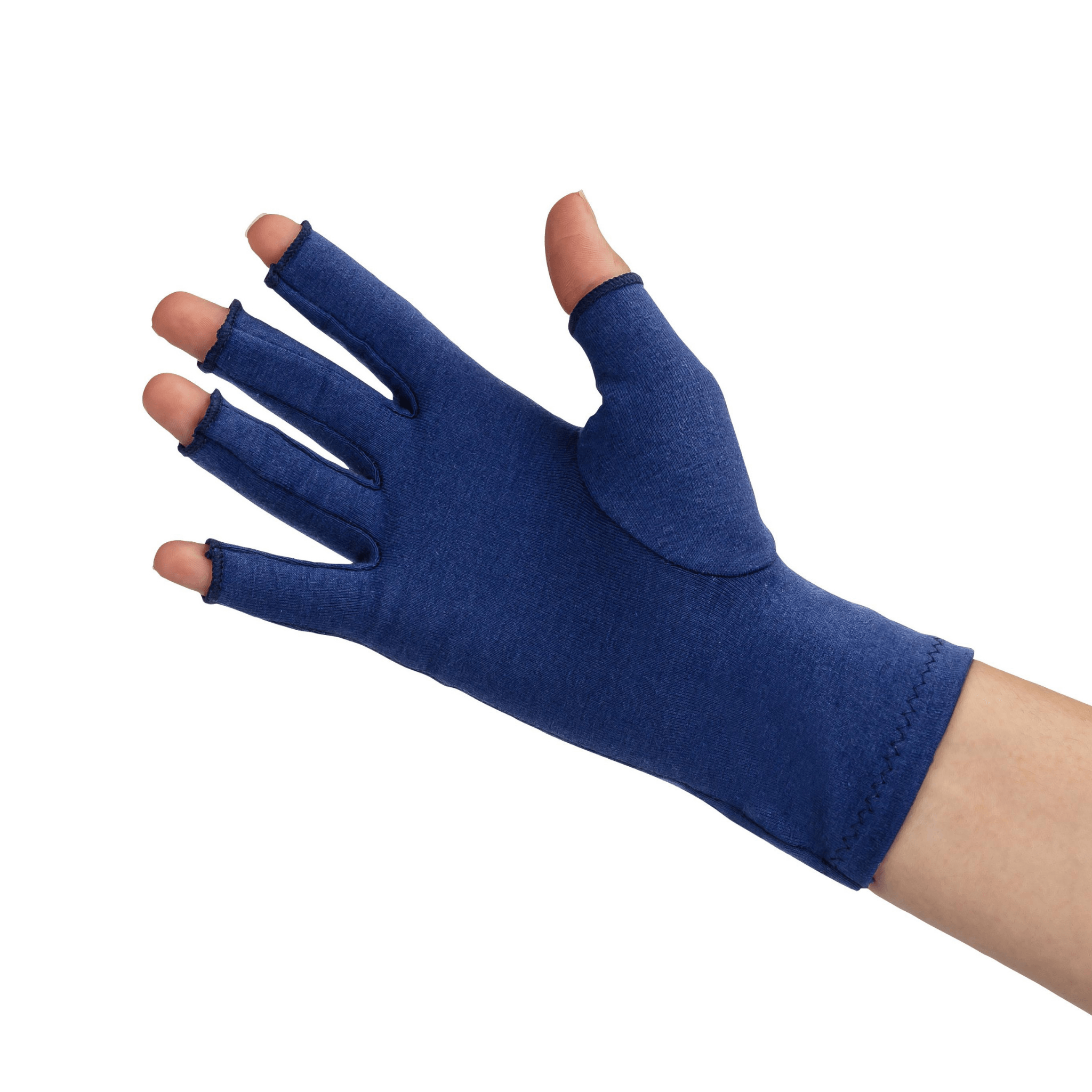
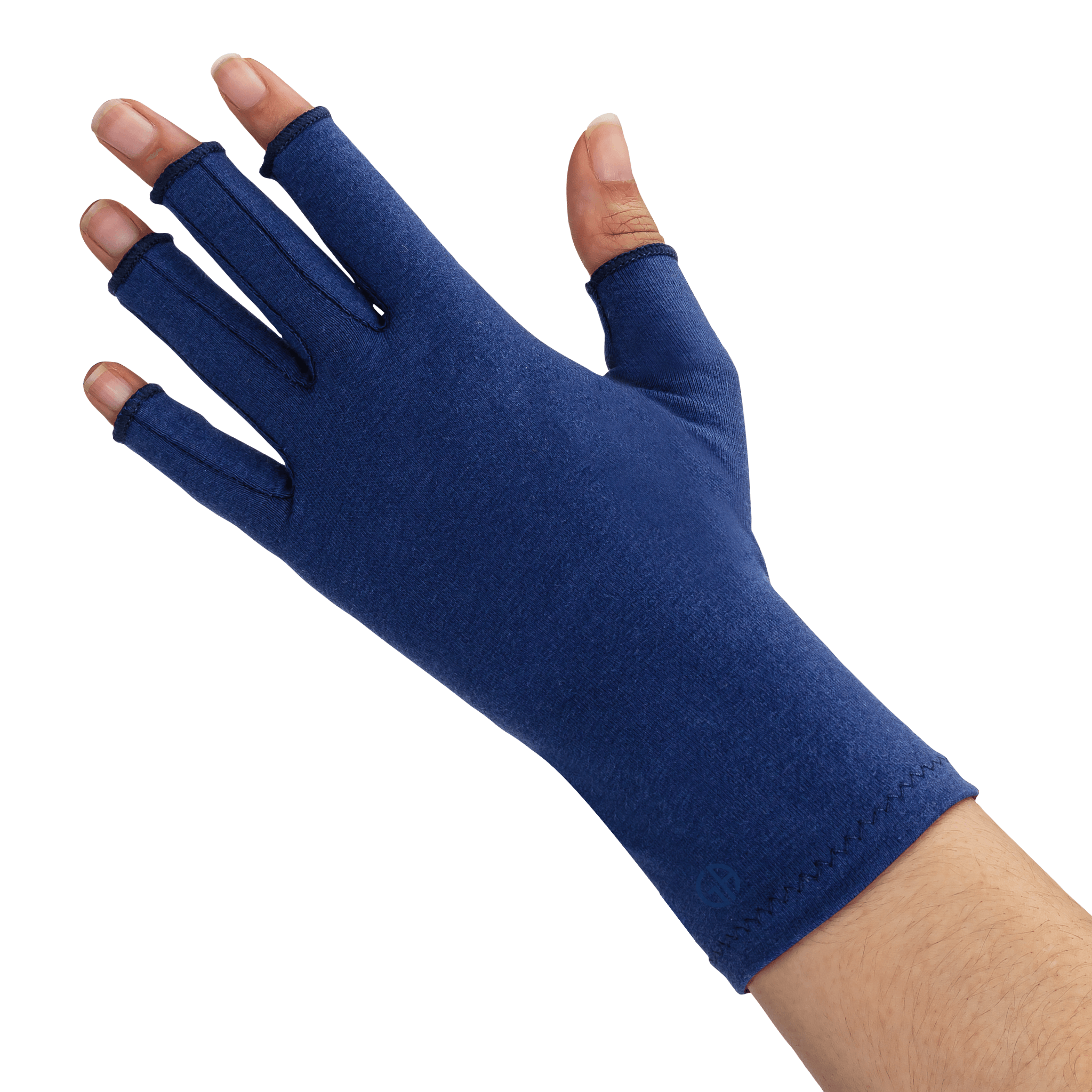
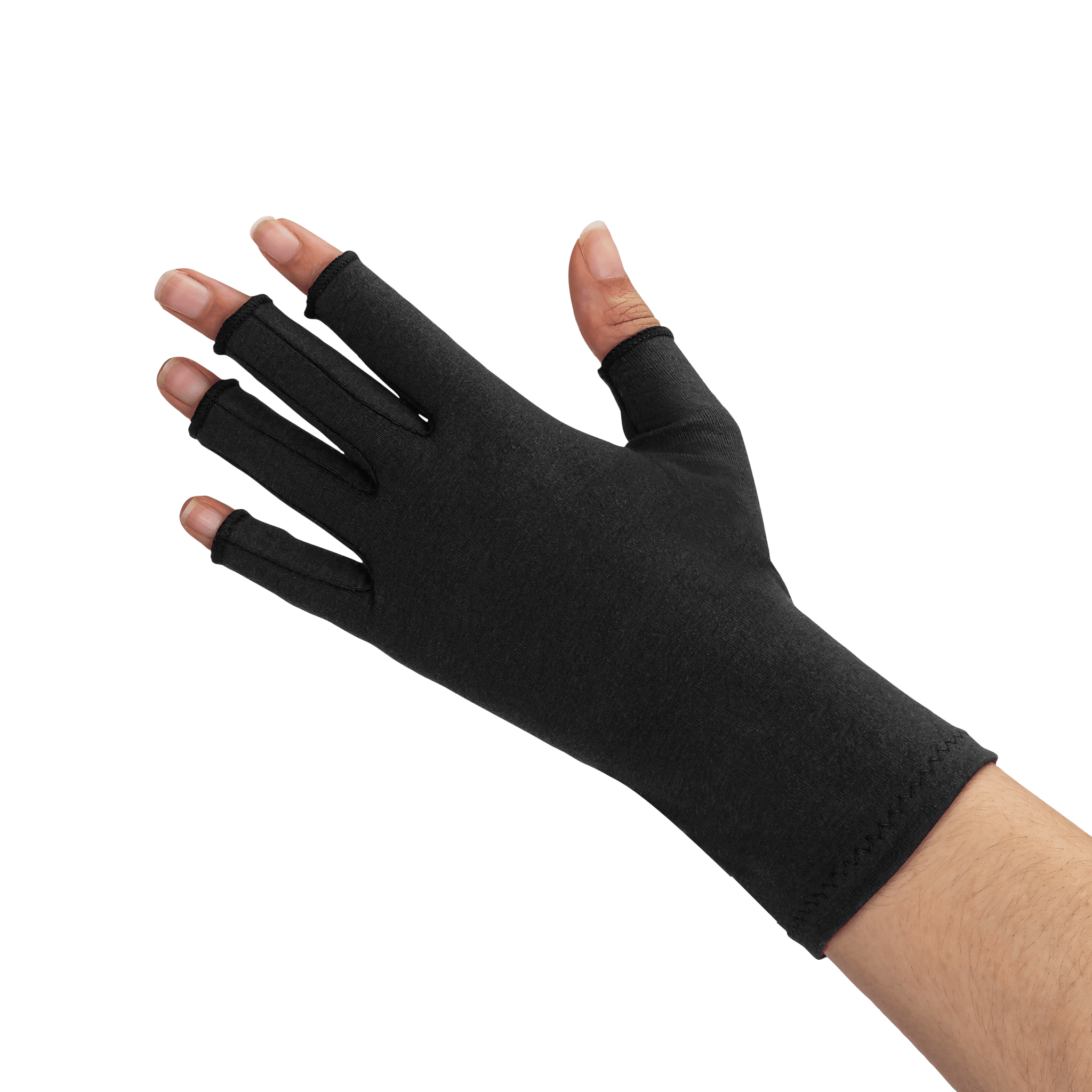
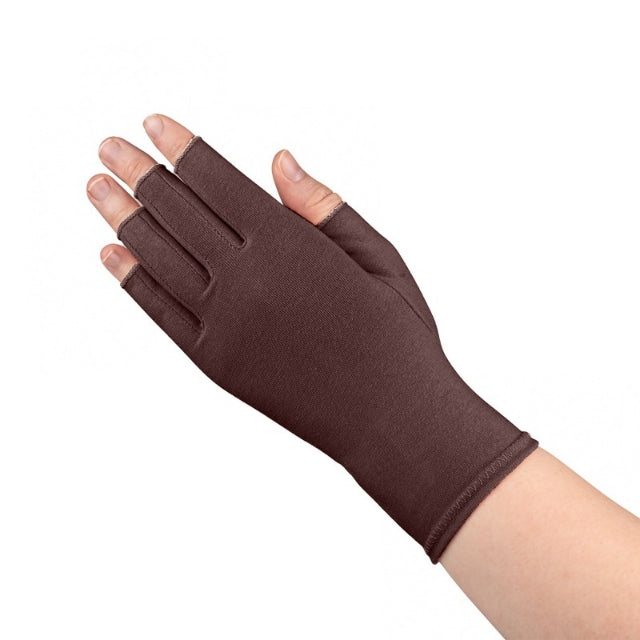
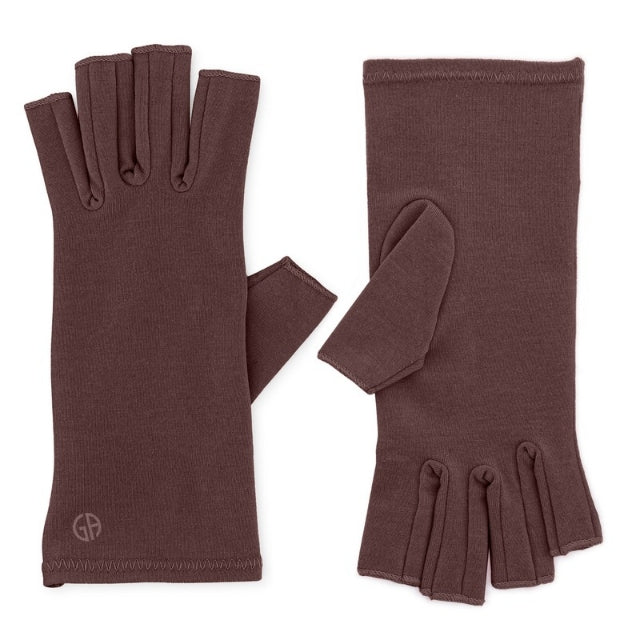
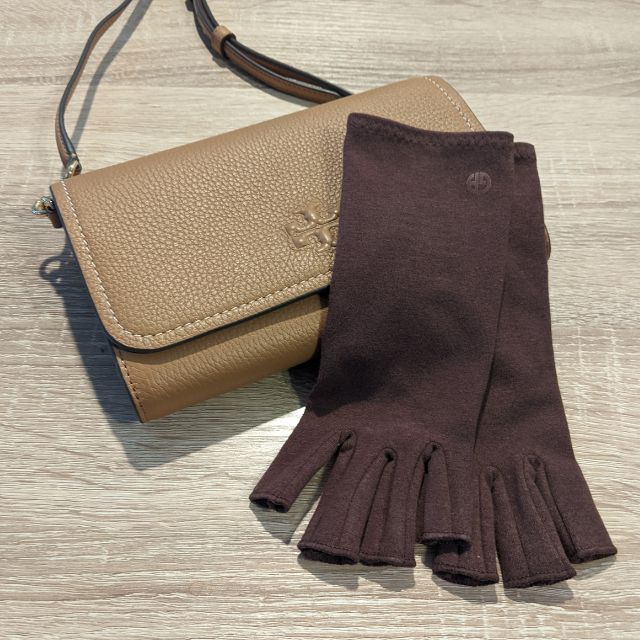
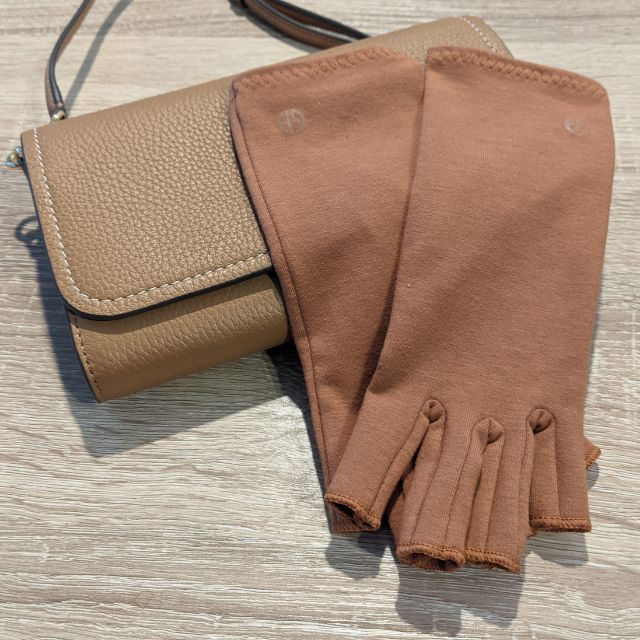
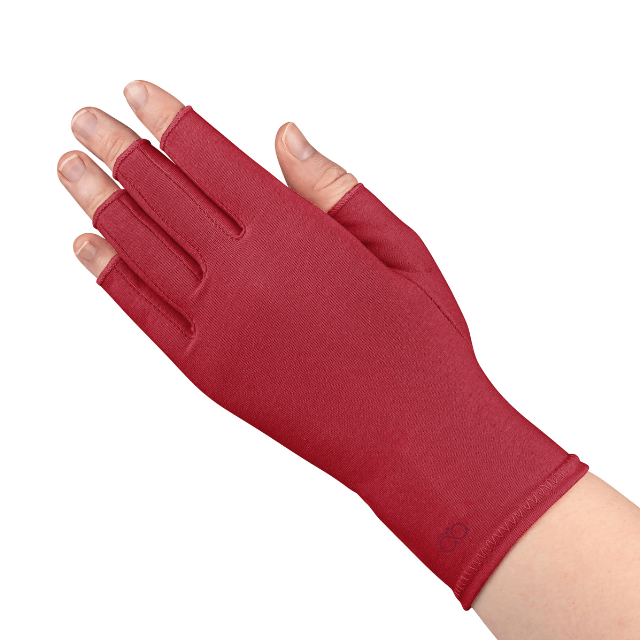
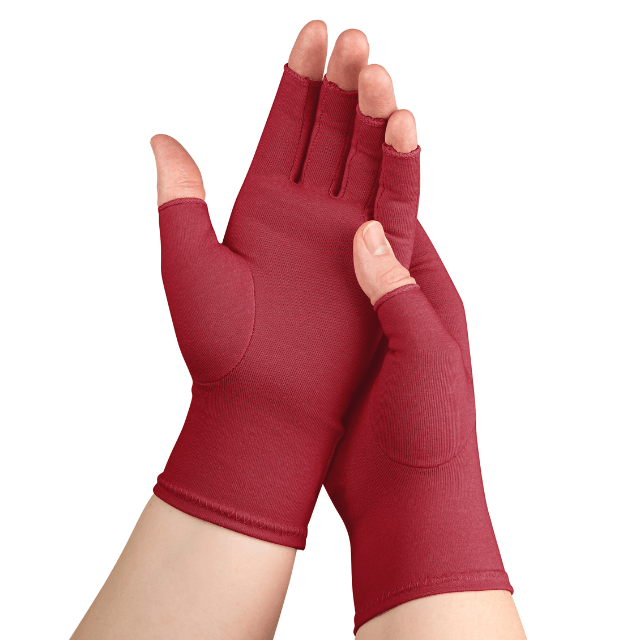
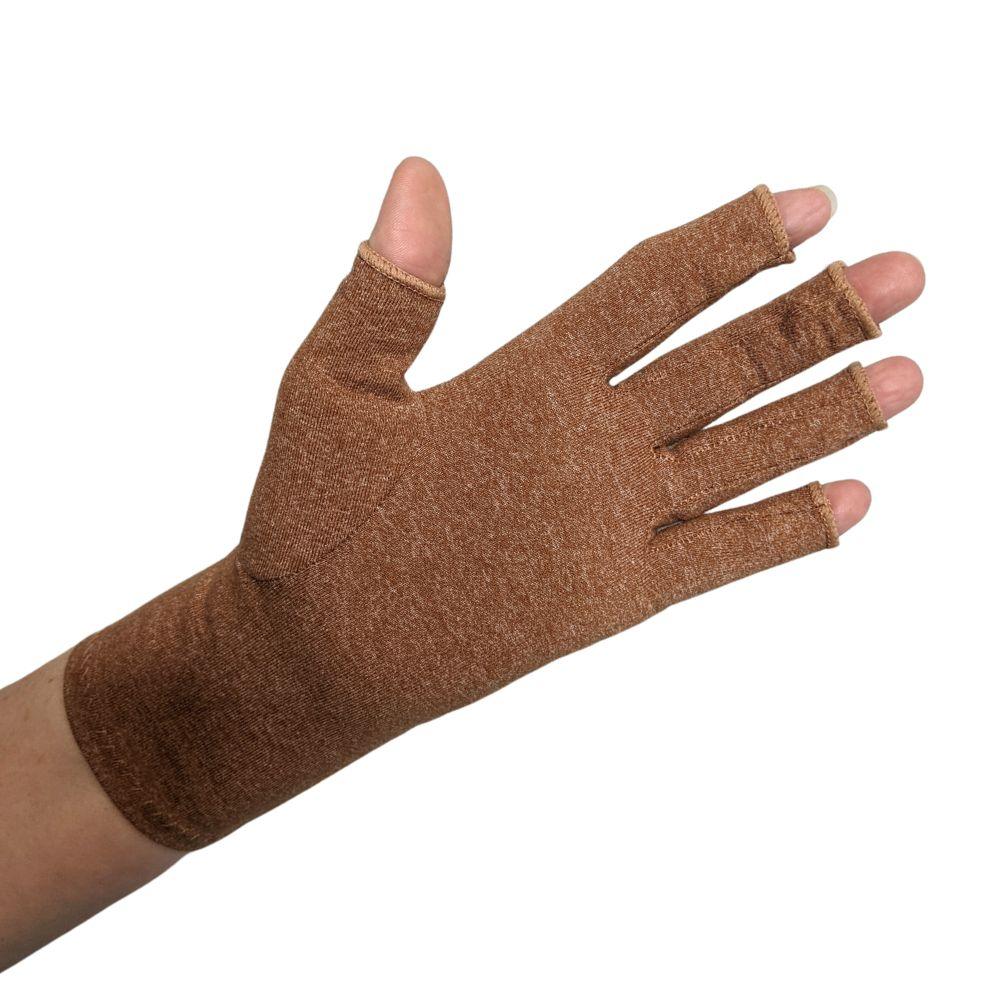
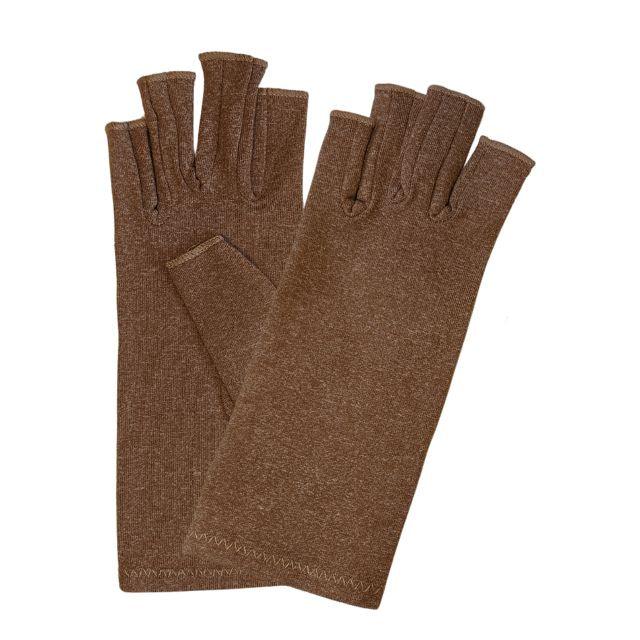
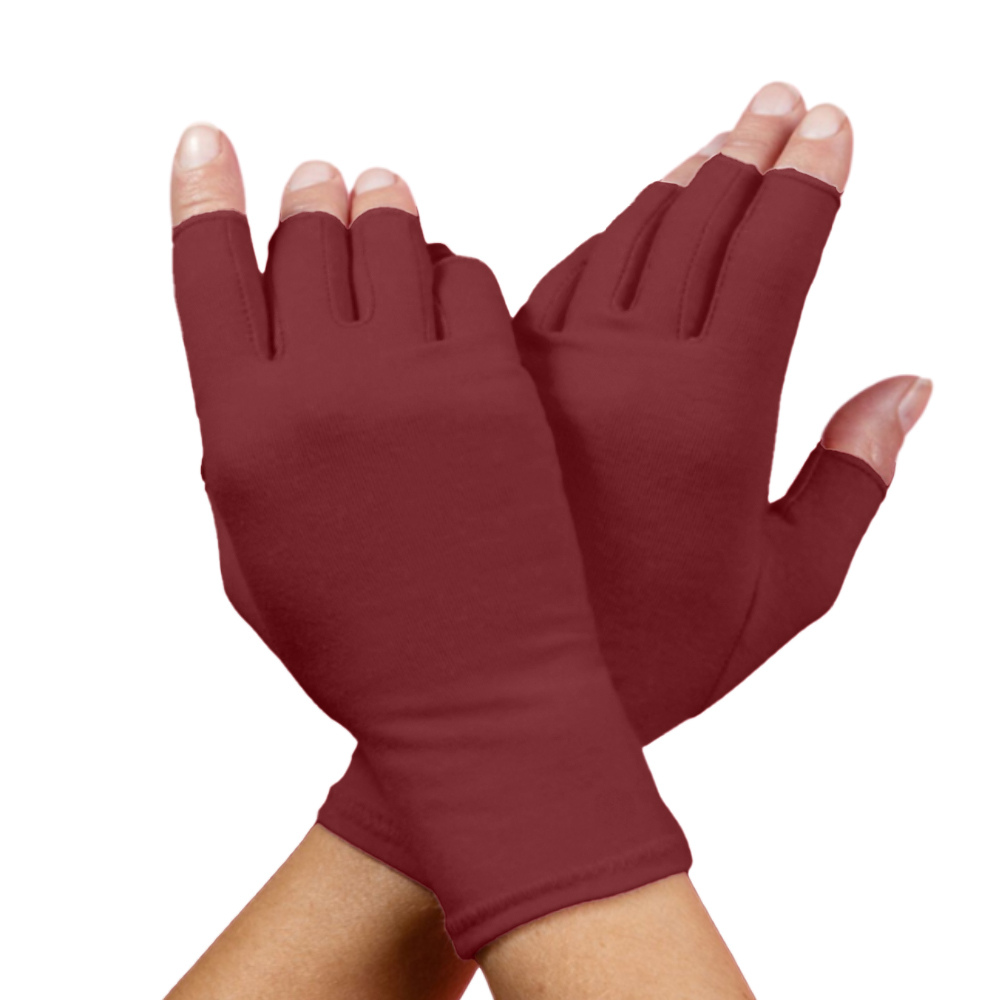
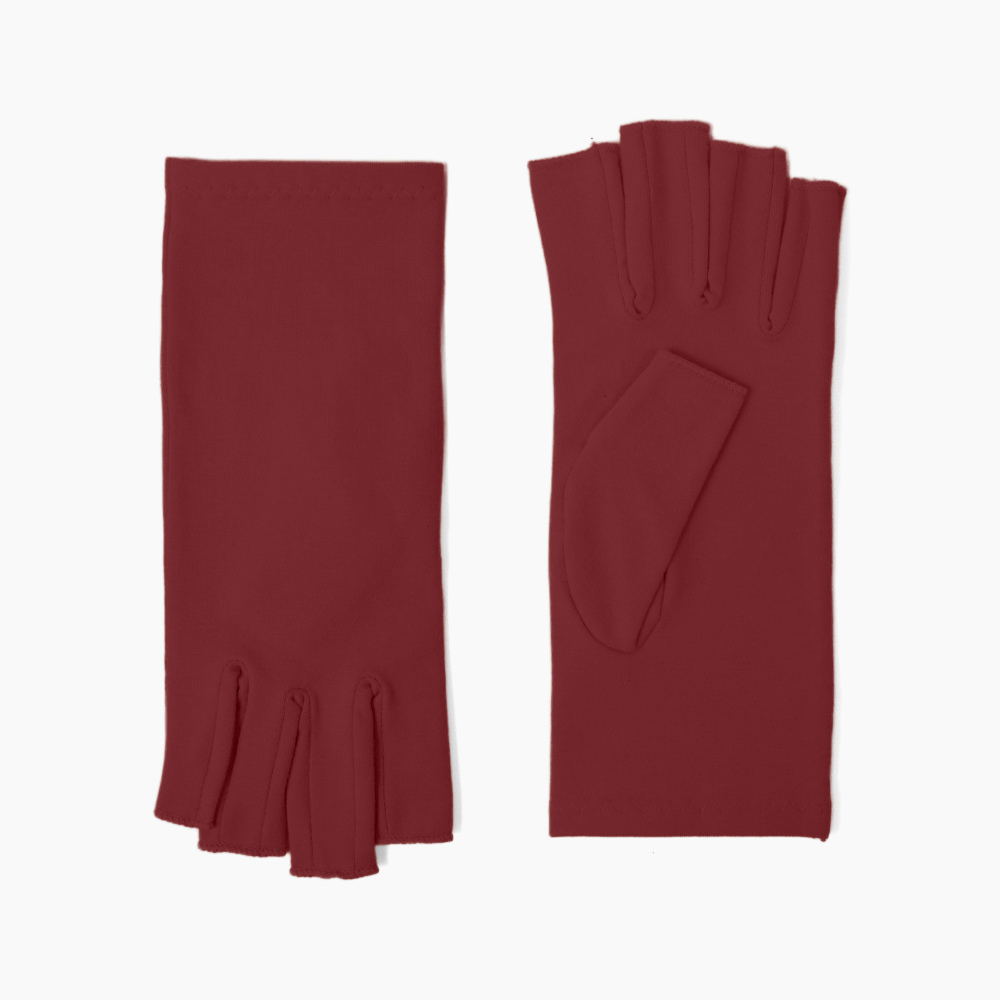
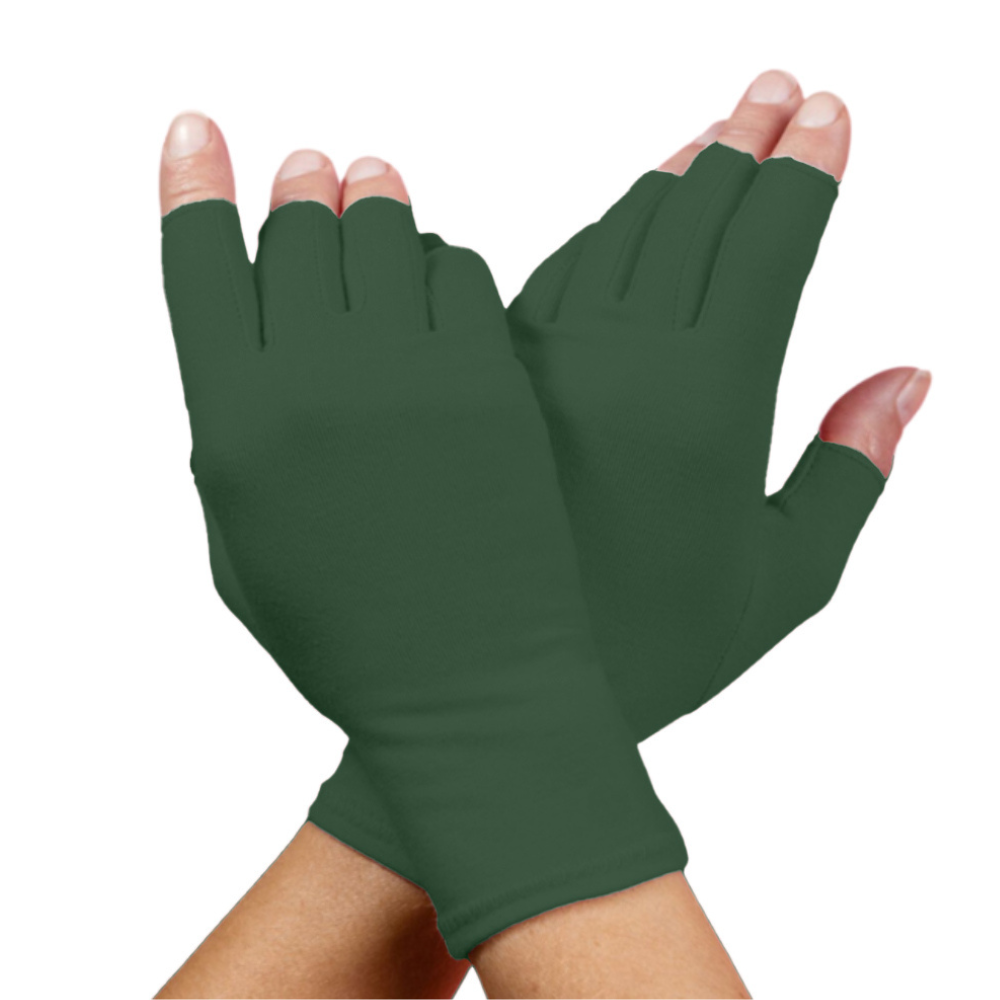
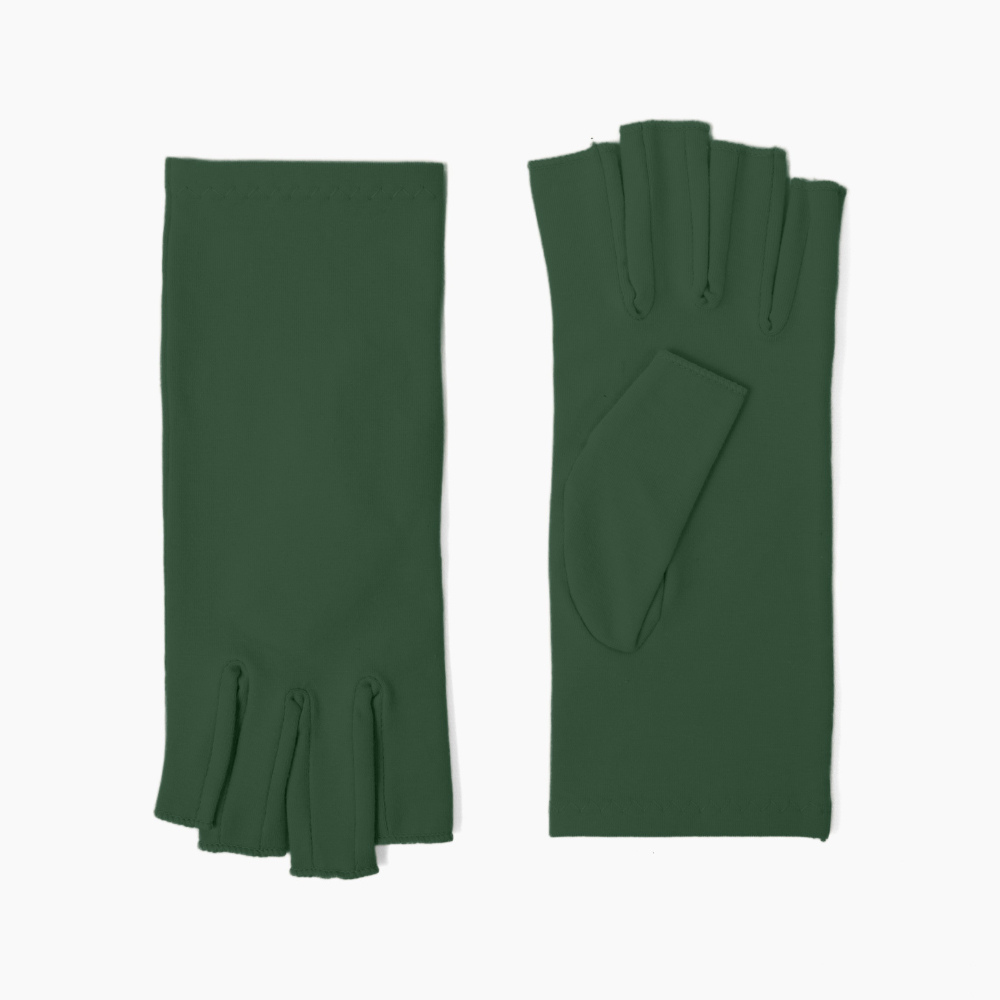
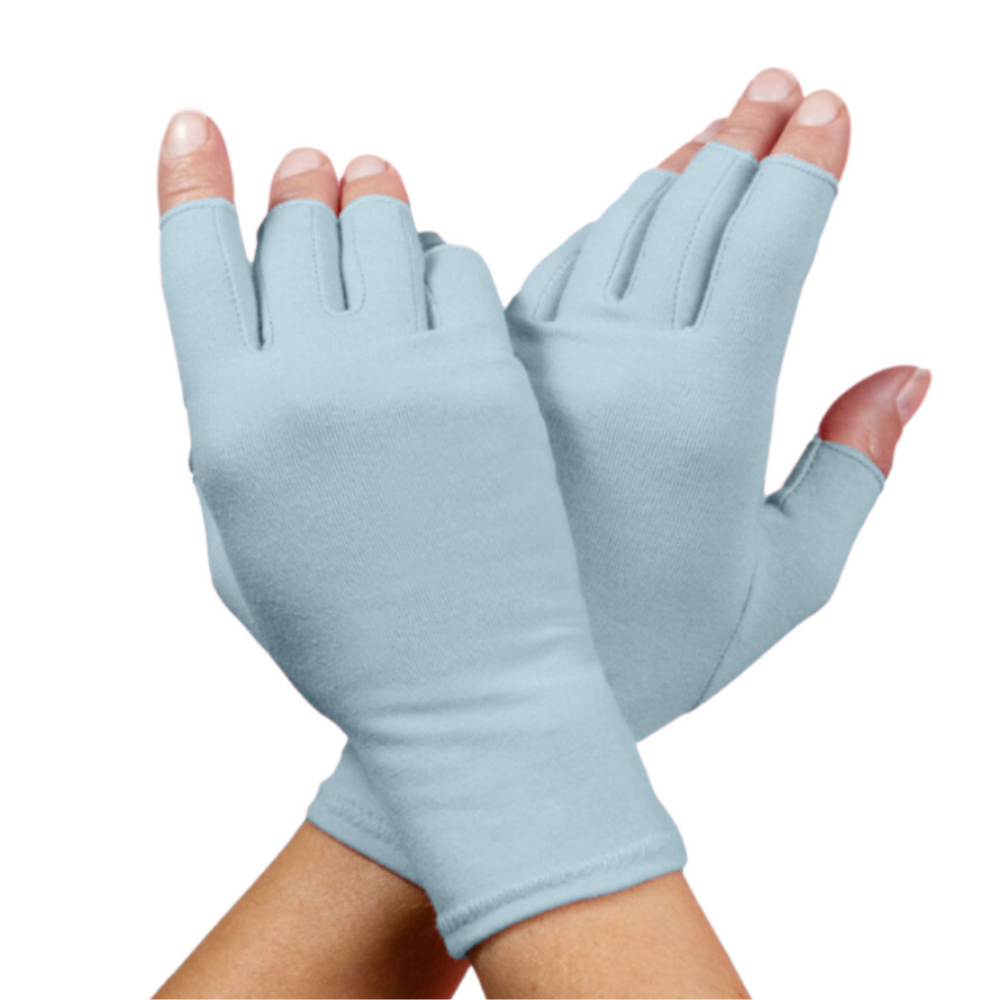
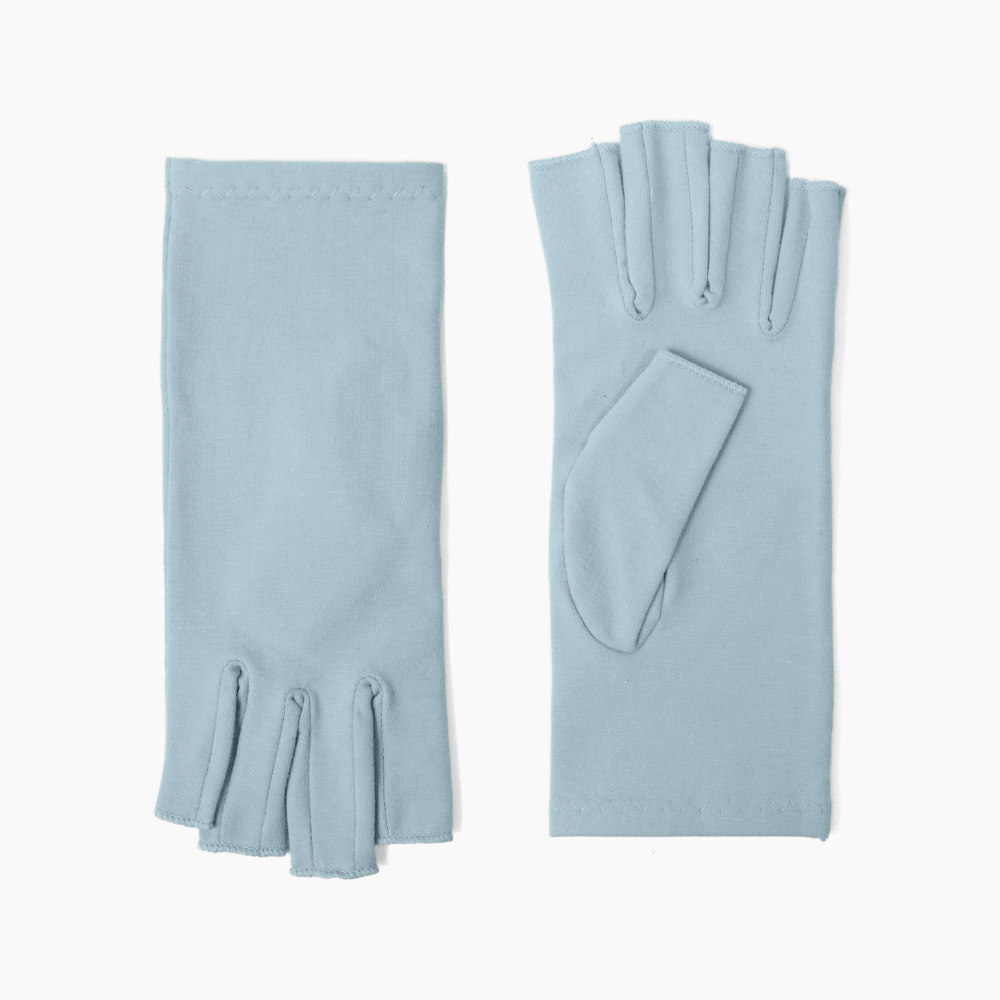
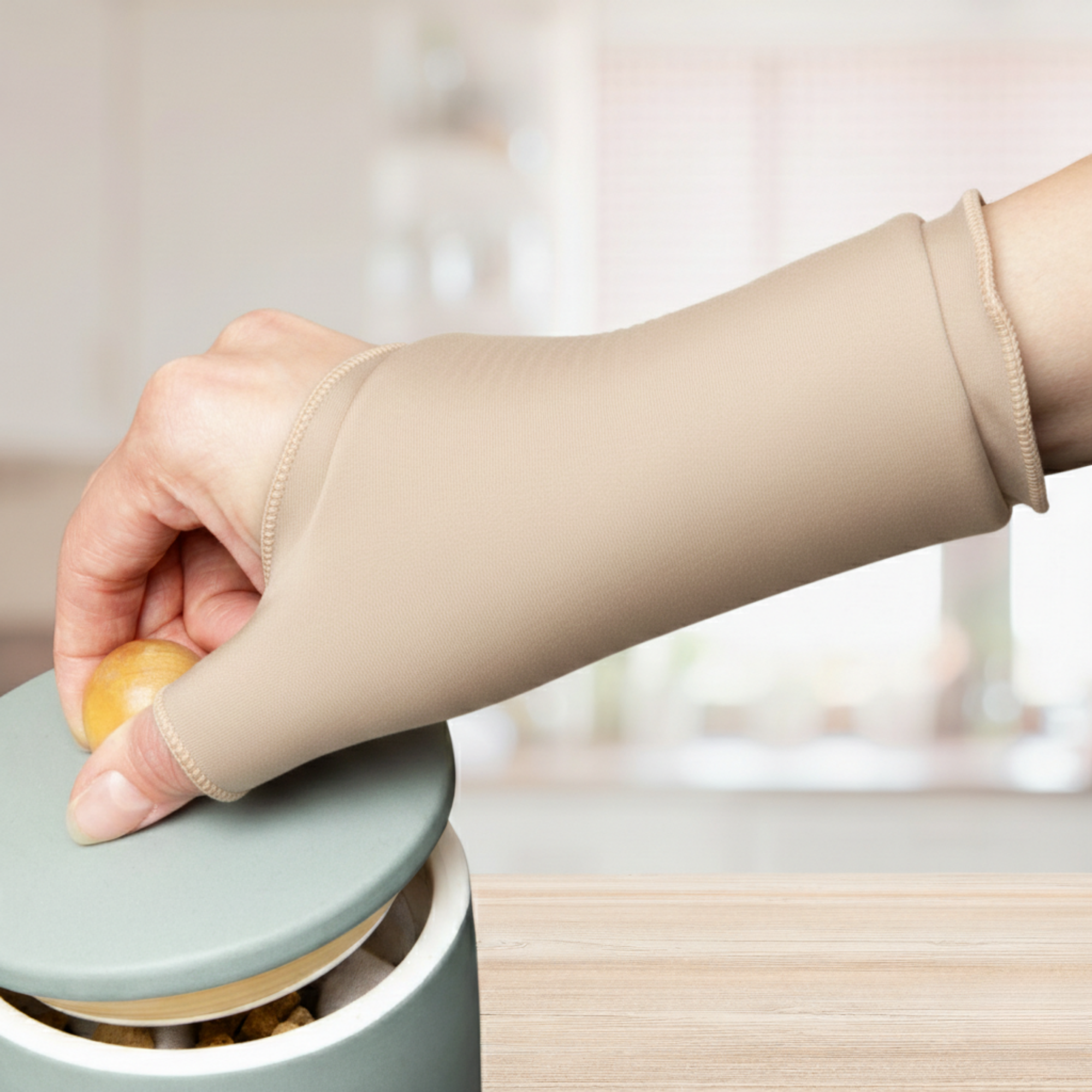
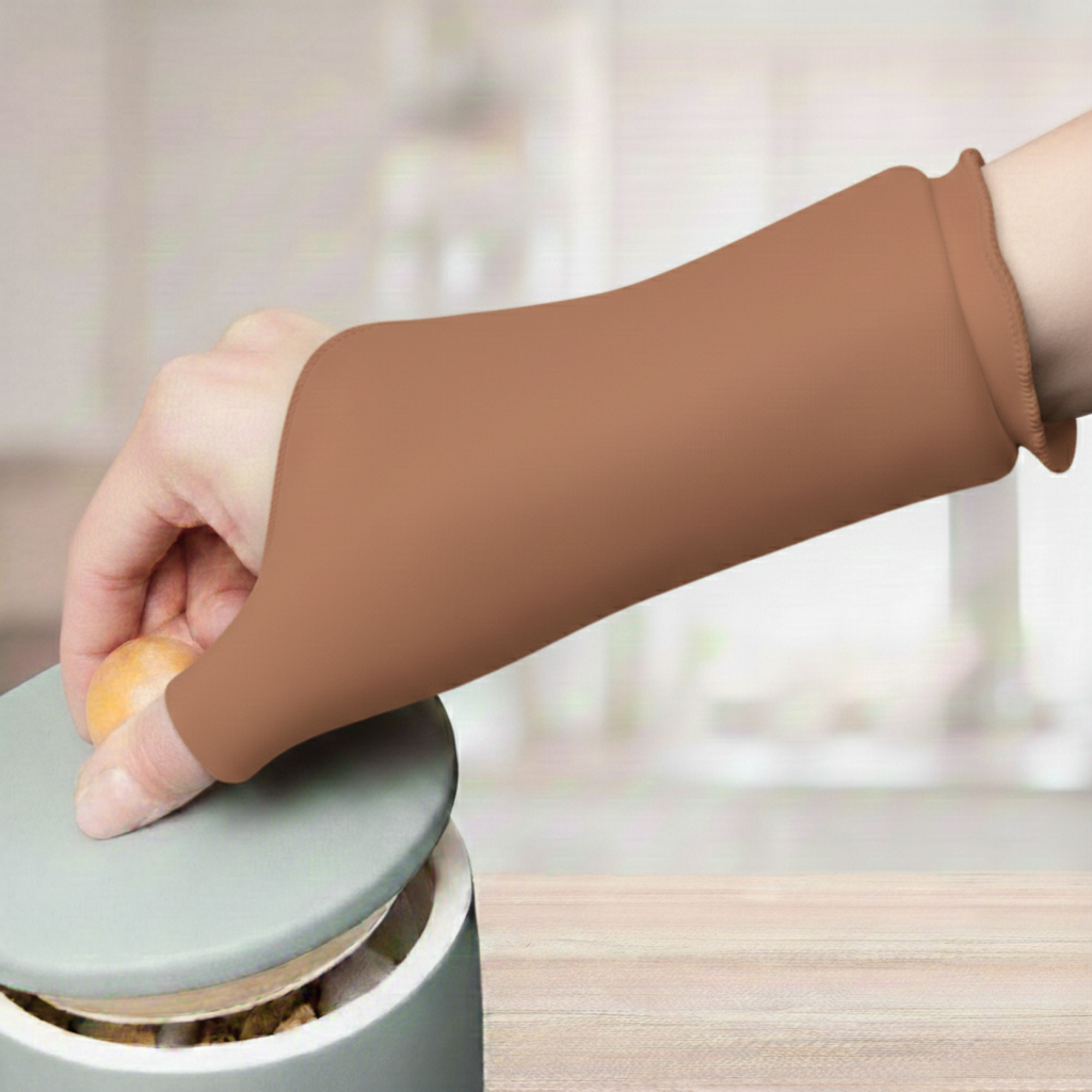
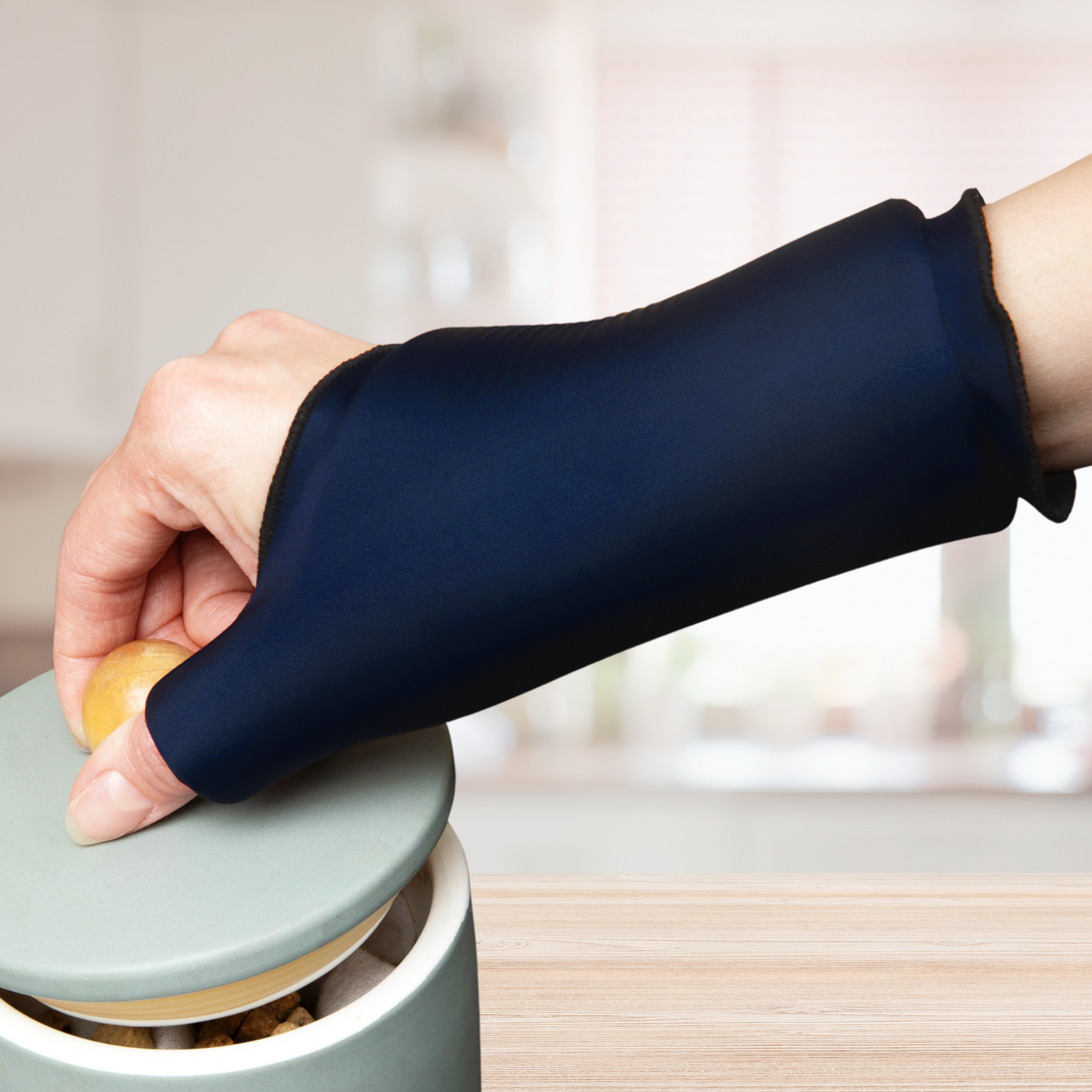
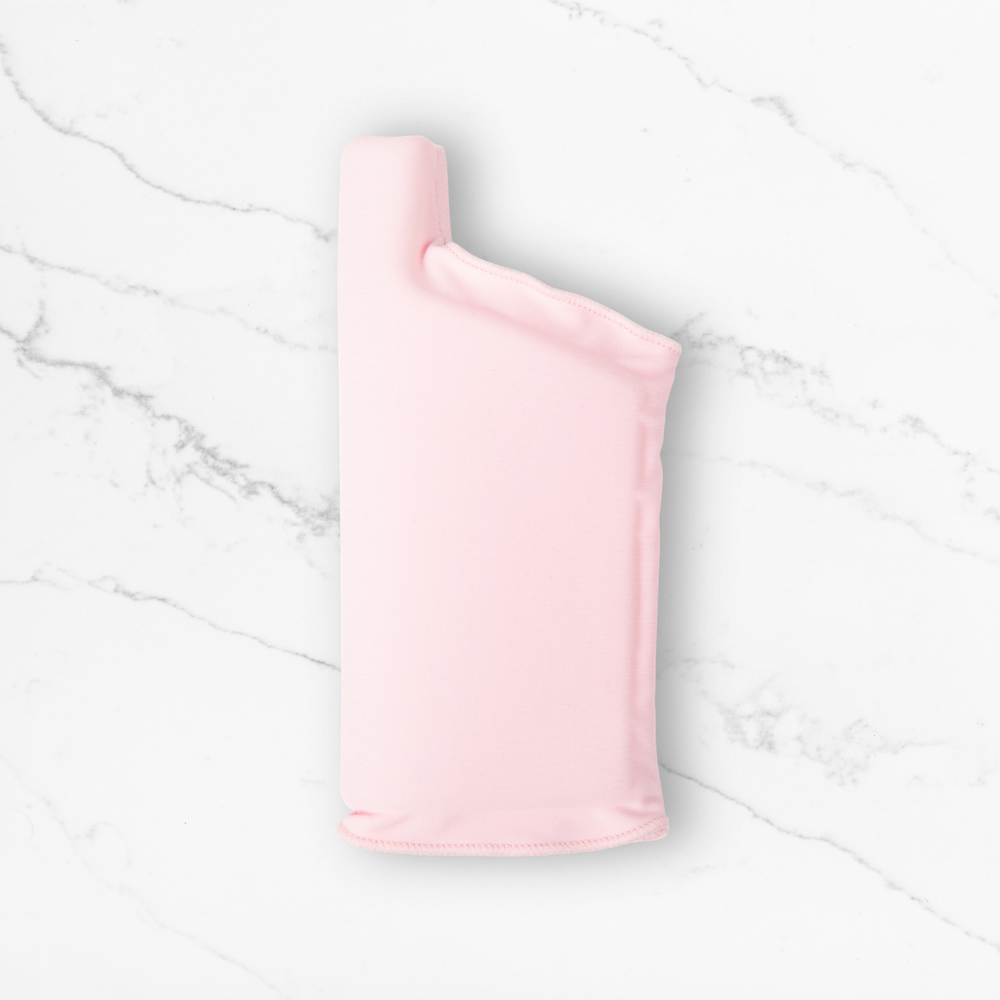
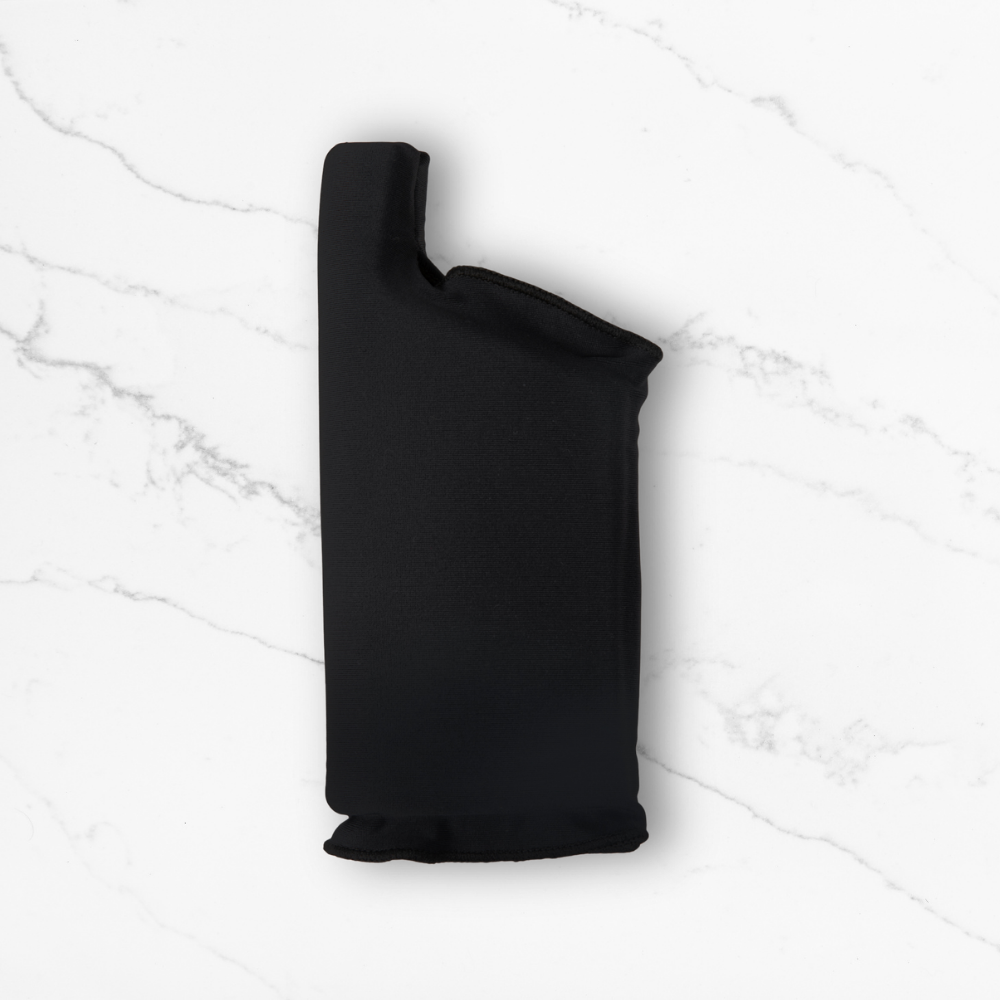
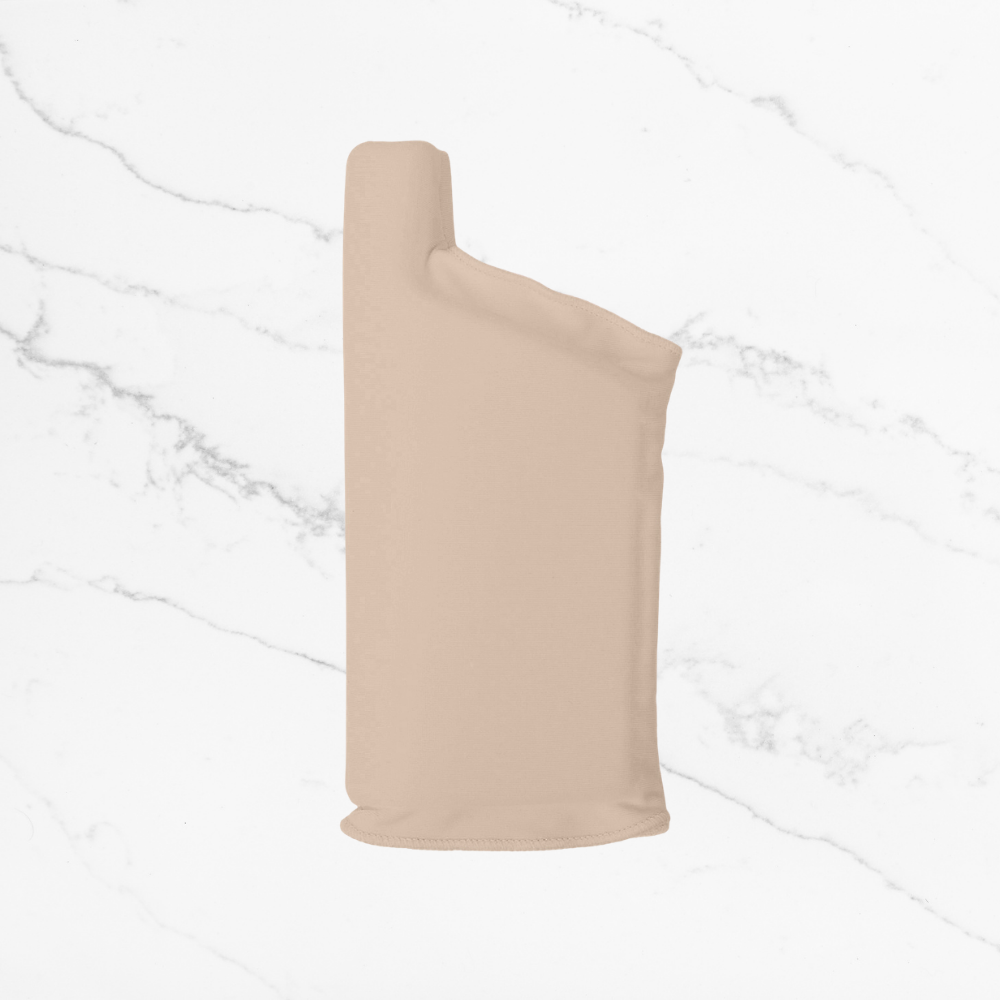
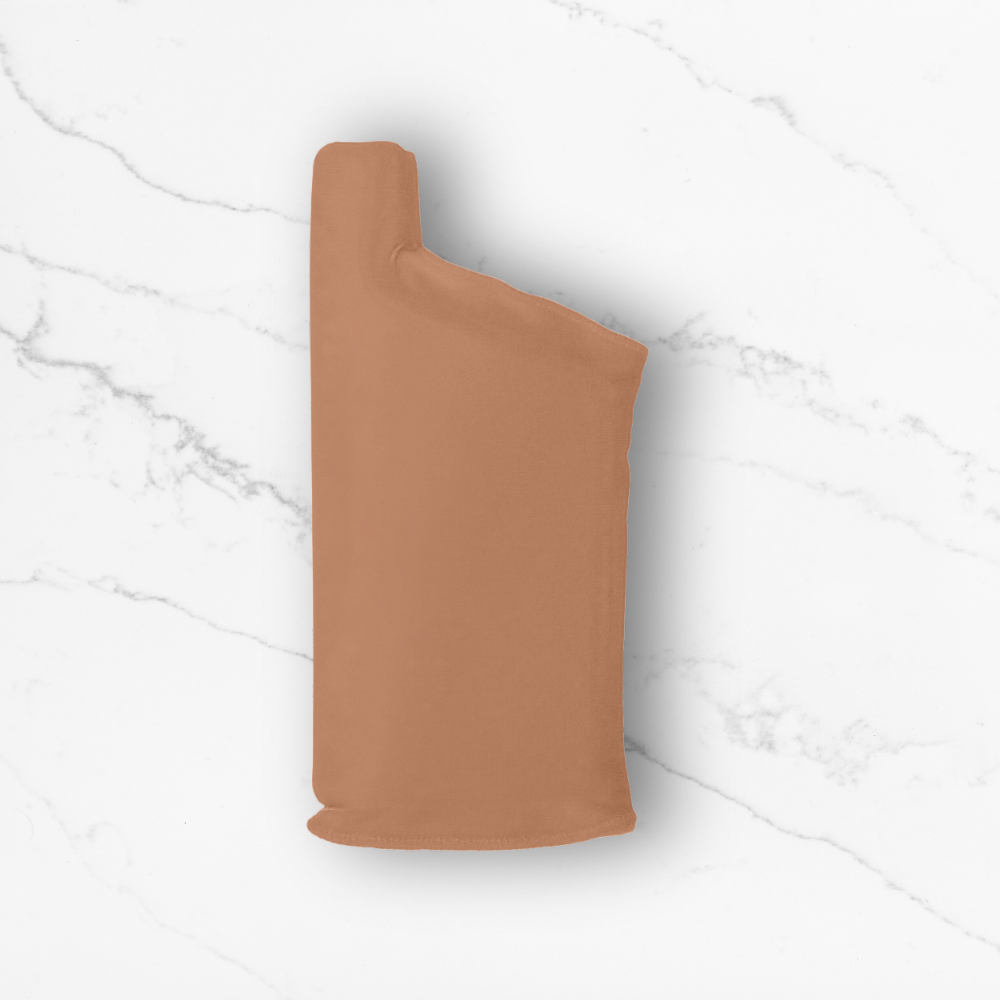
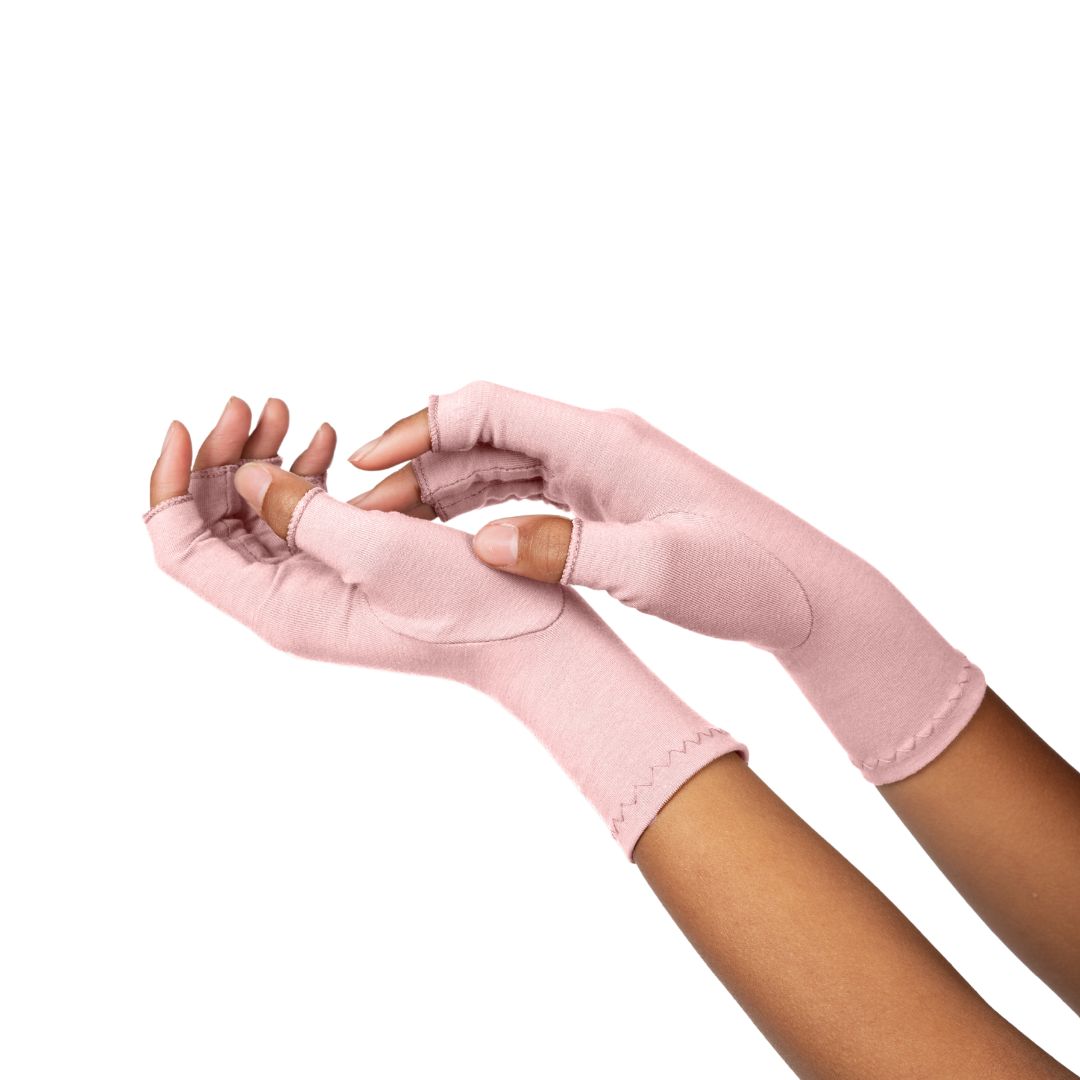
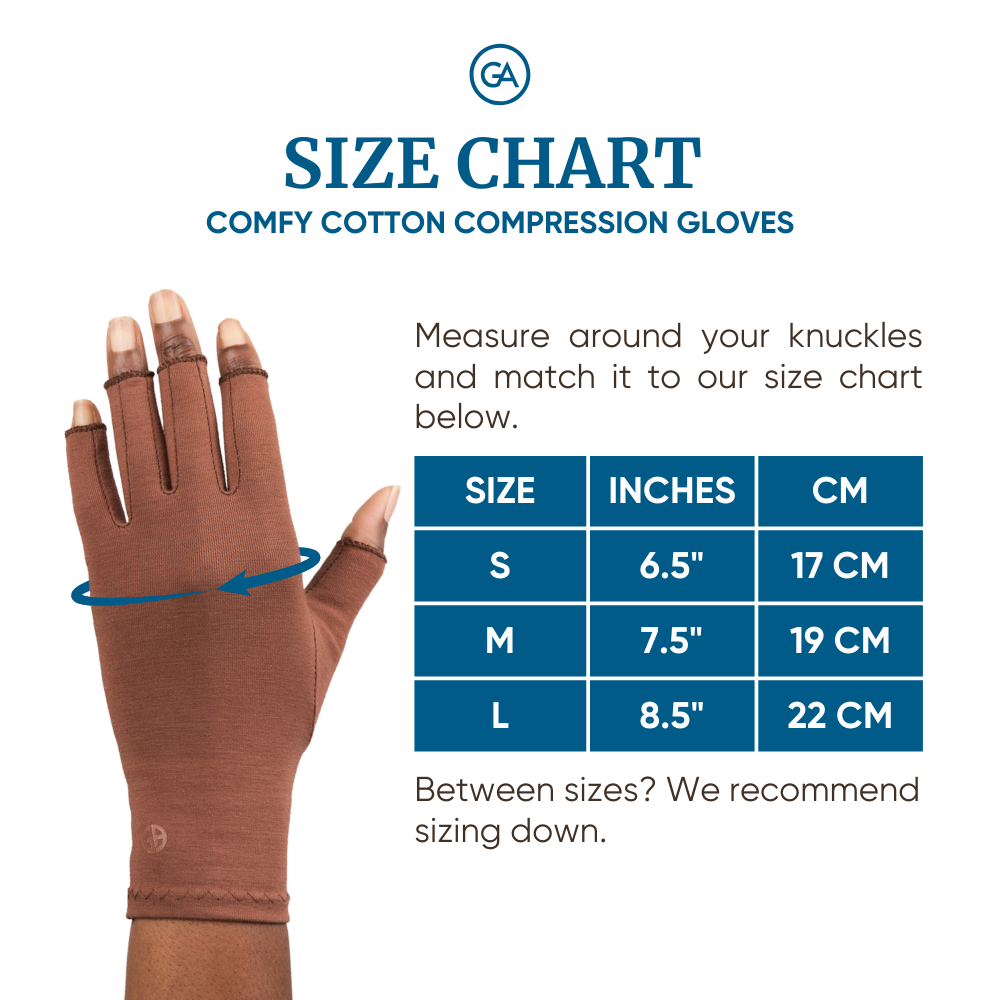
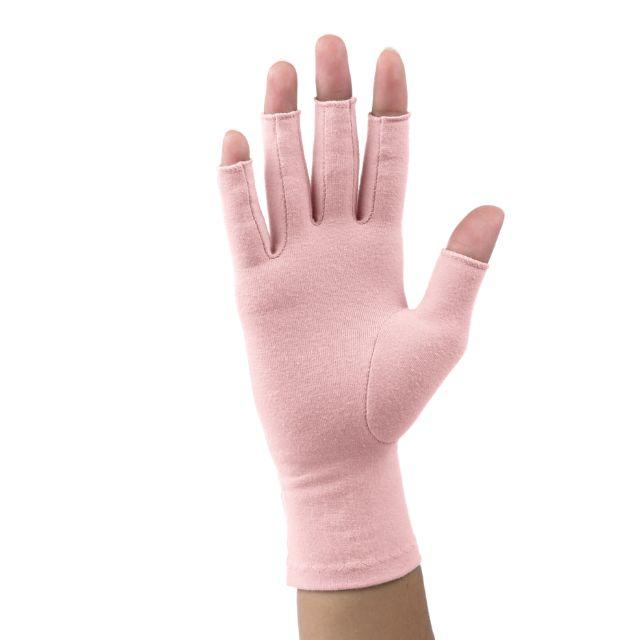
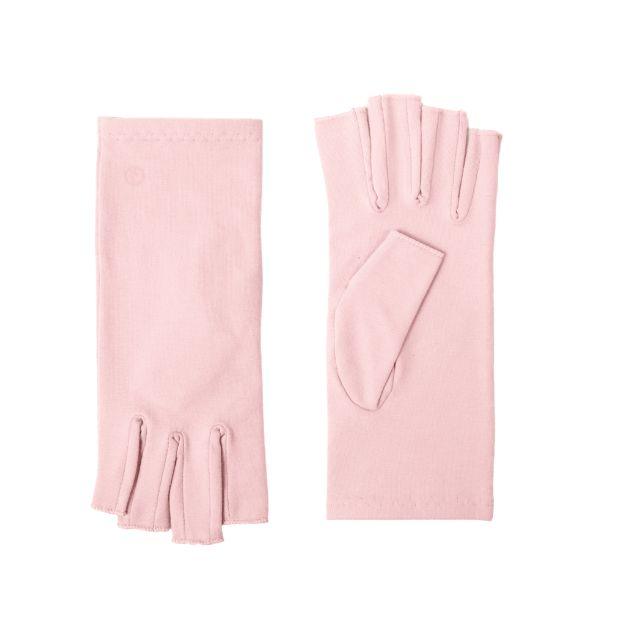
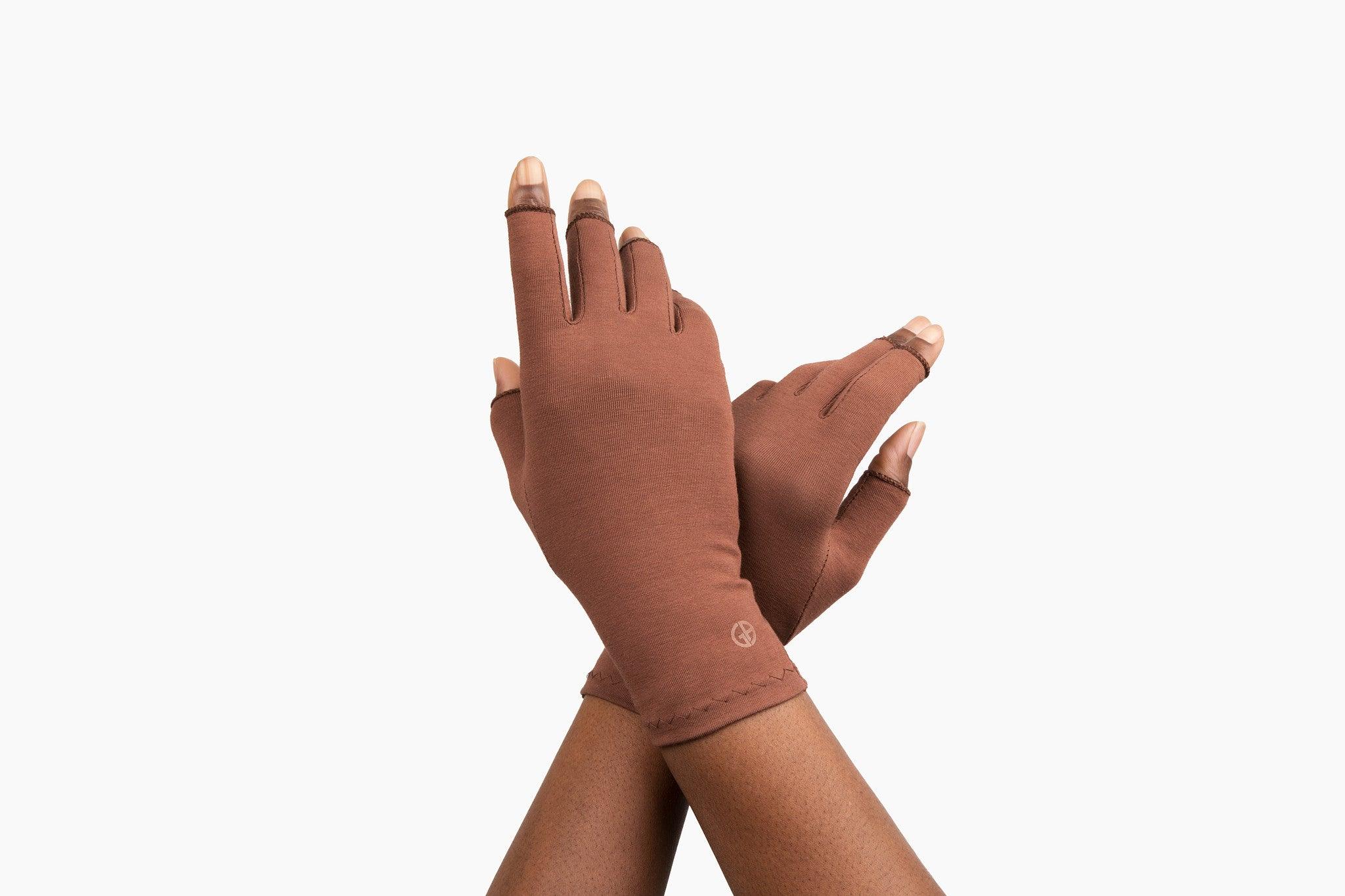
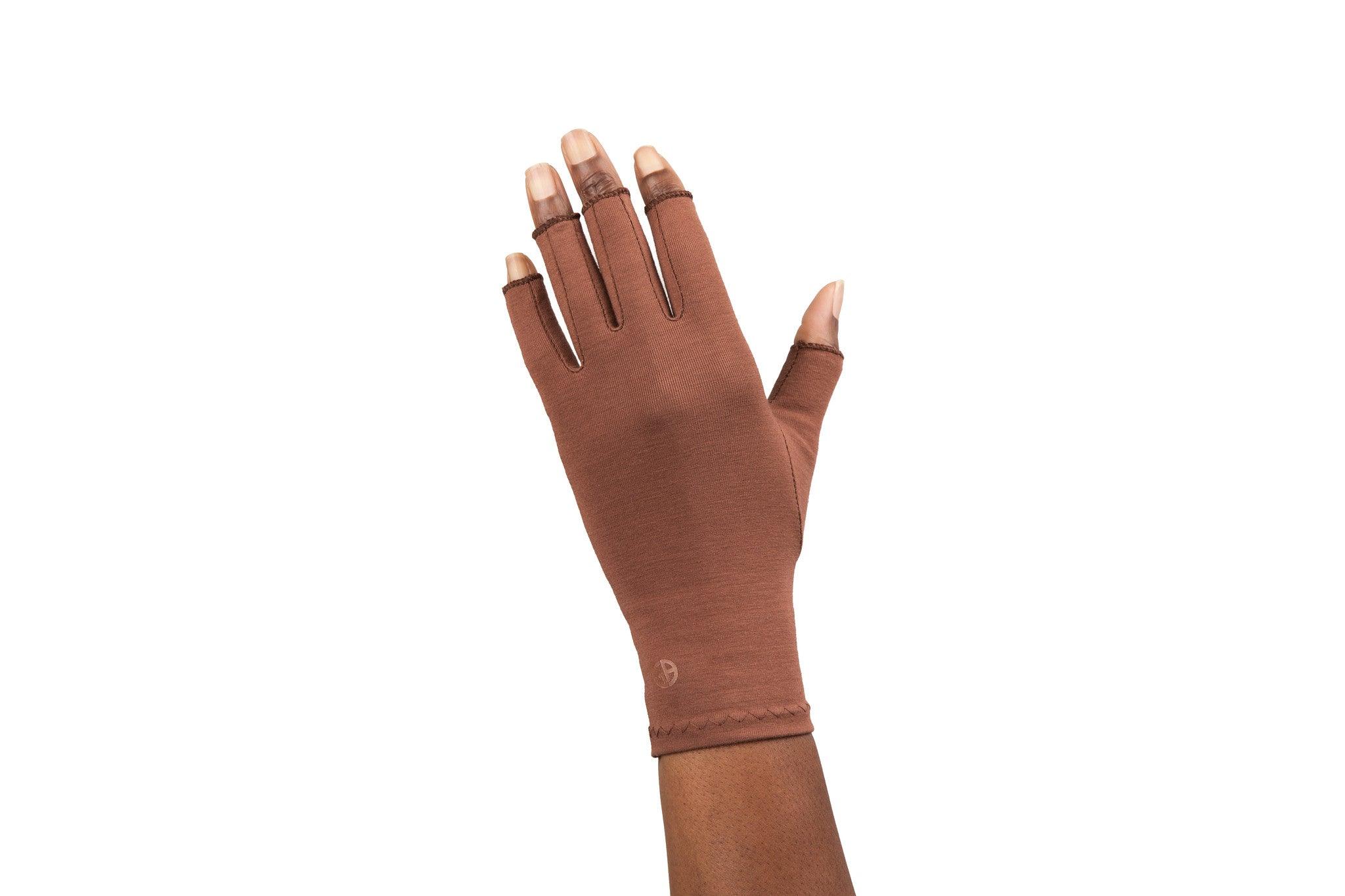
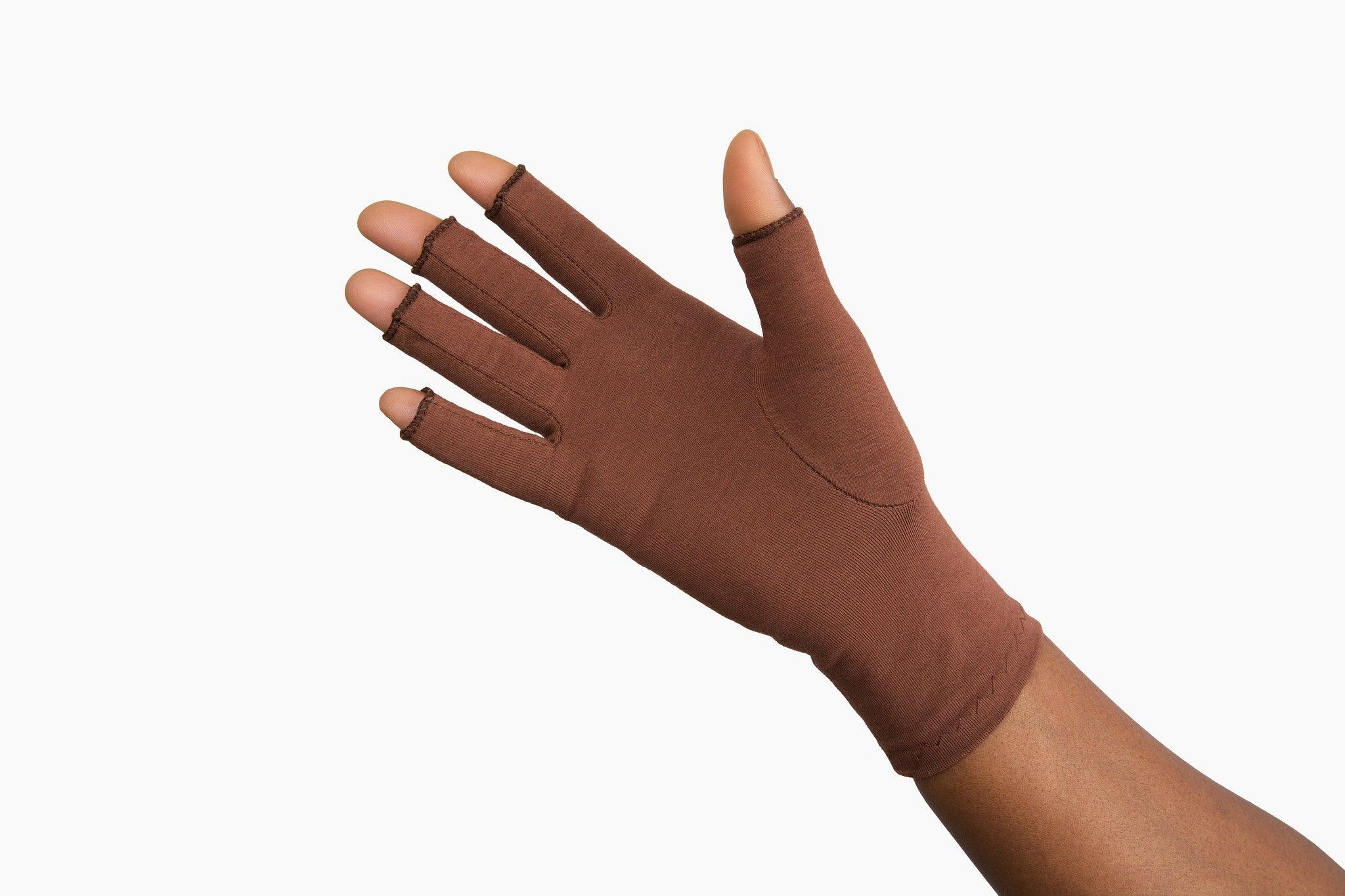
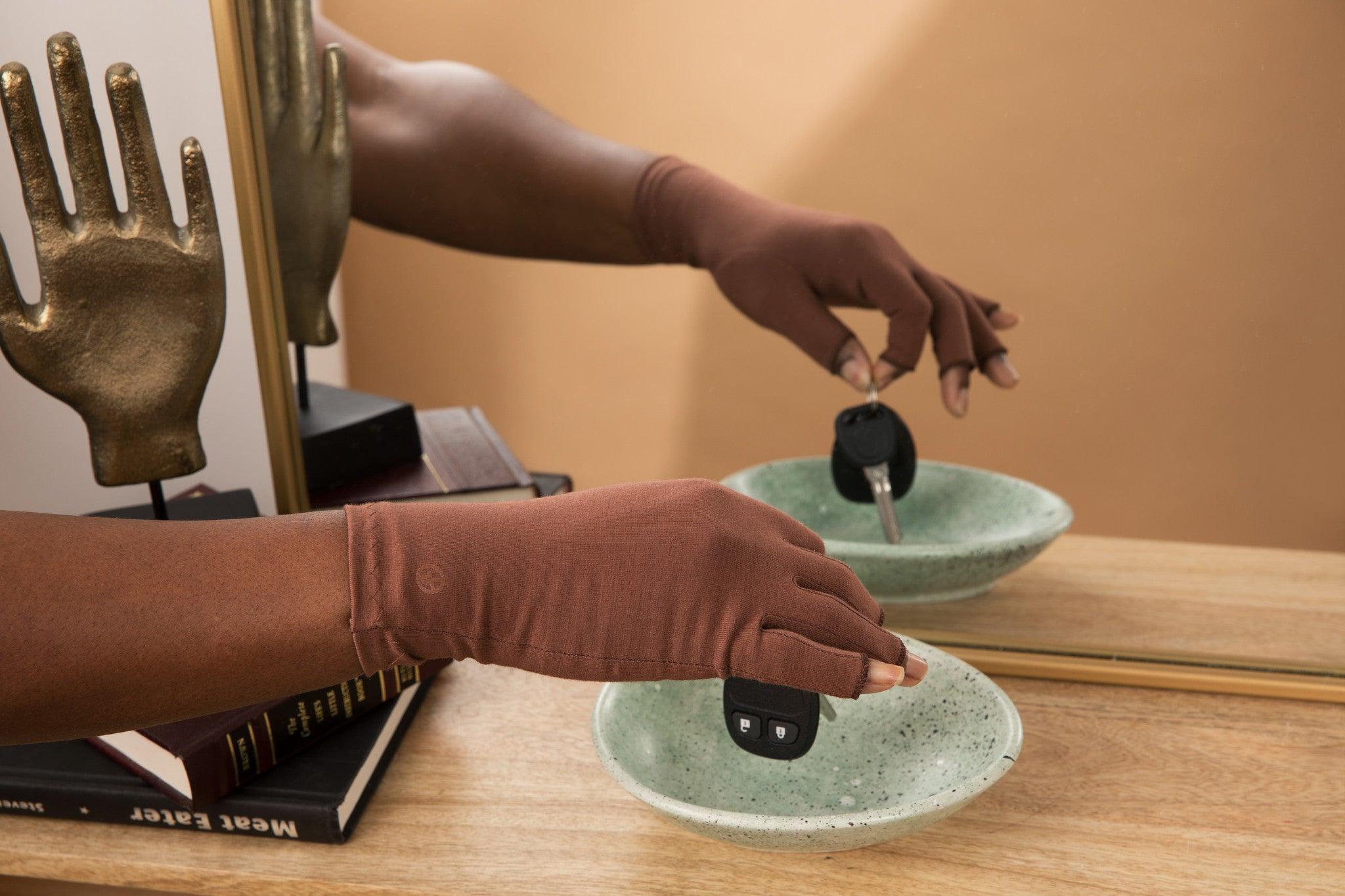
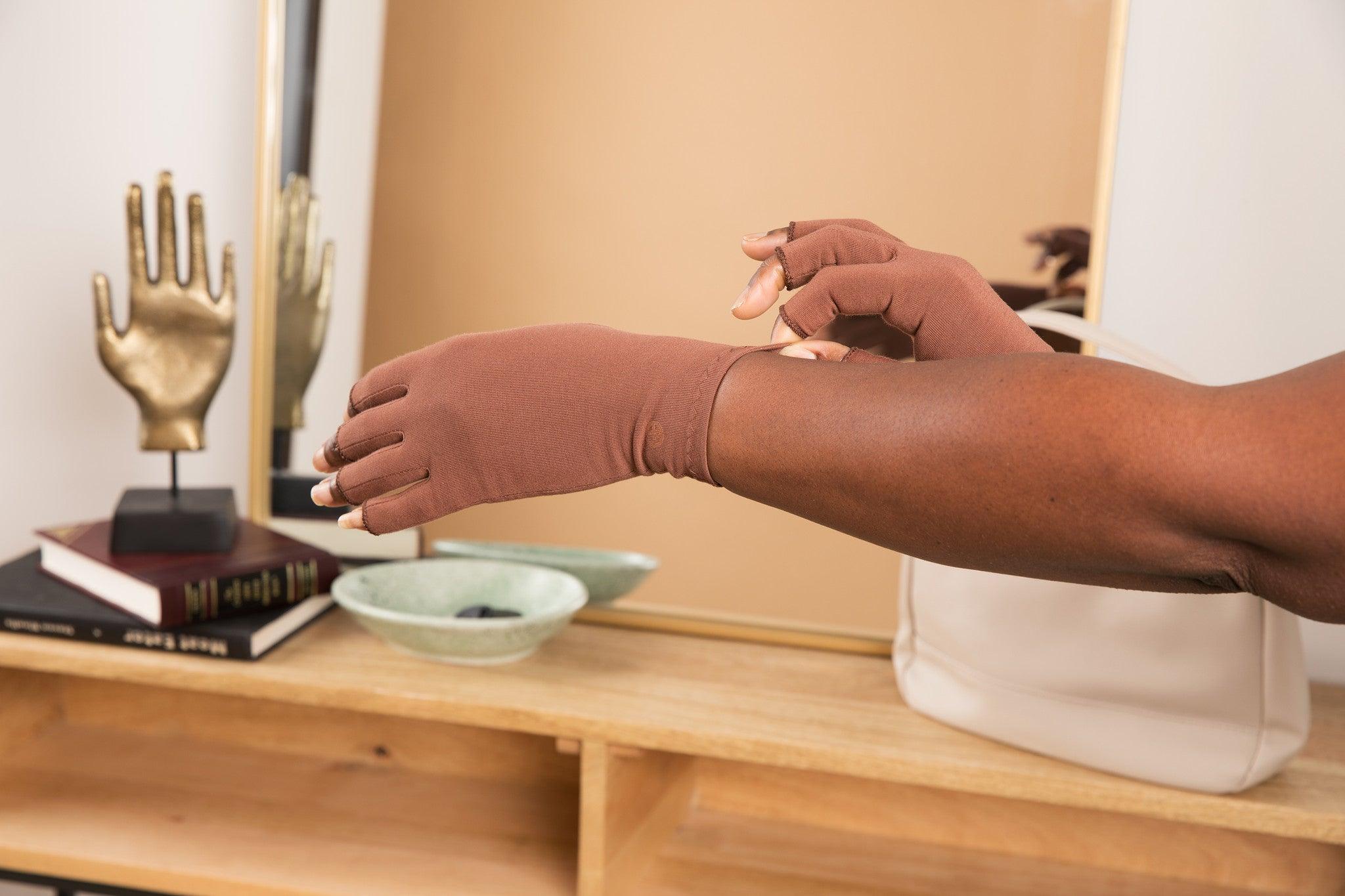
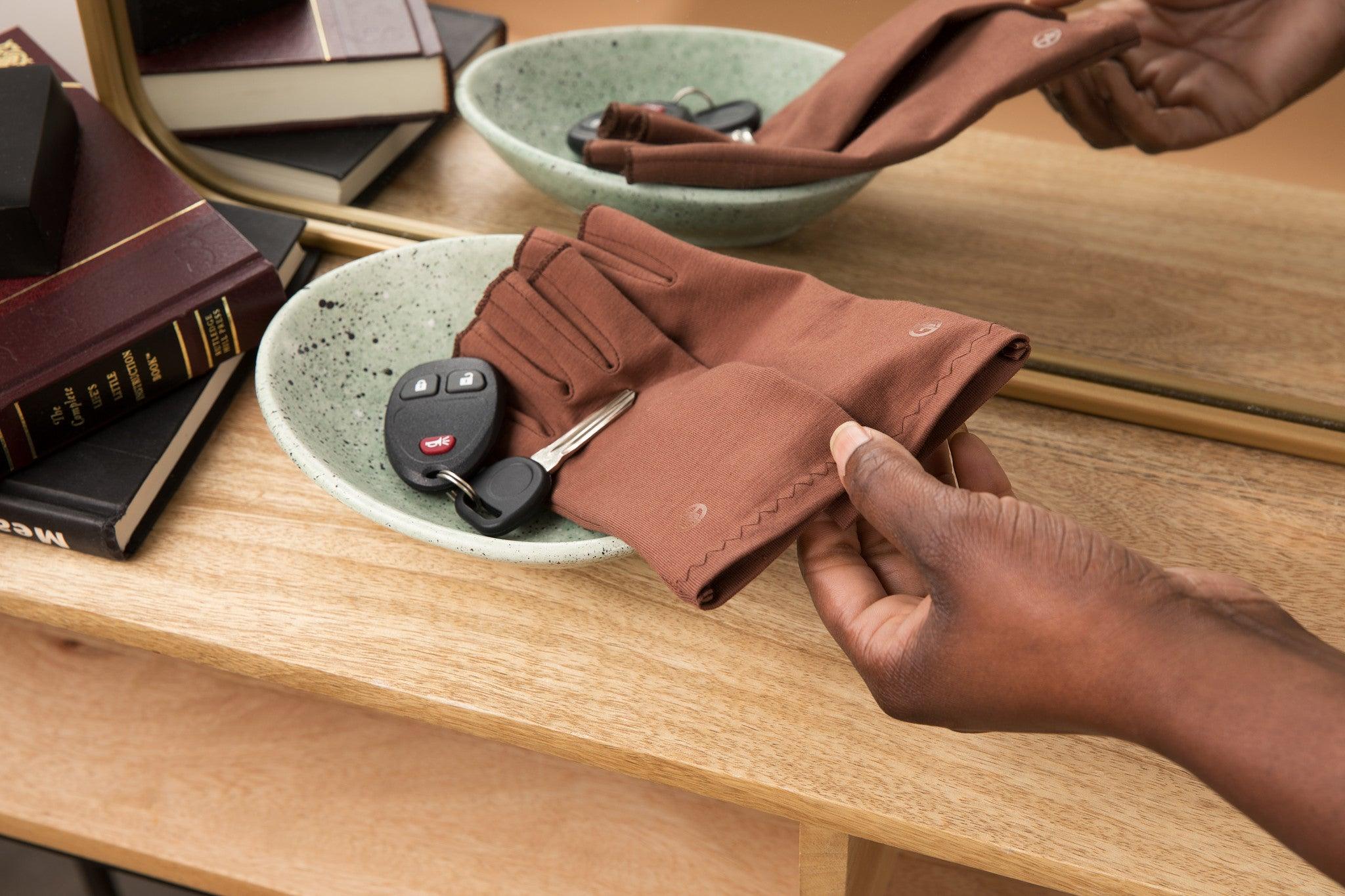
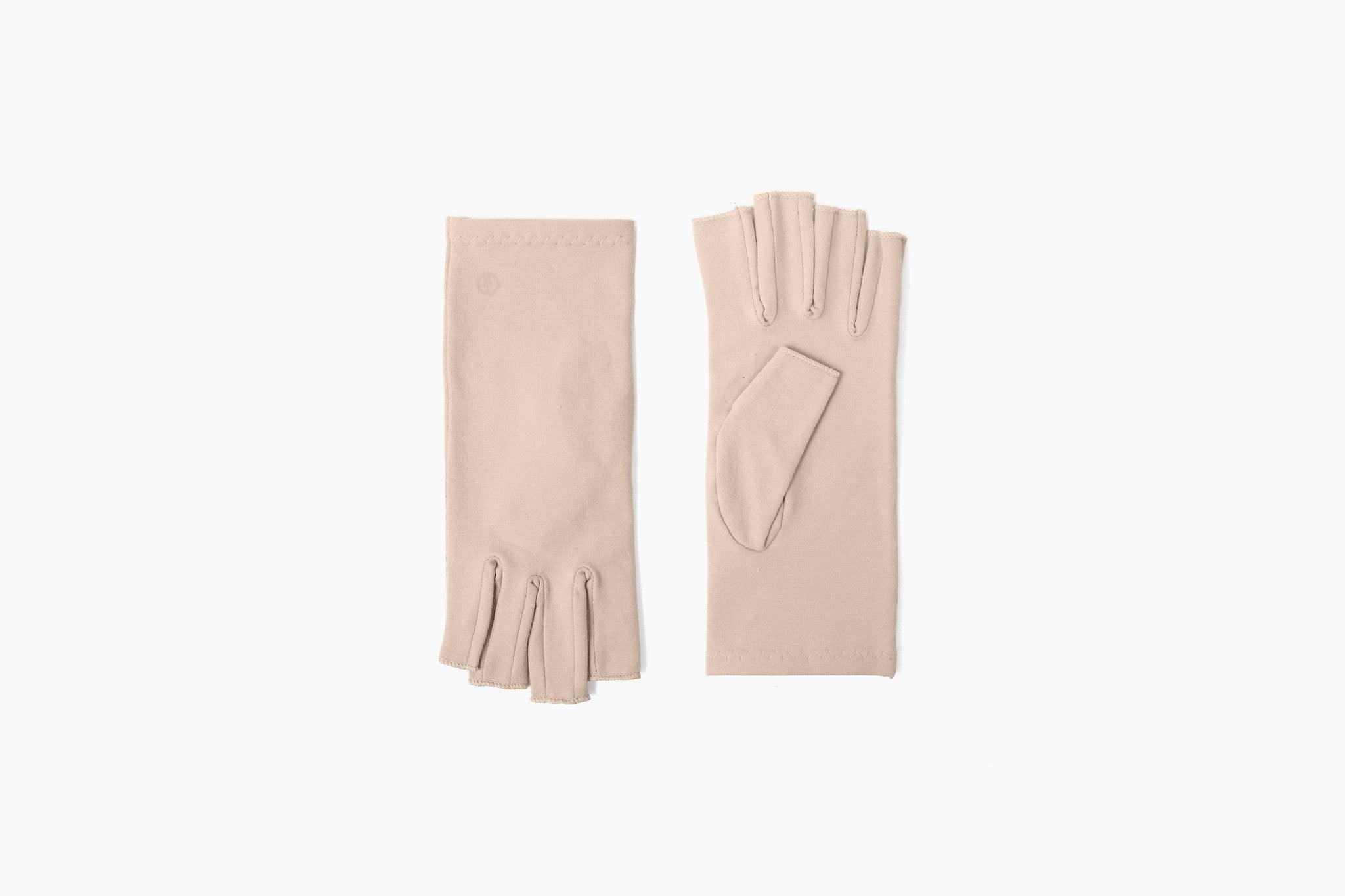
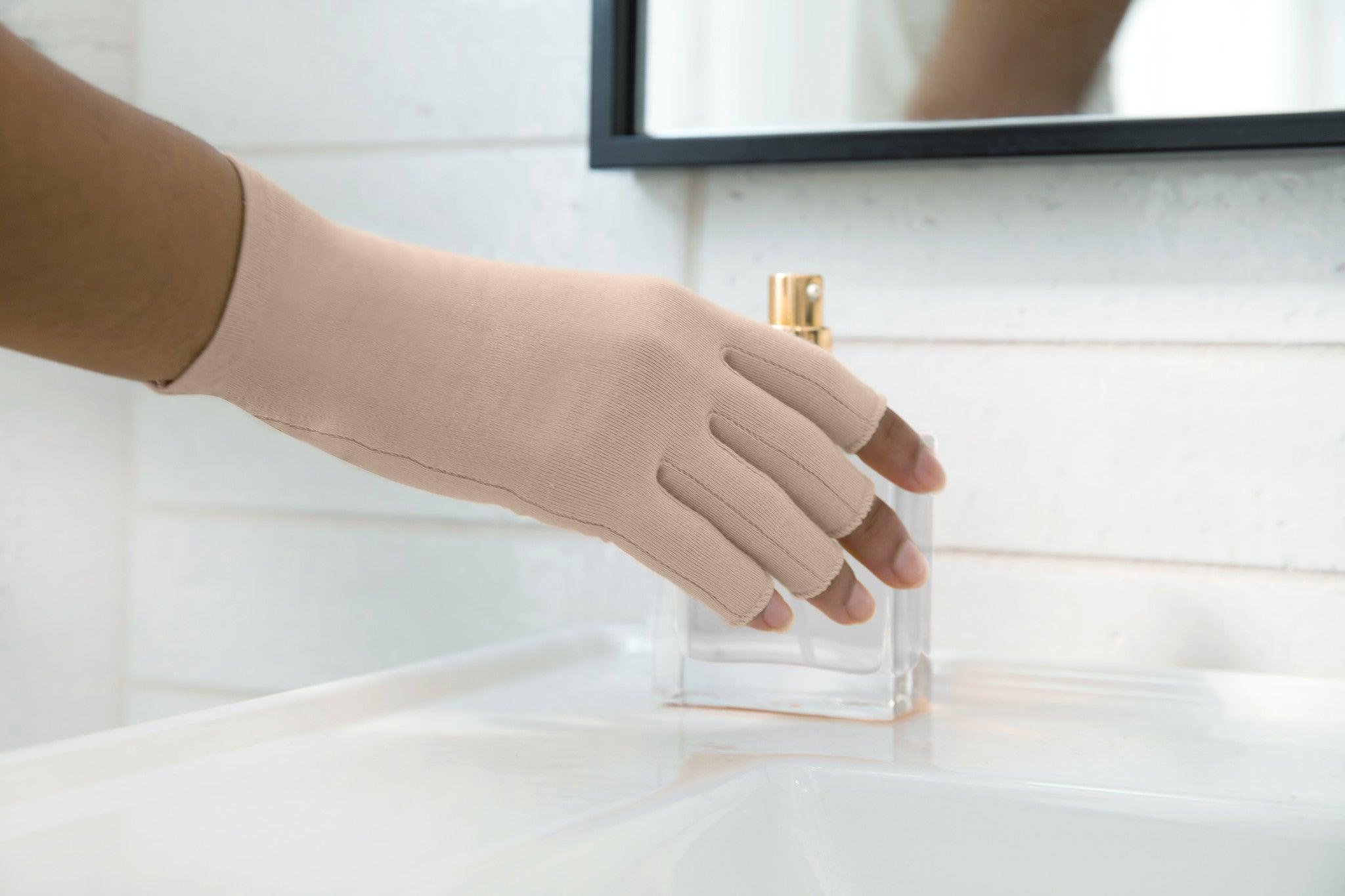
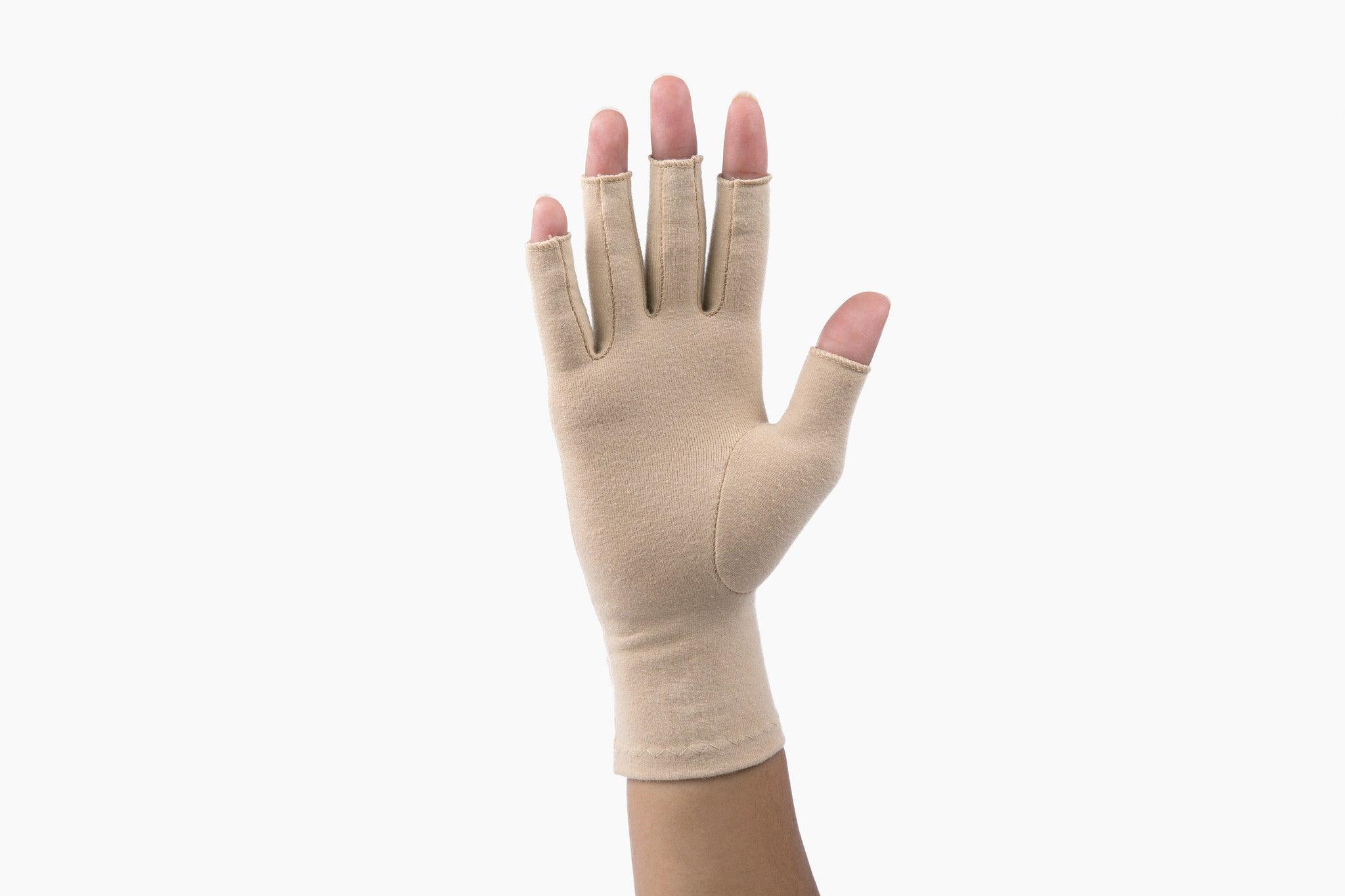
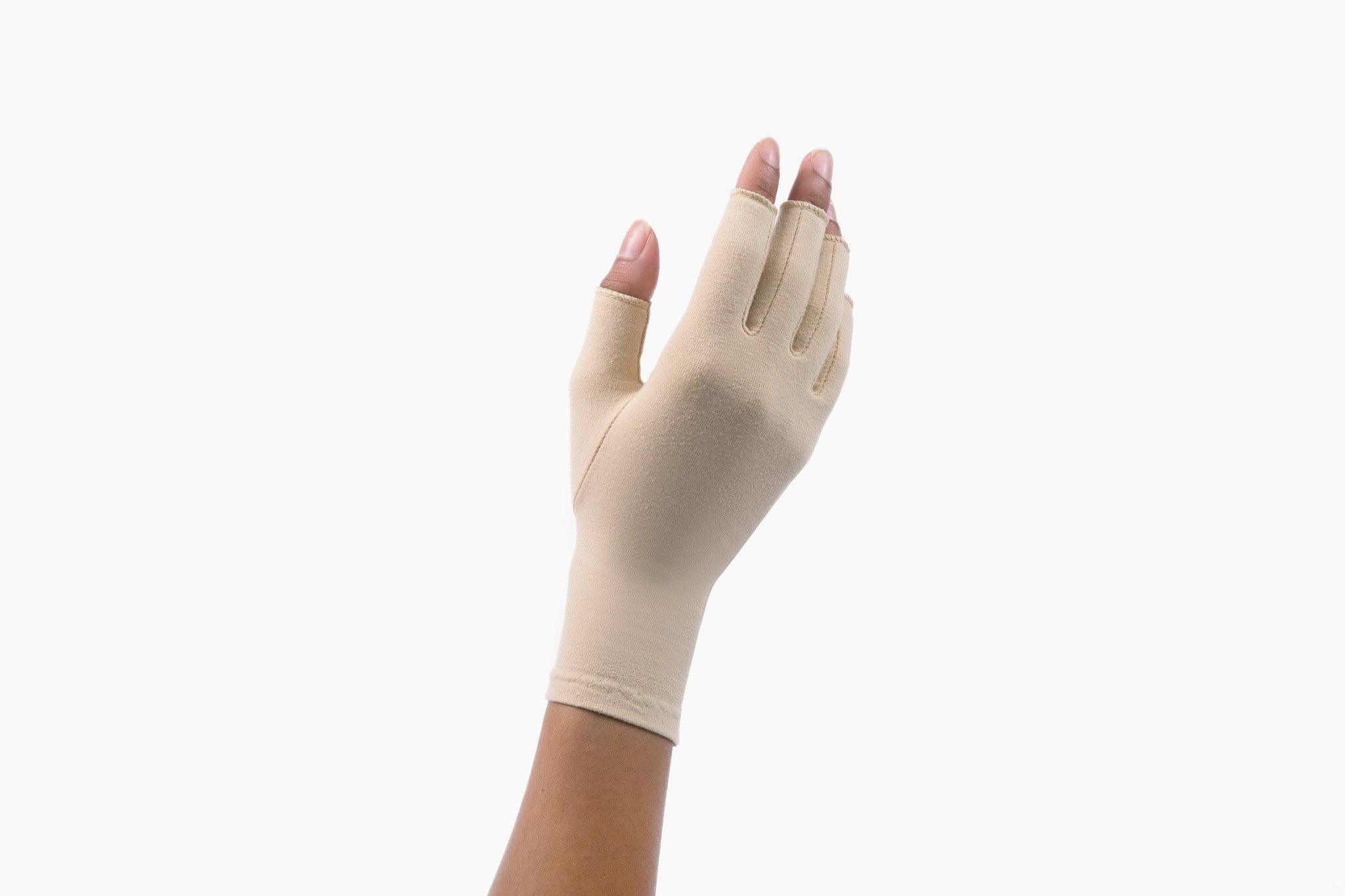
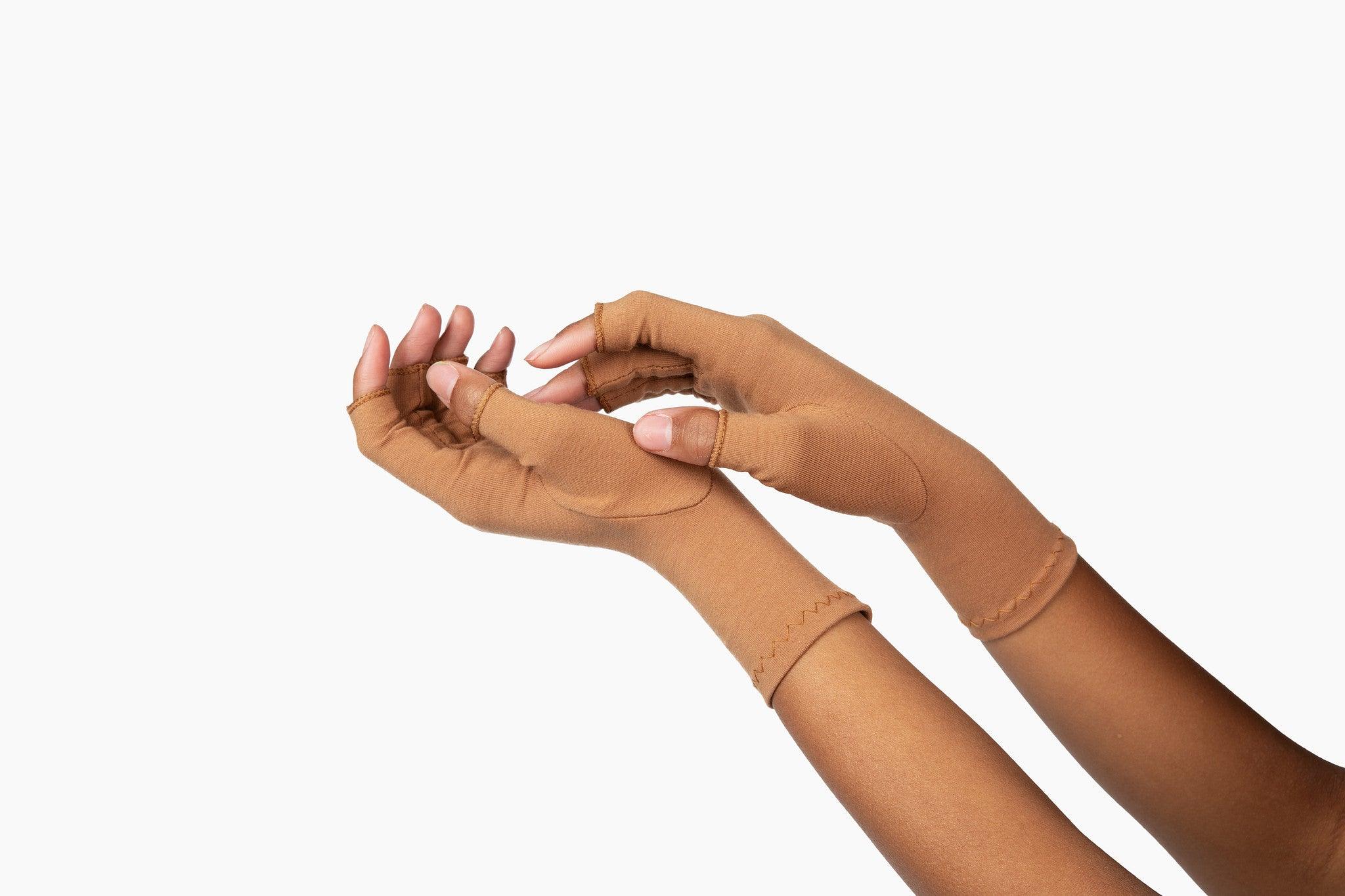
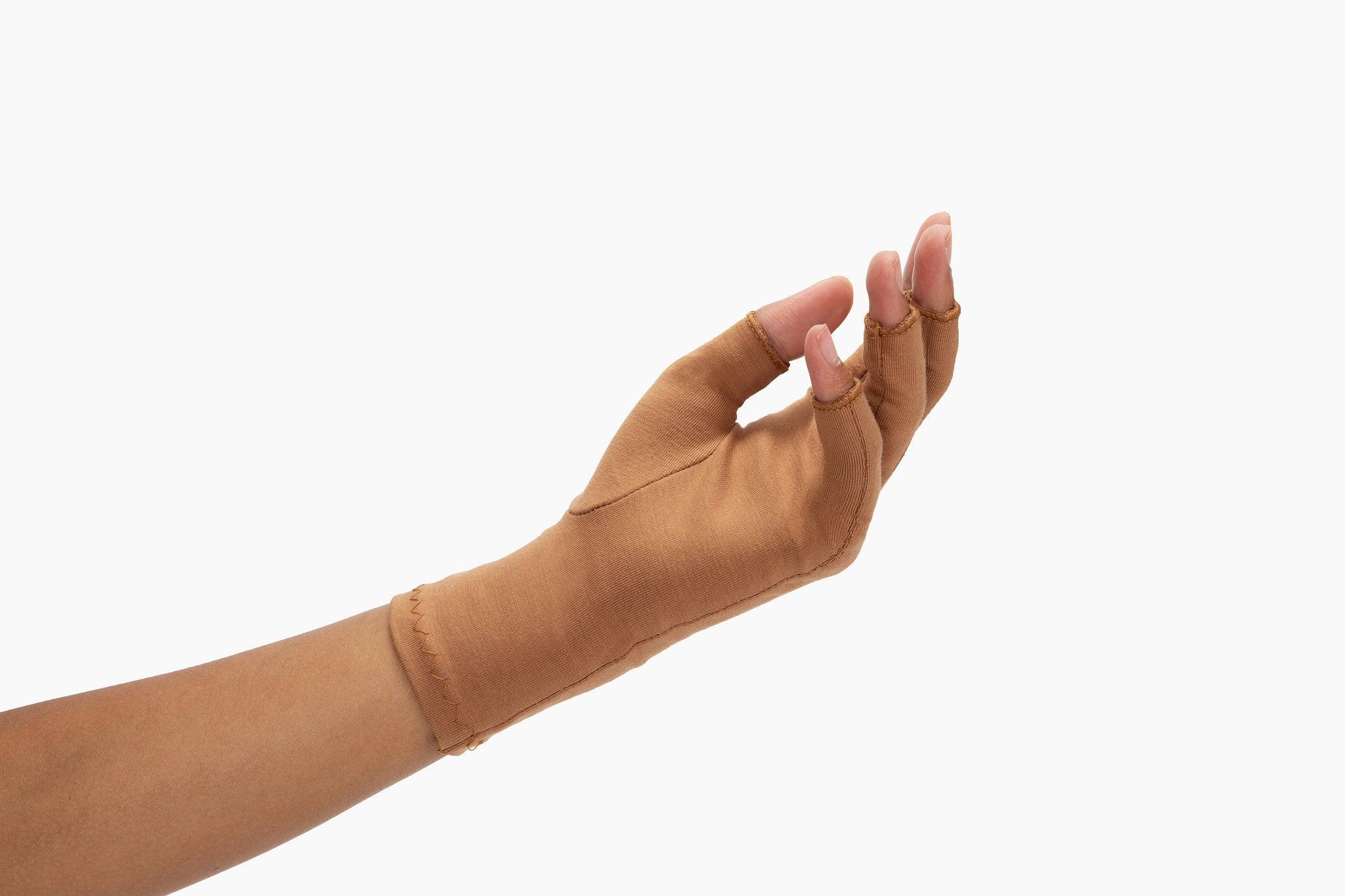
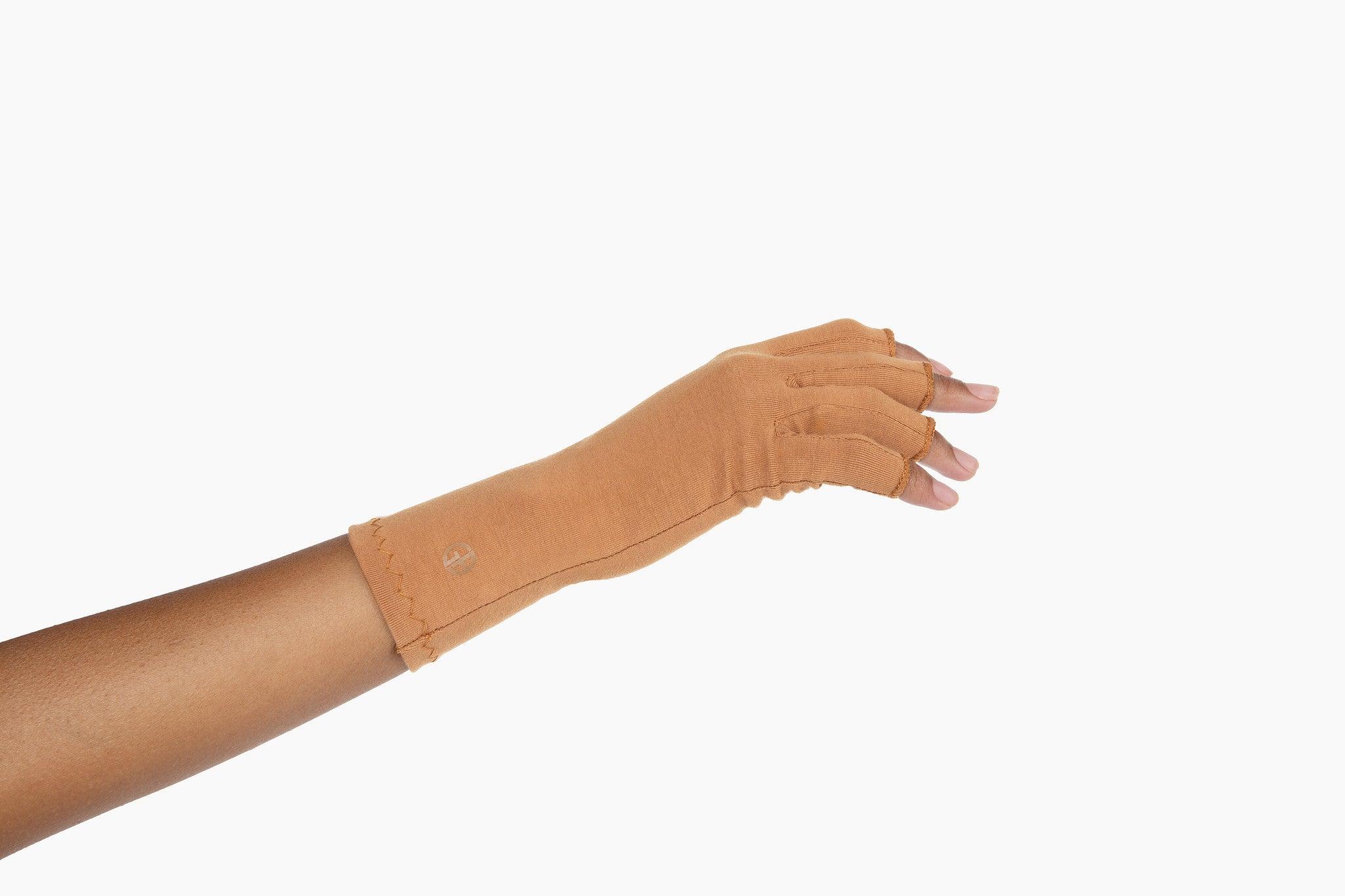
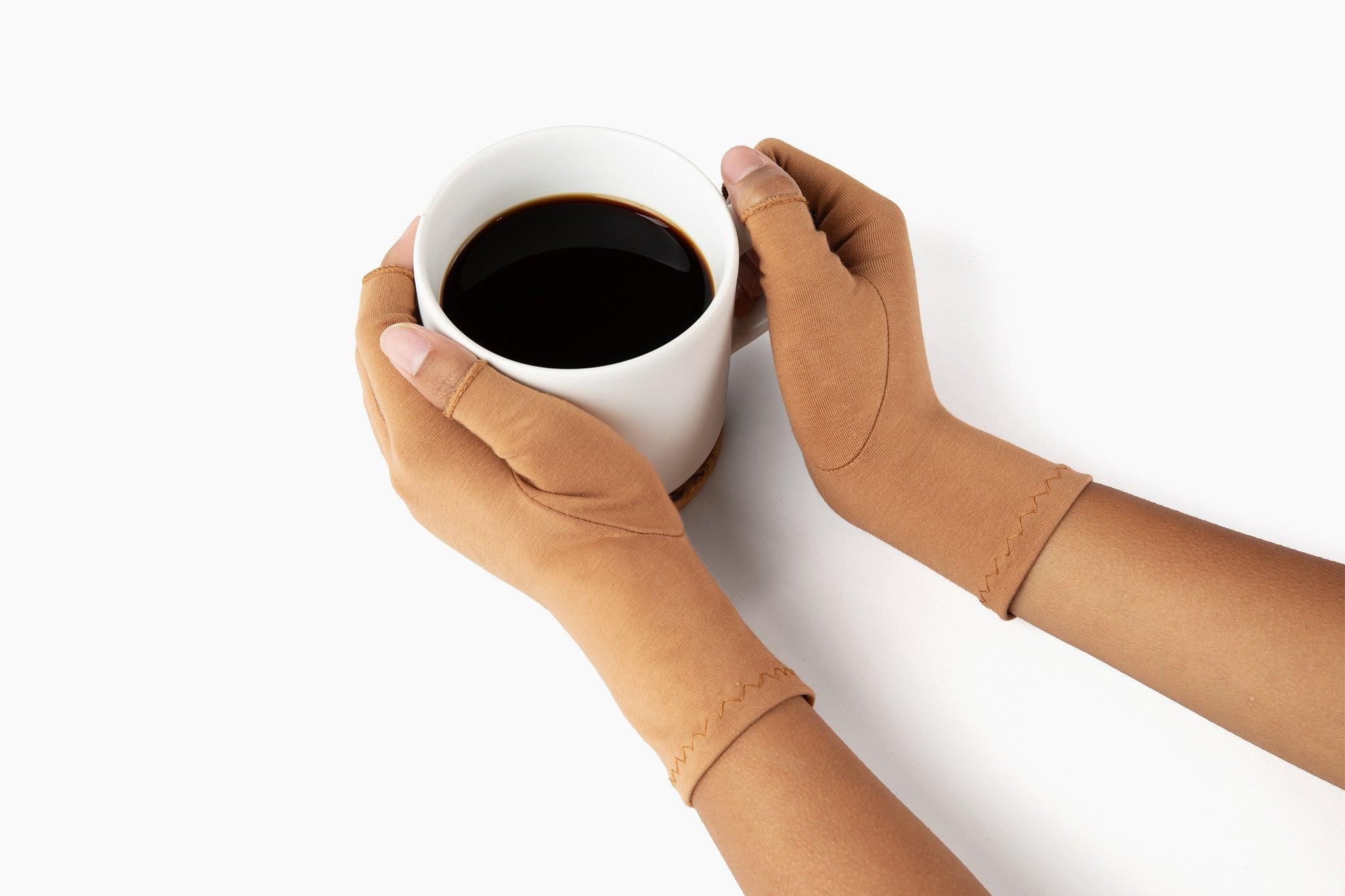
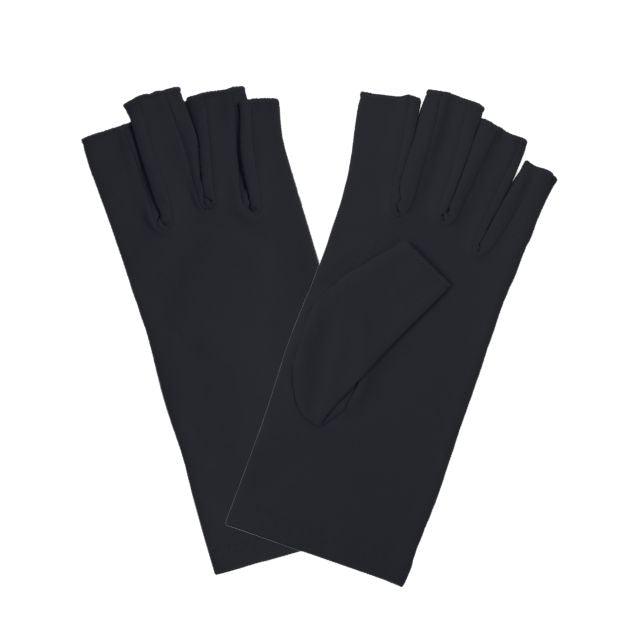
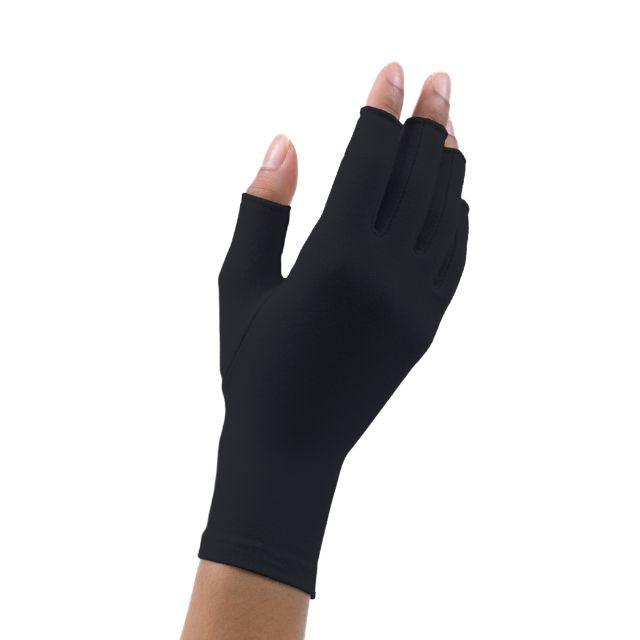
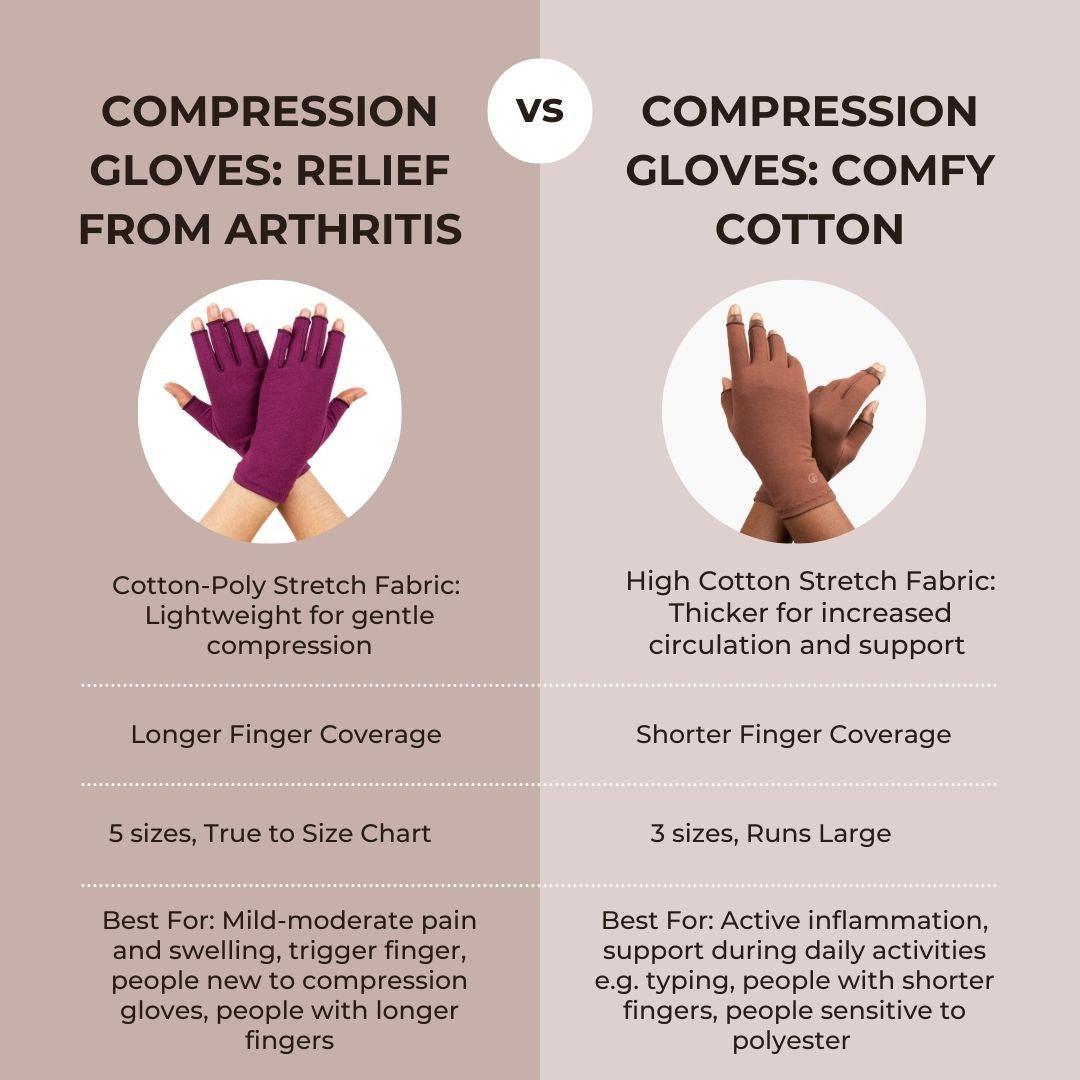
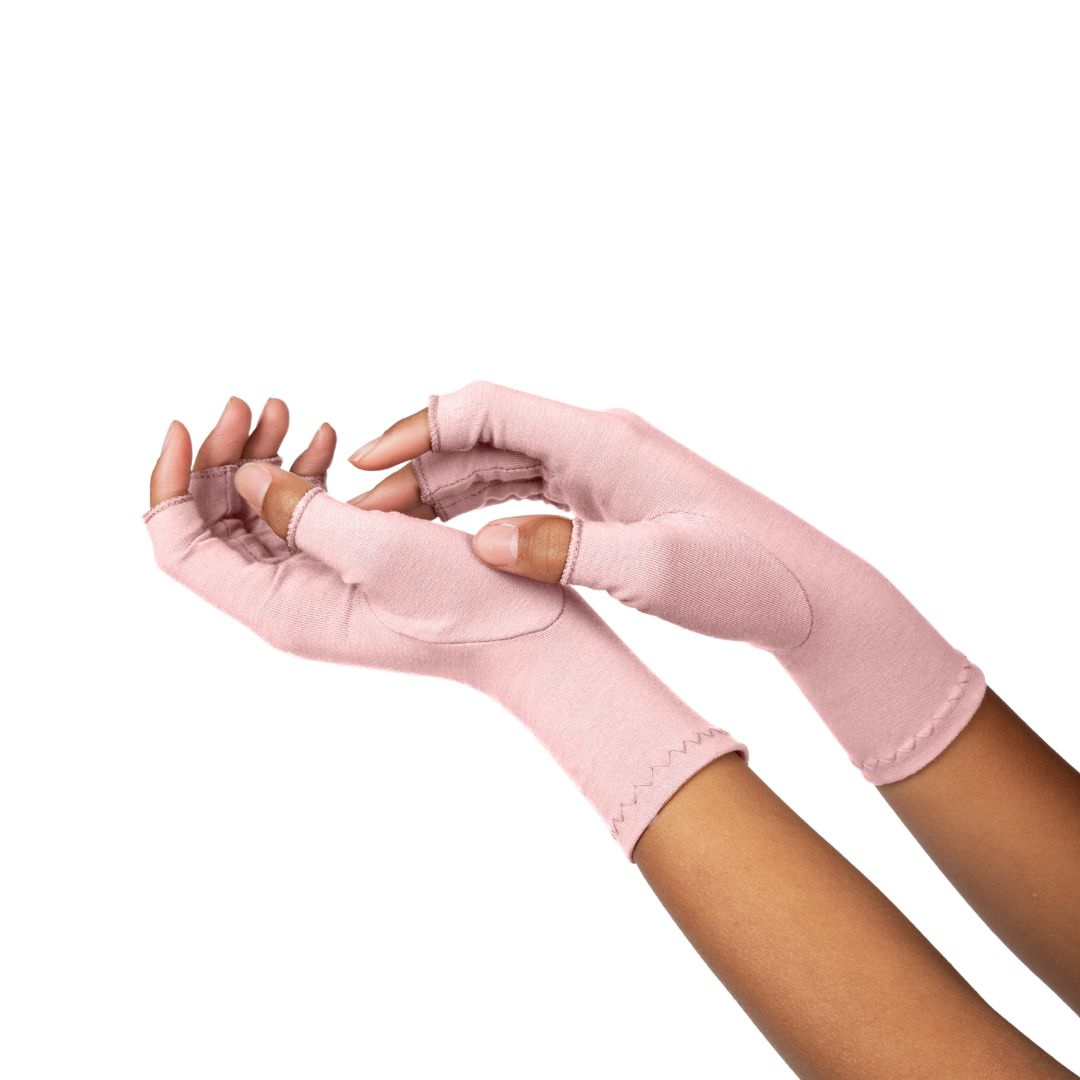
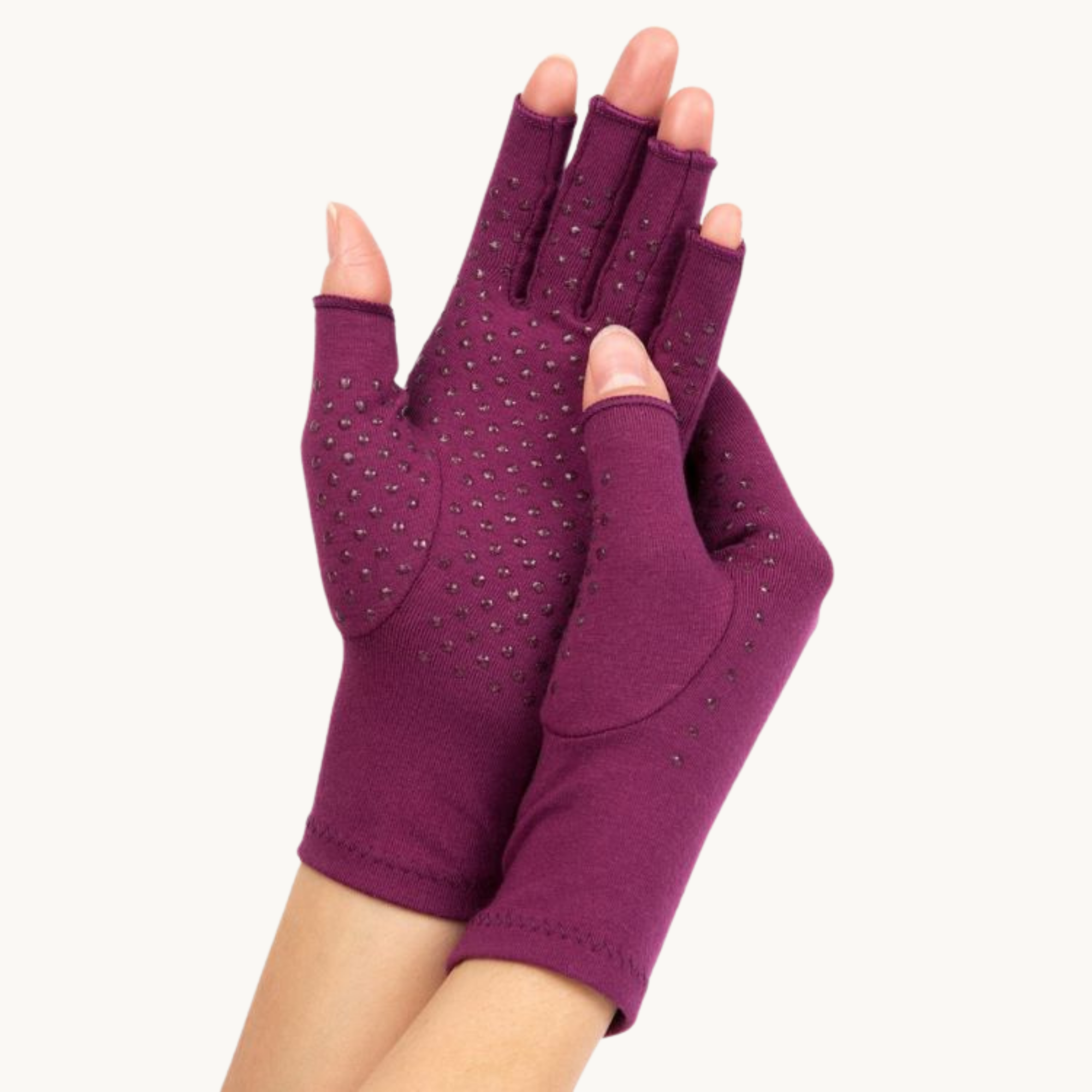
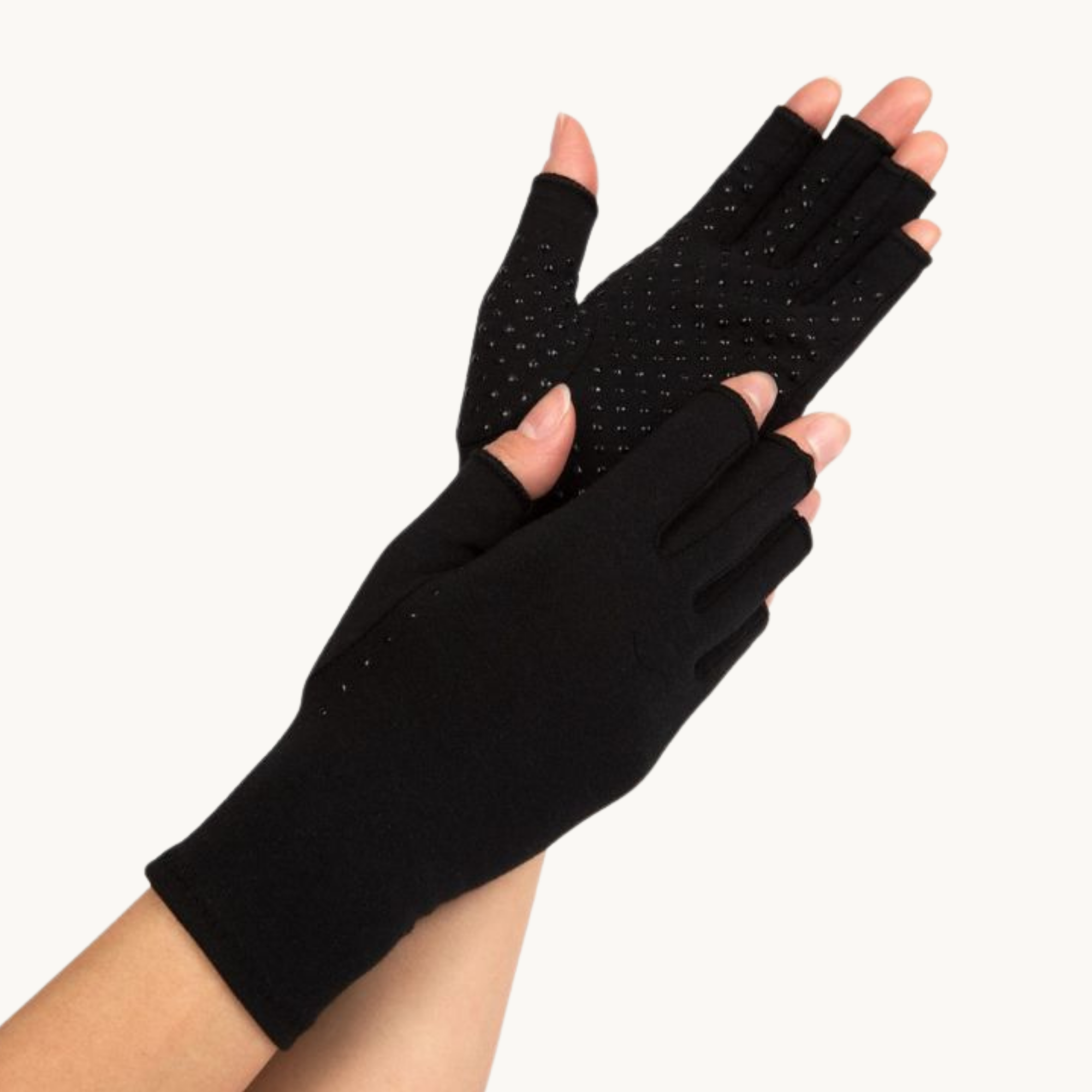
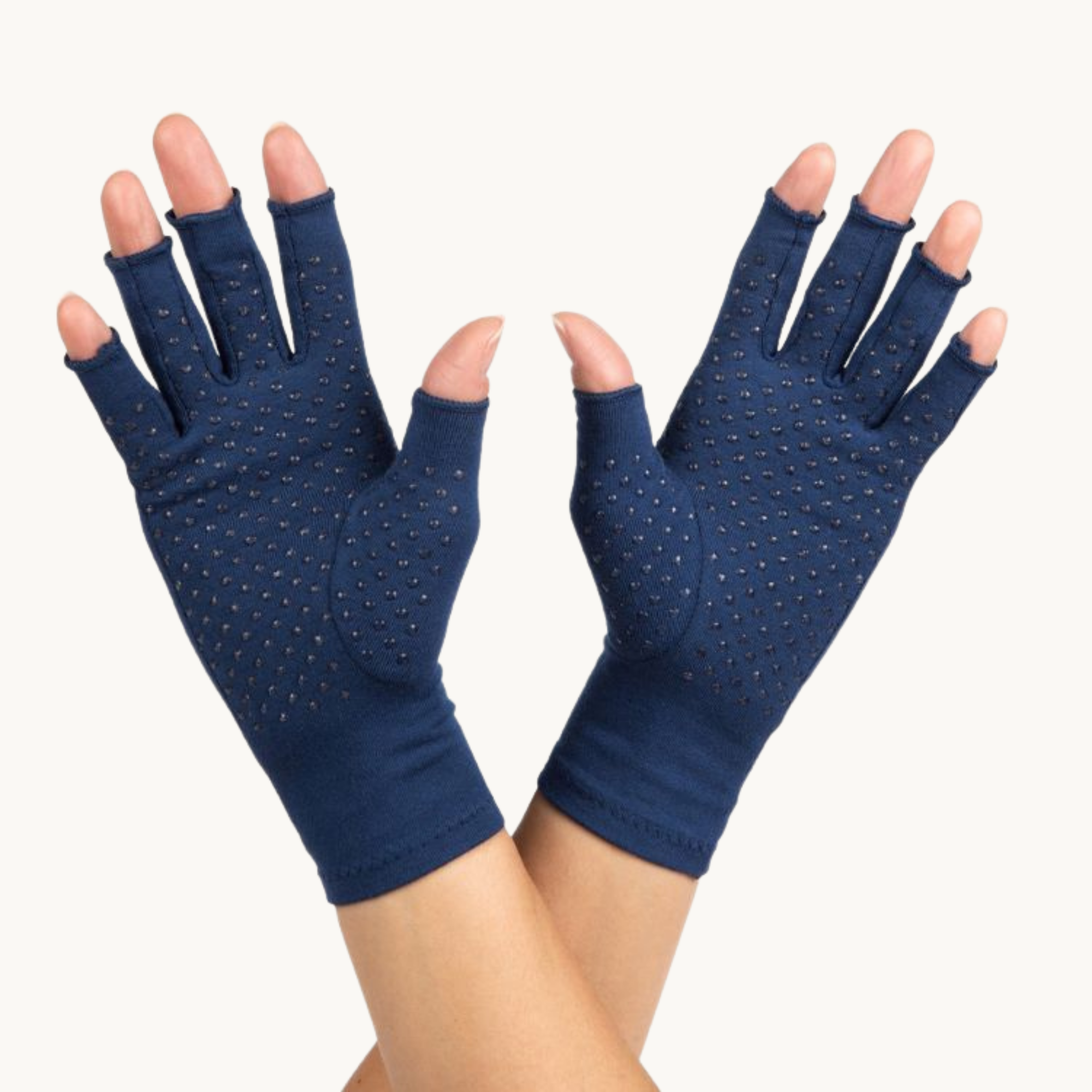
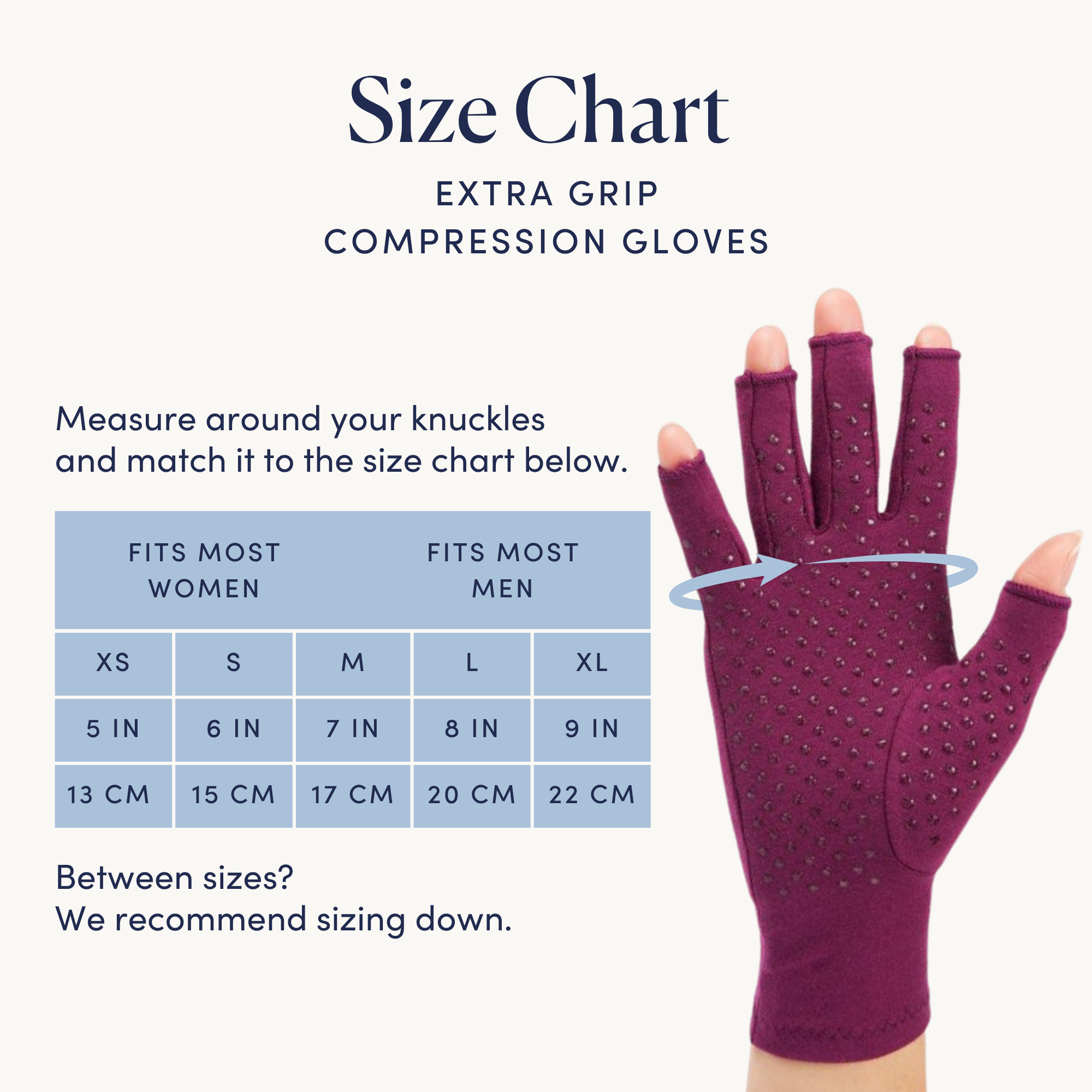
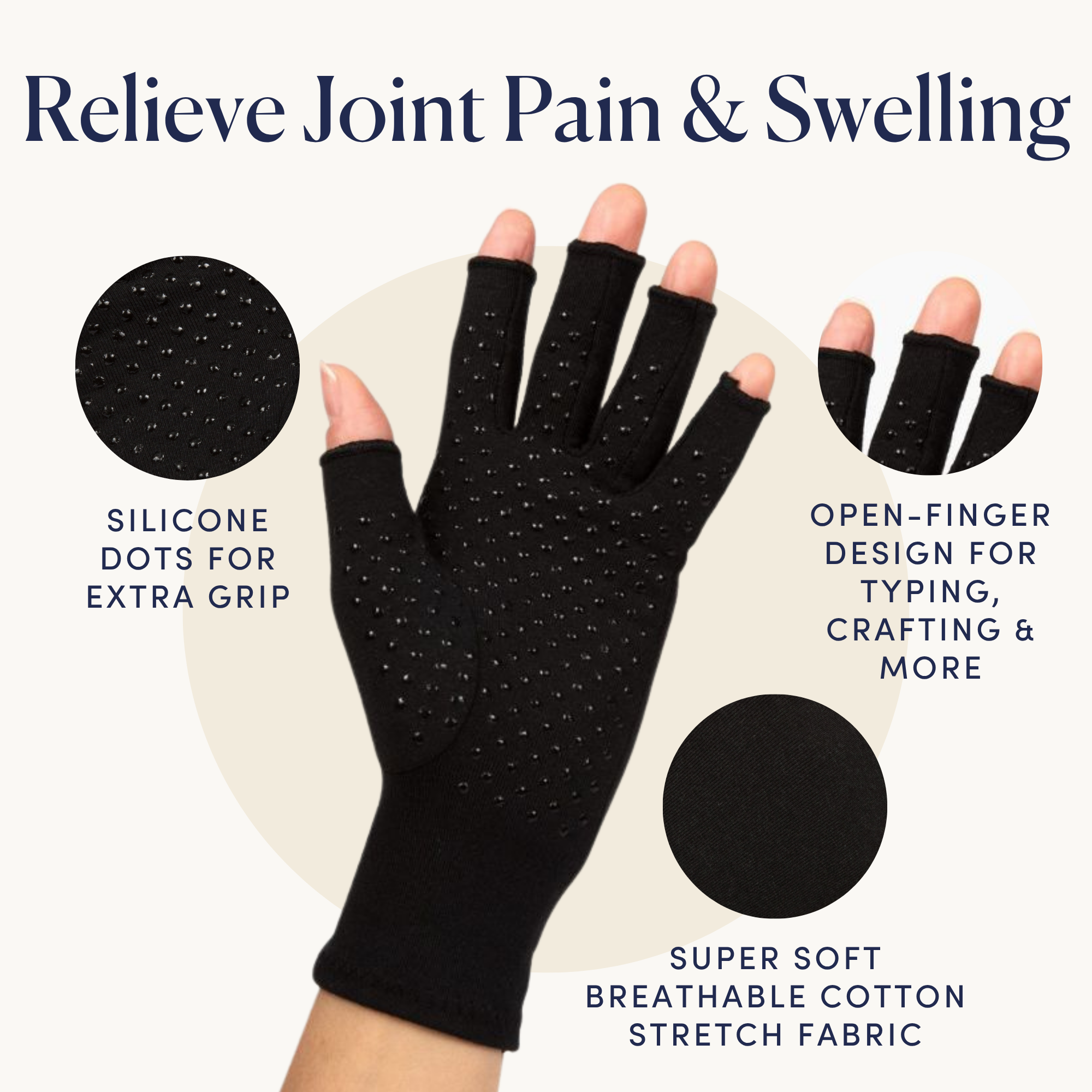
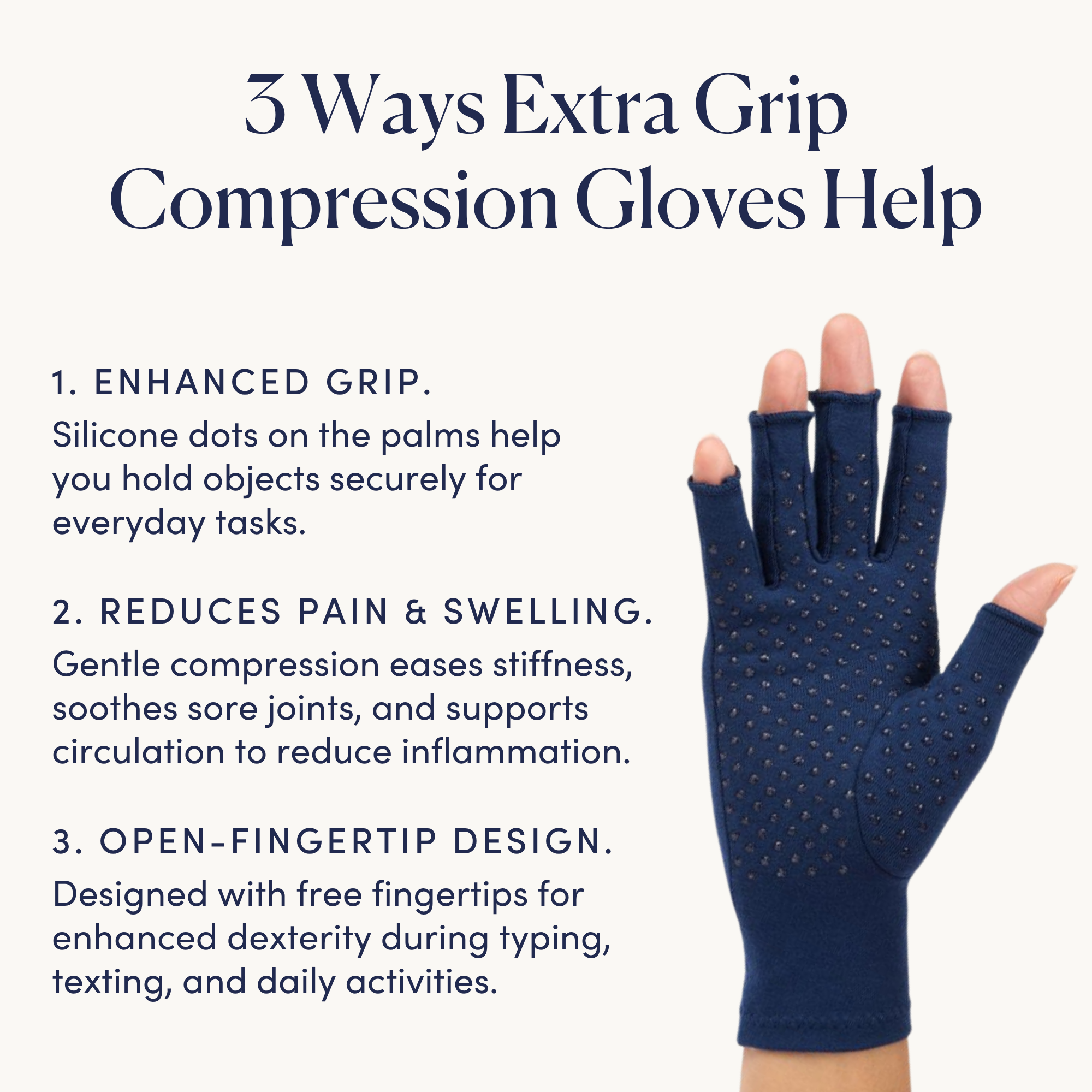
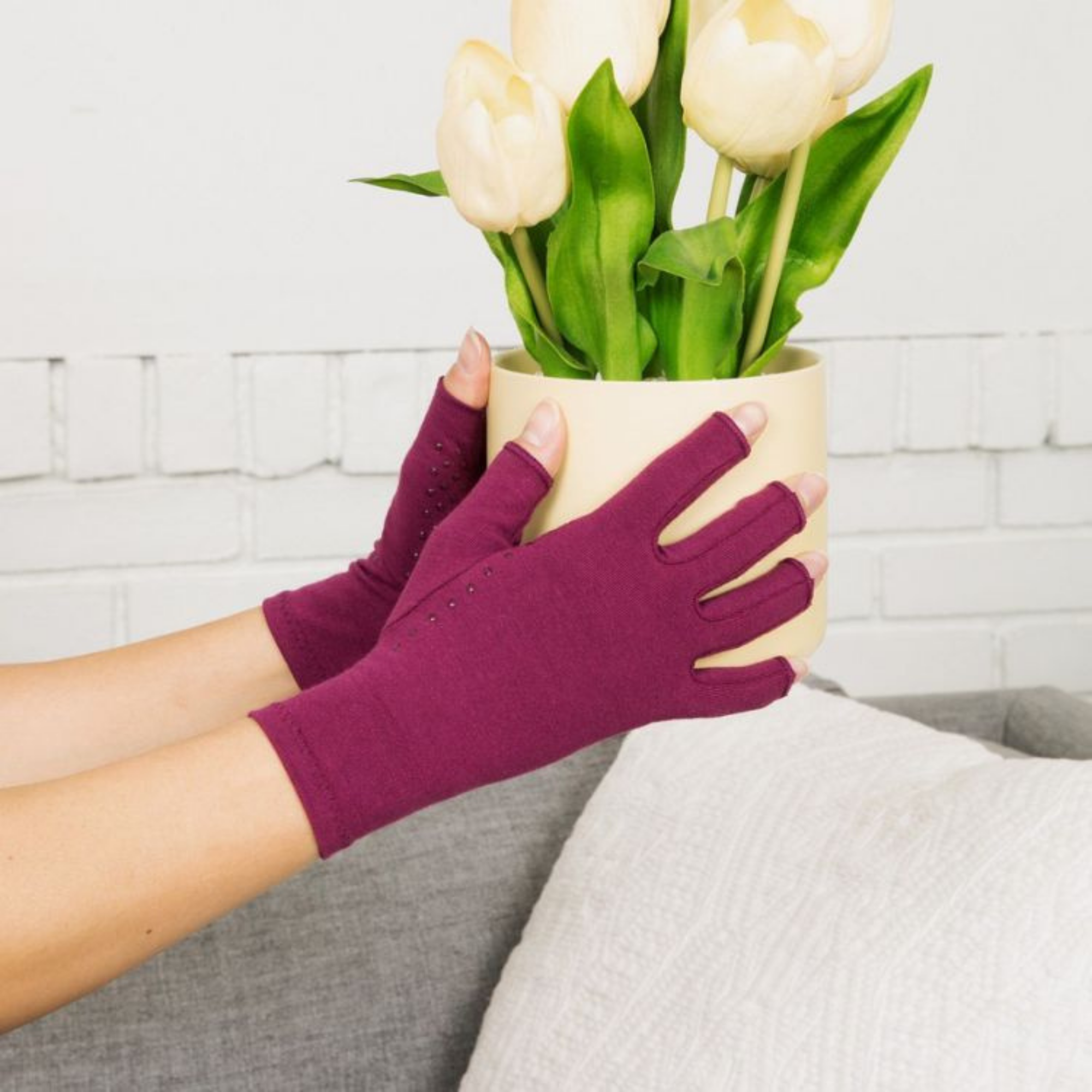
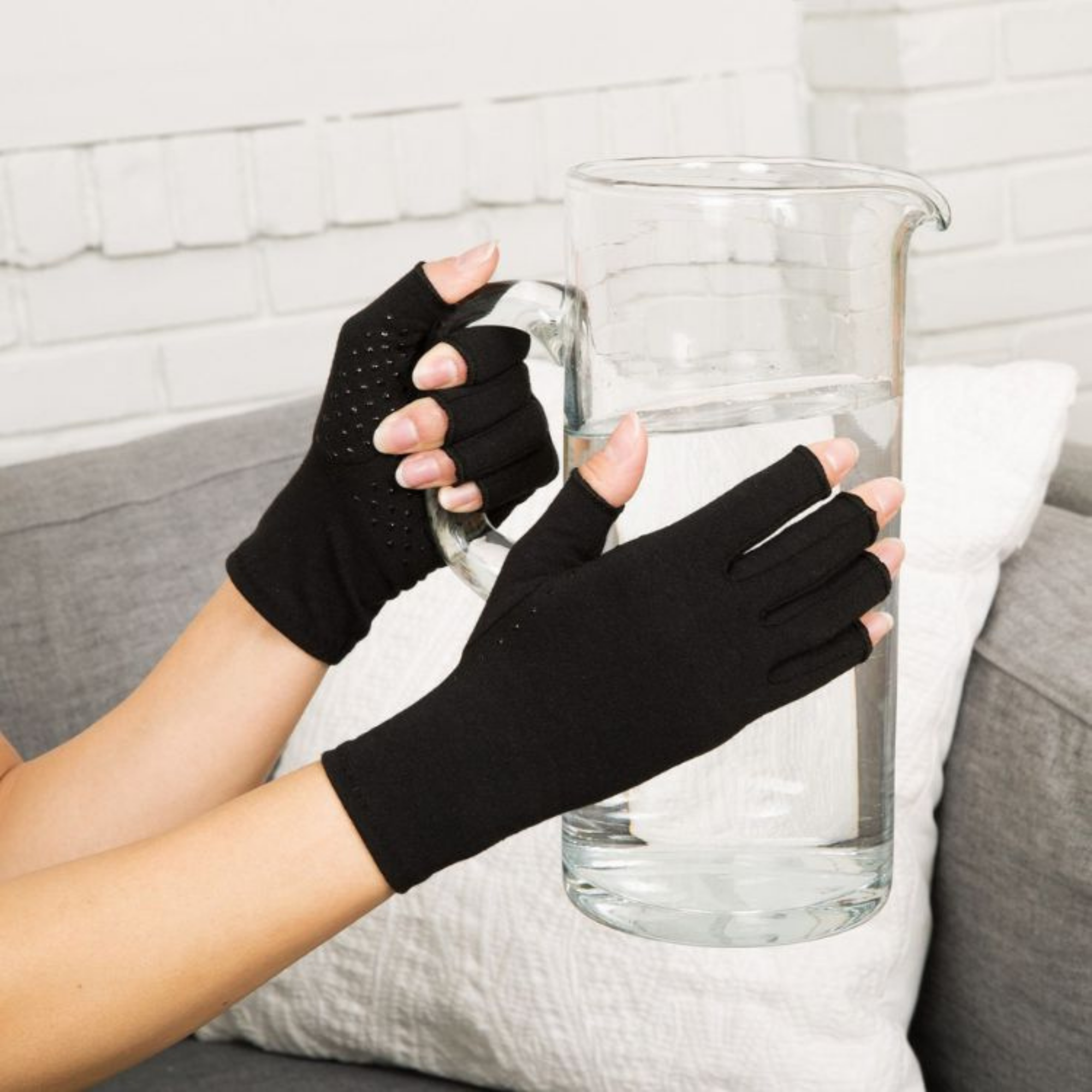
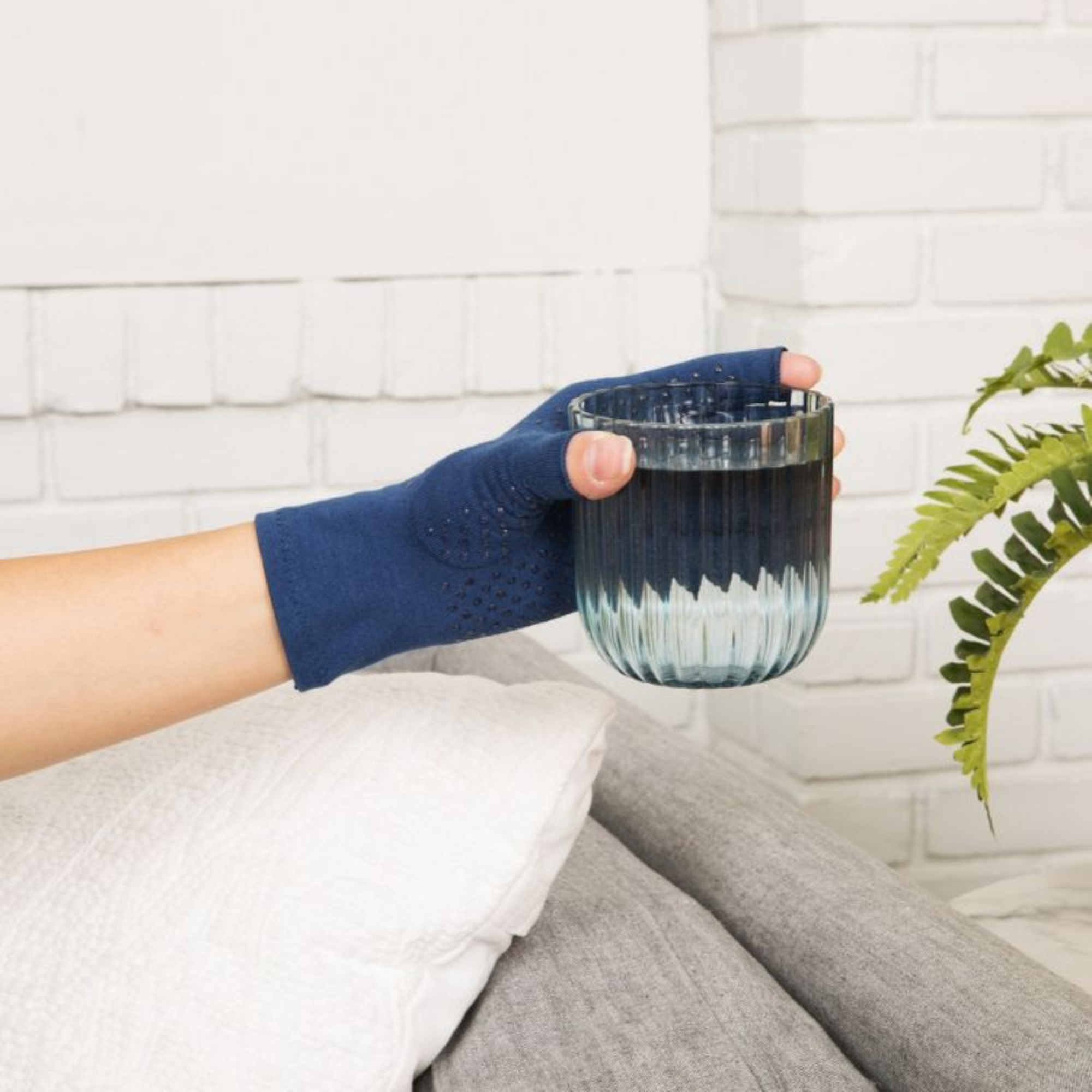
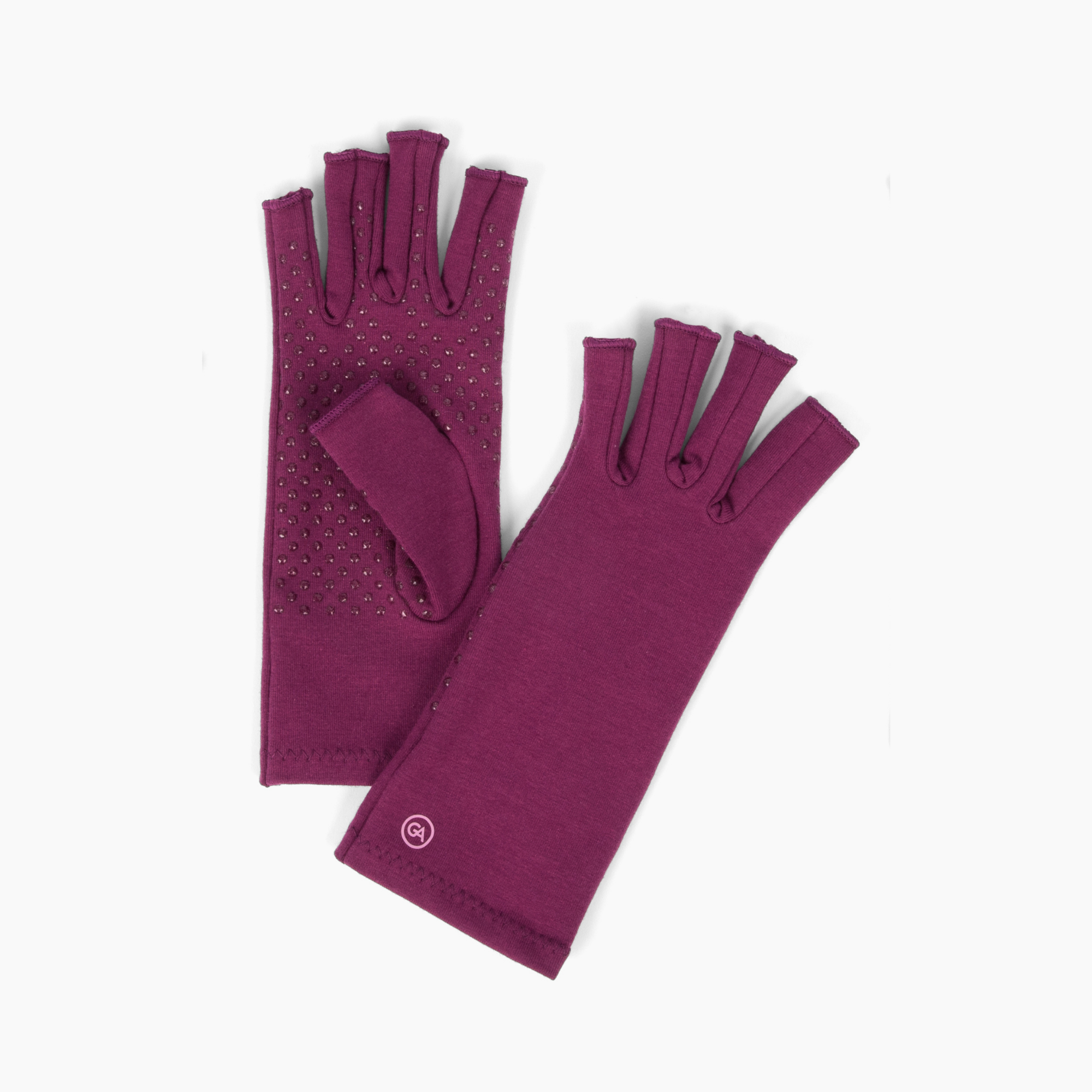
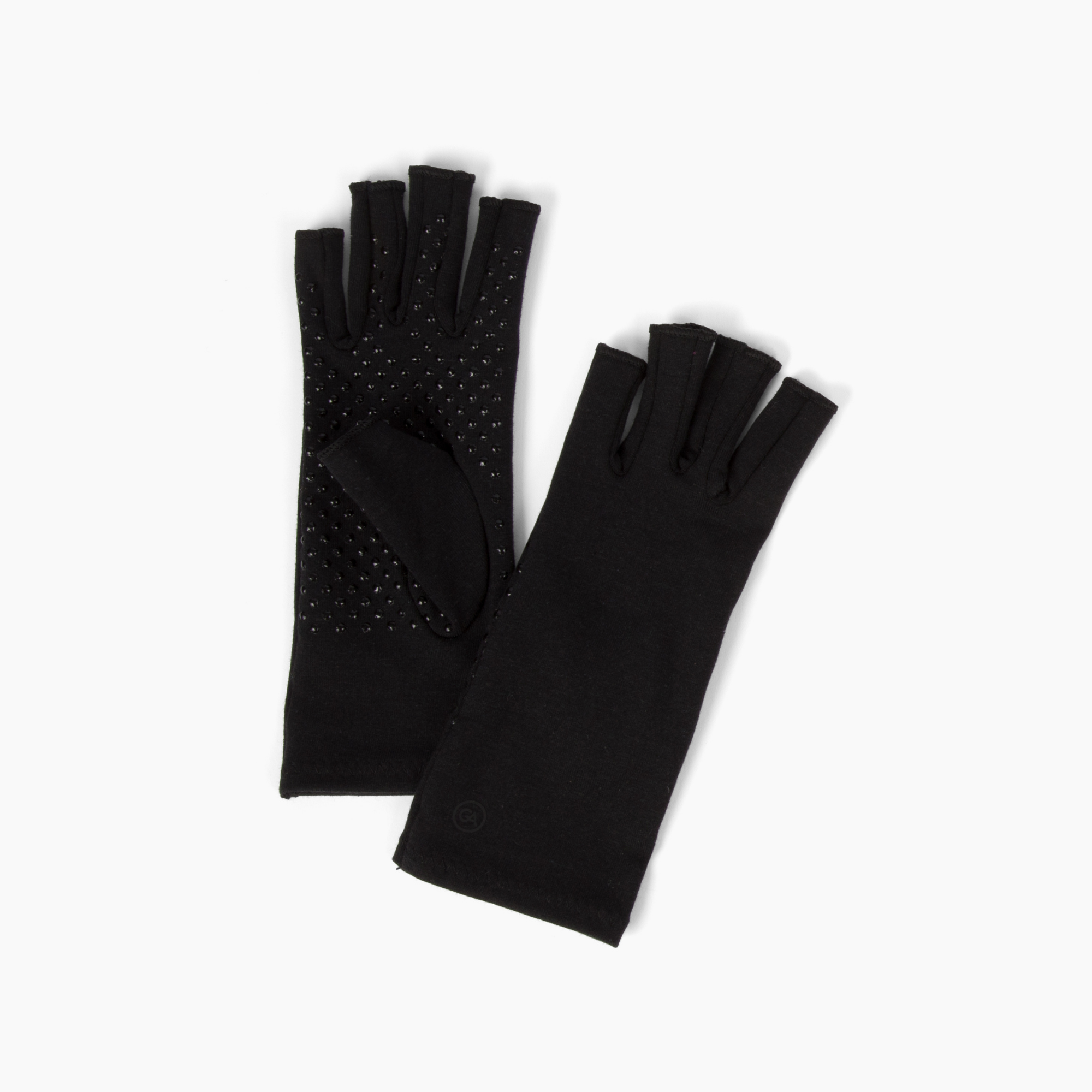
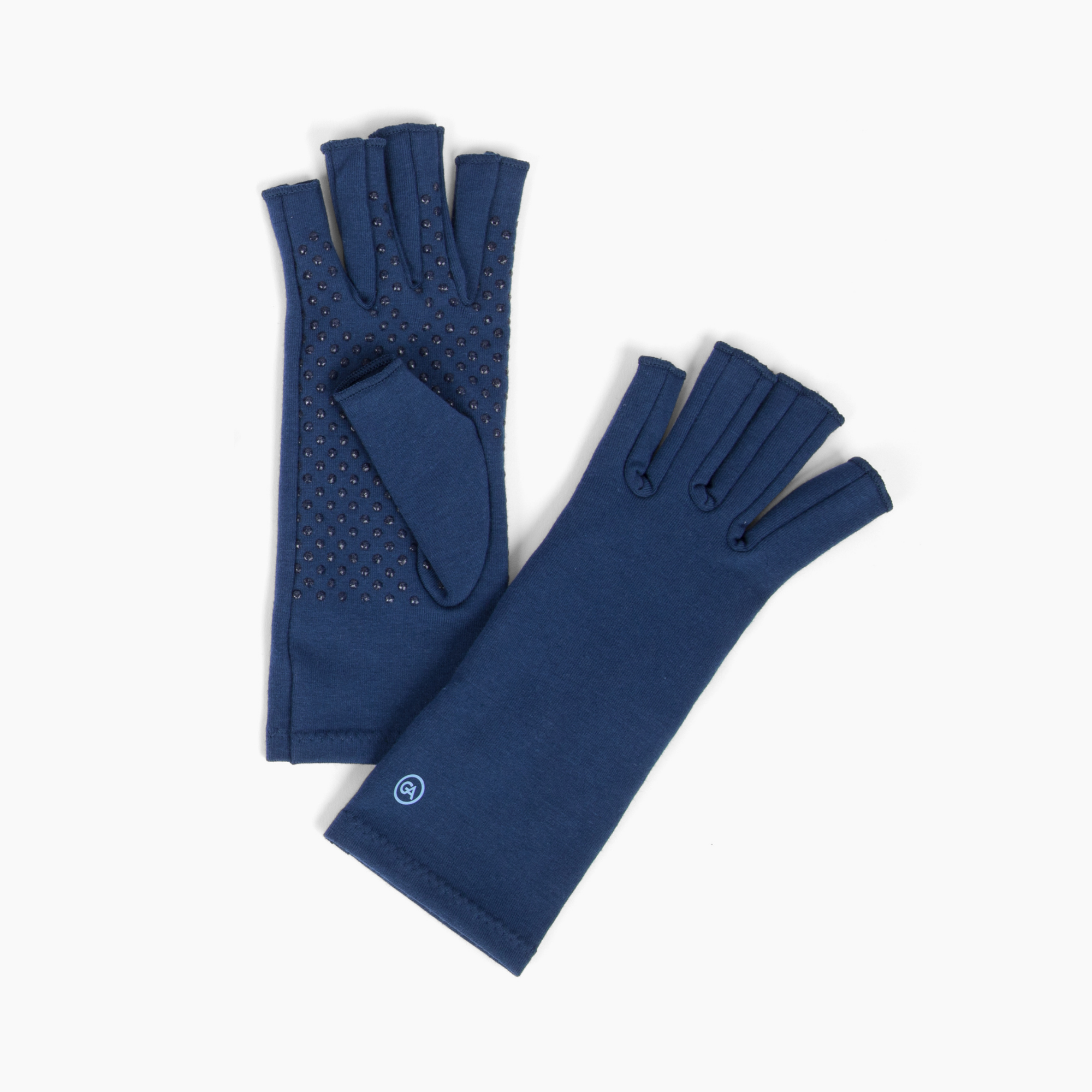
Use tools that feel comfortable in your hand and take regular breaks. Grace & Able Extra Grip Compression Gloves can also provide gentle compression and enhanced grip for tasks like pruning, lifting, and carrying.
2. Support your neck
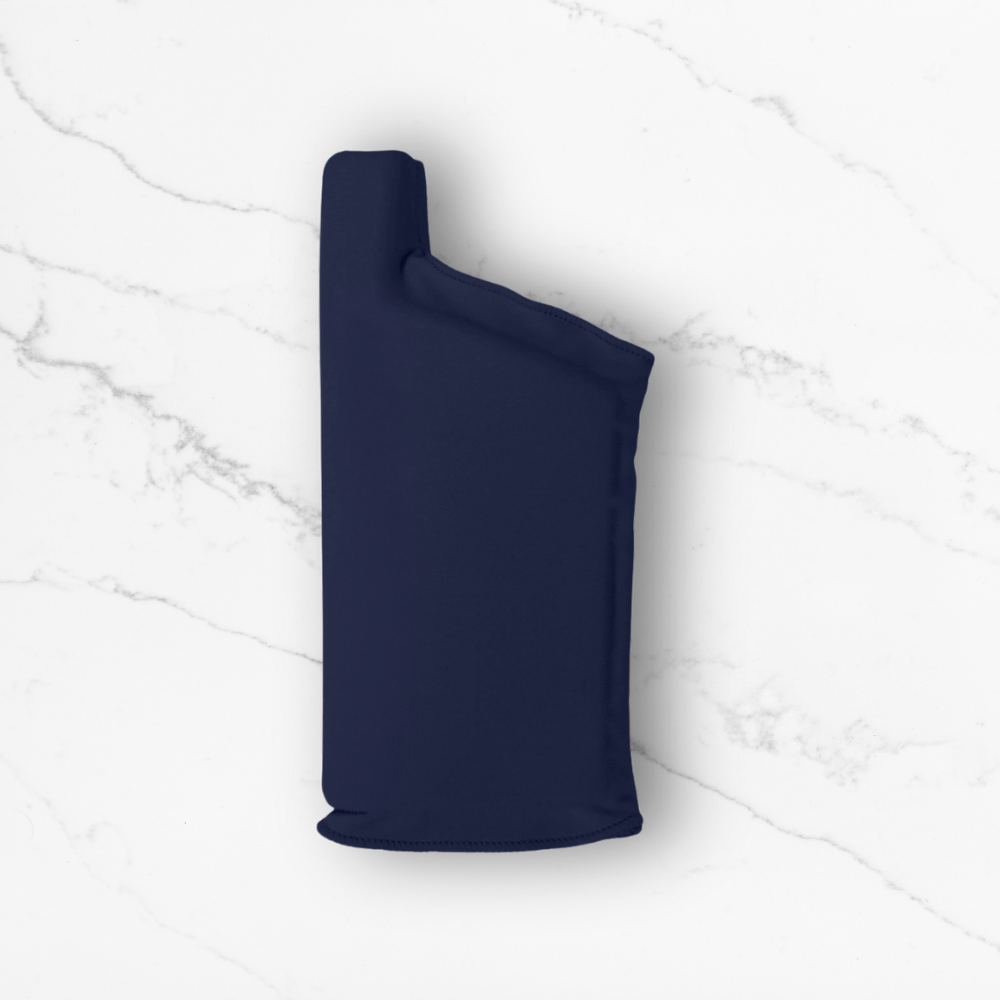
Change positions often and take short stretching breaks throughout your gardening session. Grace & Able Cooling Neck Wrap can provide soothing cooling comfort for tired, overworked neck muscles.
3. Pace yourself
Break longer gardening sessions into smaller periods and give your body time to rest. Alternating between different tasks can also help reduce repetitive movements.
4. Move regularly
Stretch your fingers, wrists, shoulders, and neck throughout your gardening session. Even a few minutes of movement between tasks can help ease stiffness and keep you feeling more comfortable as you work.
5. Support your body when needed
Whether it's ergonomic tools, supportive gloves, or cooling therapy, the right products can help make repetitive gardening activities feel more manageable so you can keep enjoying time in your garden.
Keep Gardening Comfortably
Gardening should be something you look forward to, not something that leaves you feeling worn out afterward. By paying attention to posture, grip, pacing, and recovery, you can continue spending time in your garden while taking better care of your hands, wrists, and neck.
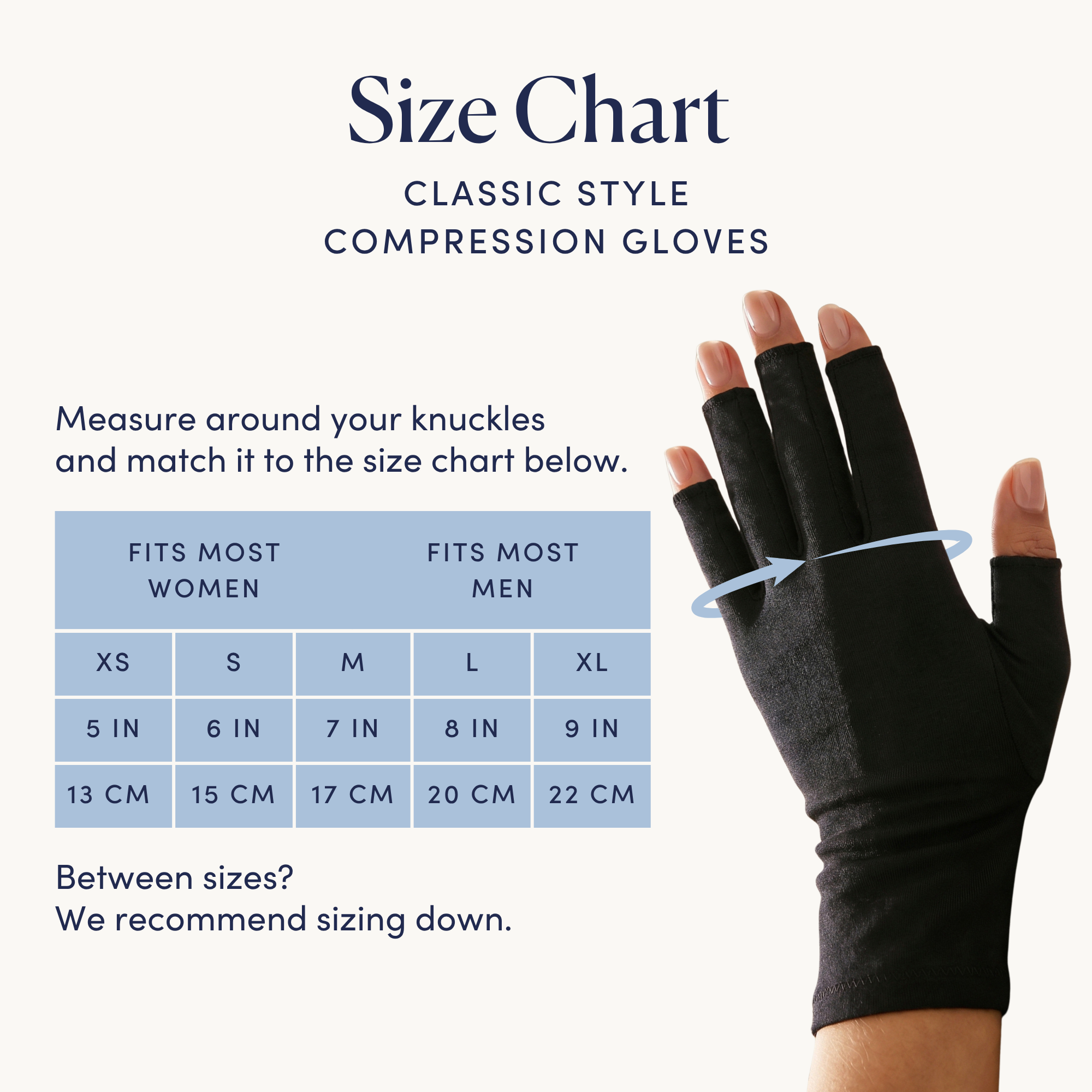
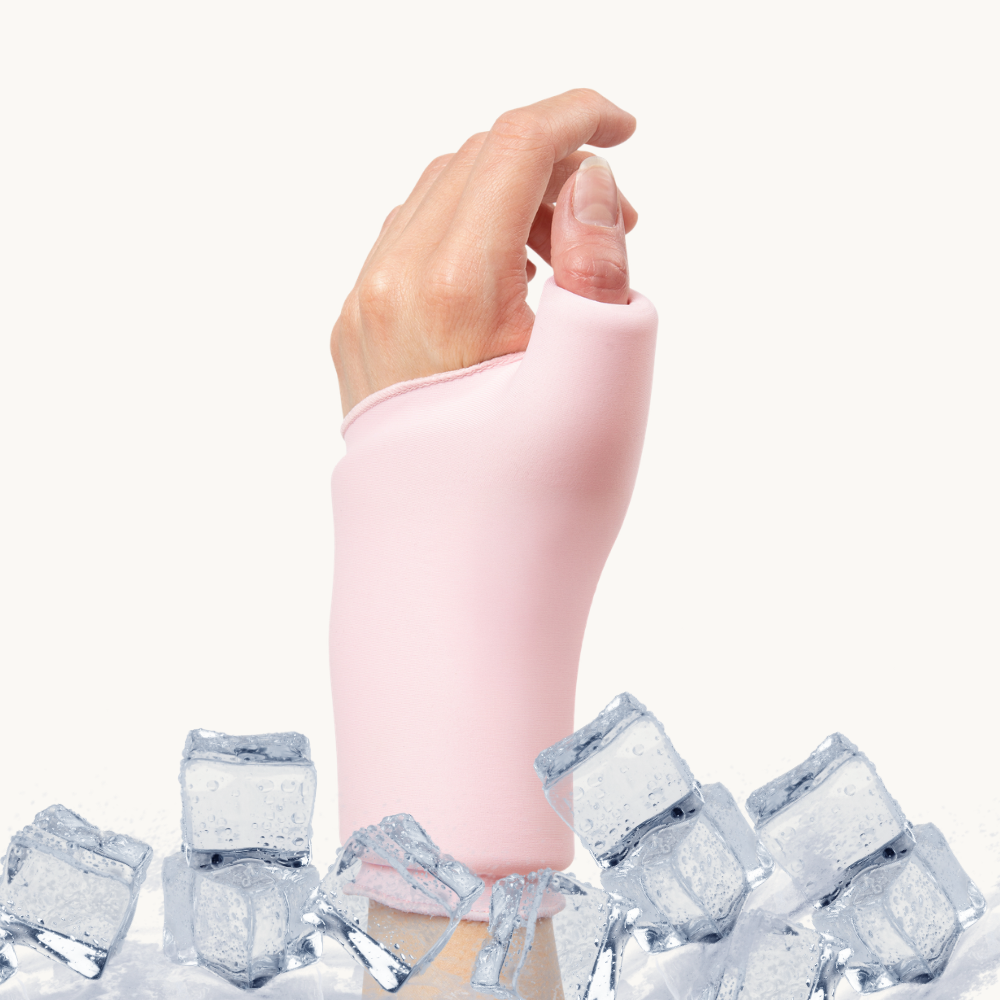
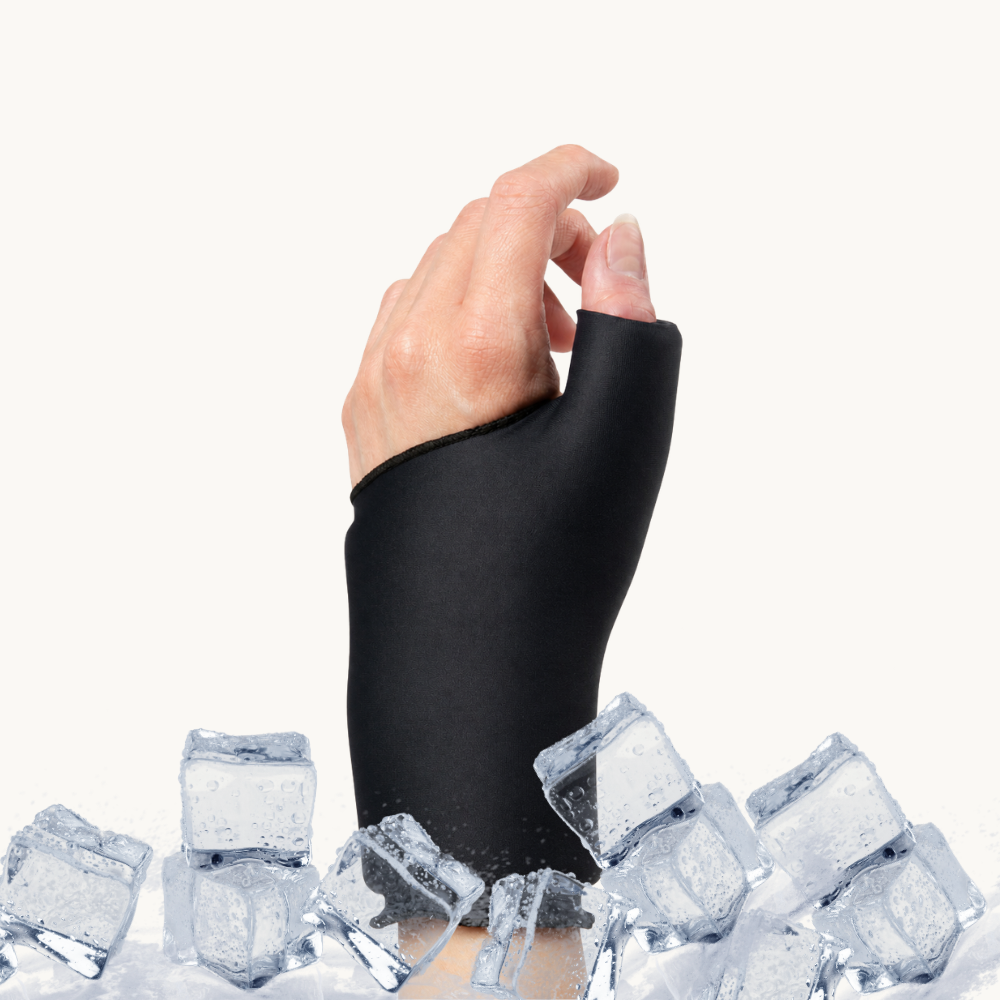
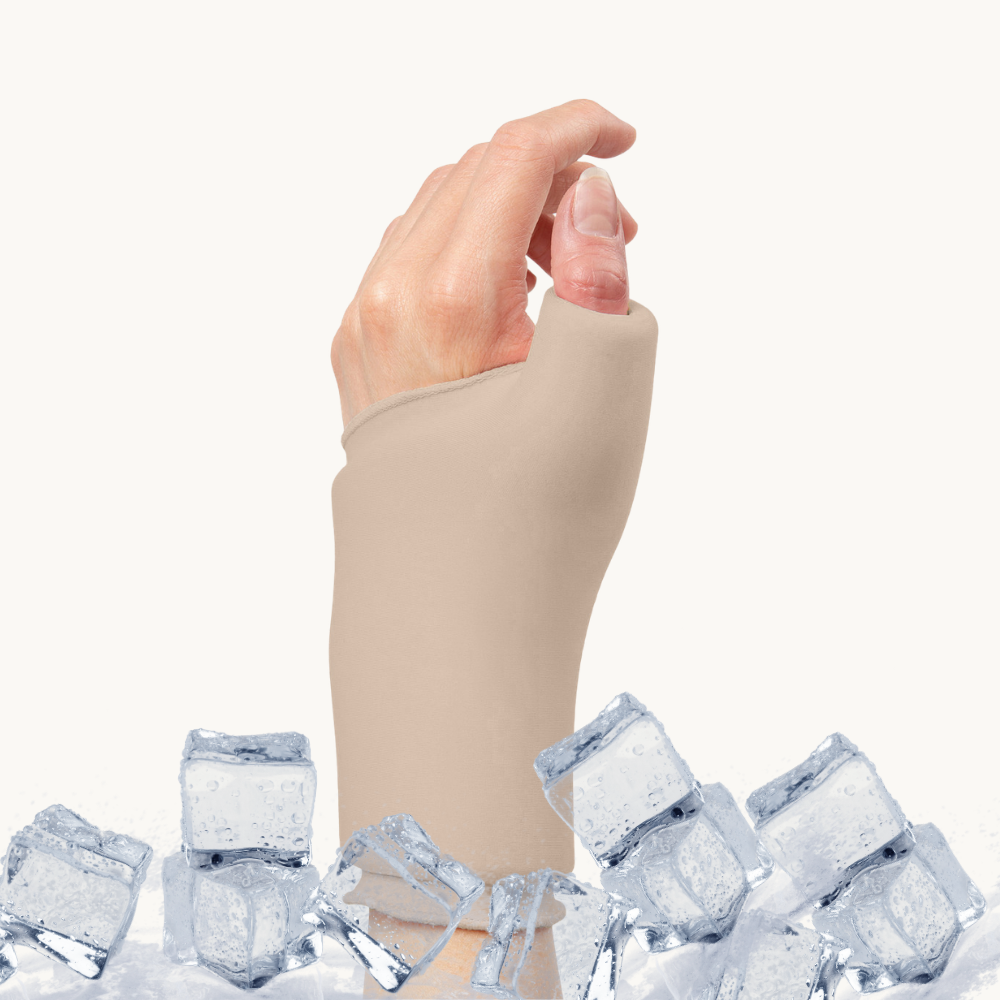
Because staying active isn't about doing less, it's about finding ways to keep doing what you love. For a little extra everyday support, enjoy BUY 2 TAKE 1 FREE on select Classic Compression Gloves during National Wellness Month.
Shop the Collection →


Share and get 15% off!
Simply share this product on one of the following social networks and you will unlock 15% off!