























































































Often mistaken for “regular” arthritis—but it behaves very differently in the body.
Today is World Autoimmune Arthritis Day, a day dedicated to raising awareness about a group of conditions that are often misunderstood and frequently mistaken for what many people think of as “regular” arthritis.
When people hear the word arthritis, they often imagine something that simply happens with age: joints becoming stiff after years of use, discomfort gradually appearing over time, or changes associated with wear and tear. While that can be true for some forms of arthritis, autoimmune arthritis works very differently.
The distinction matters because understanding why symptoms happen can help people better understand their experiences—and help create more awareness around the realities of living with autoimmune conditions.
Arthritis Is Not Just One Condition
The word arthritis is actually an umbrella term used to describe many different conditions that affect the joints. There are over 100 forms of arthritis, and they do not all behave in the same way.
Two broad categories people often hear about include:
Wear-and-tear arthritis (often osteoarthritis)
and
Autoimmune inflammatory arthritis
While both can involve pain, stiffness, swelling, and limitations in movement, what causes these symptoms—and how they appear in daily life—can be very different.
What Happens in Wear-and-Tear Arthritis?
Wear-and-tear arthritis, commonly known as osteoarthritis, typically develops gradually over time.
Our joints contain protective cartilage that cushions movement. As years pass, that cartilage can naturally change and wear down. Repetitive use, aging, injuries, genetics, and joint stress can all contribute to these changes.
Symptoms often develop slowly and may include:
- Joint stiffness after inactivity
- Discomfort that worsens after activity
- Reduced flexibility
- Joint tenderness
- Changes that progress gradually over time
Many people notice a relatively predictable pattern. Certain activities may aggravate symptoms, while rest can often help.
Autoimmune Arthritis Follows a Different Path
Autoimmune arthritis begins with something entirely different: the immune system.
Normally, the immune system is designed to protect the body from harmful invaders like bacteria and viruses. But in autoimmune conditions, the immune system mistakenly identifies healthy tissues as a threat.
Instead of protecting the body, it starts attacking it.
In autoimmune arthritis, that attack often targets the joints and surrounding tissues, leading to inflammation.
This inflammation—not mechanical wear and tear—is what drives many symptoms.
Examples of autoimmune arthritis conditions include:
- Rheumatoid Arthritis
- Psoriatic Arthritis
- Juvenile Idiopathic Arthritis
- Ankylosing Spondylitis
Each condition has its own unique characteristics, but they share a common feature: the immune system plays a central role.
Why Symptoms Can Feel Unpredictable
One reason autoimmune arthritis can feel so different from what people expect arthritis to be is because symptoms do not always follow a steady pattern.
Many people describe periods where symptoms suddenly intensify, followed by periods where they improve.
These changes are often called flares.
During periods of increased inflammation, someone may experience:
- Increased joint pain
- Swelling
- Warmth around joints
- Fatigue
- Morning stiffness lasting longer than expected
- Greater difficulty with everyday activities
Then symptoms may ease, only to return again later.
This unpredictability can sometimes be one of the most difficult parts of living with autoimmune arthritis. Plans may change. Energy levels can shift unexpectedly. Activities that felt manageable one day may feel completely different the next.
For many people, the invisible nature of these changes can also be frustrating because symptoms may not always be obvious from the outside.
It Is Not “Just Joint Pain”
Another important difference is that autoimmune arthritis often extends beyond the joints themselves.
Because the immune system affects the body more broadly, many people experience symptoms that reach beyond what most associate with arthritis.
These can include:
- Fatigue that feels overwhelming
- Brain fog or difficulty concentrating
- General feelings of illness
- Eye symptoms
- Skin changes
- Muscle weakness
- Fluctuations in energy levels
Many people living with autoimmune arthritis describe fatigue as one of the most challenging symptoms—sometimes even more difficult than pain itself.
This can be surprising to people who assume arthritis only affects hands, knees, or fingers.
Women Are Disproportionately Affected
One important but less discussed reality is that autoimmune arthritis affects women at significantly higher rates.
Around 80% of people living with autoimmune diseases are women, depending on the condition and research population studied.
Many women continue balancing:
- Careers
- Parenting
- Caregiving responsibilities
- Household tasks
- Community involvement
- Hobbies and social activities
All while navigating changing symptoms that may not always be visible to others.
Many become experts at adapting quietly—adjusting routines, pacing activities, and learning how to work with their bodies instead of against them.
Why Awareness Matters
Because autoimmune arthritis symptoms can look different from traditional expectations, people sometimes experience delays in understanding what they are feeling.
Pain that comes and goes may be dismissed.
Fatigue may be attributed to stress.
Morning stiffness may be brushed off as normal aging.
Swollen fingers may seem temporary.
Awareness helps create more informed conversations—not only around diagnosis, but around support, understanding, and compassion.
World Autoimmune Arthritis Day exists in part to remind us that not all arthritis follows the same path.
The experience is often more complex than many realize.
Supporting Joint Health Through Everyday Awareness
Living with joint discomfort often means becoming more aware of how joints are used throughout daily routines.
Small moments add up:
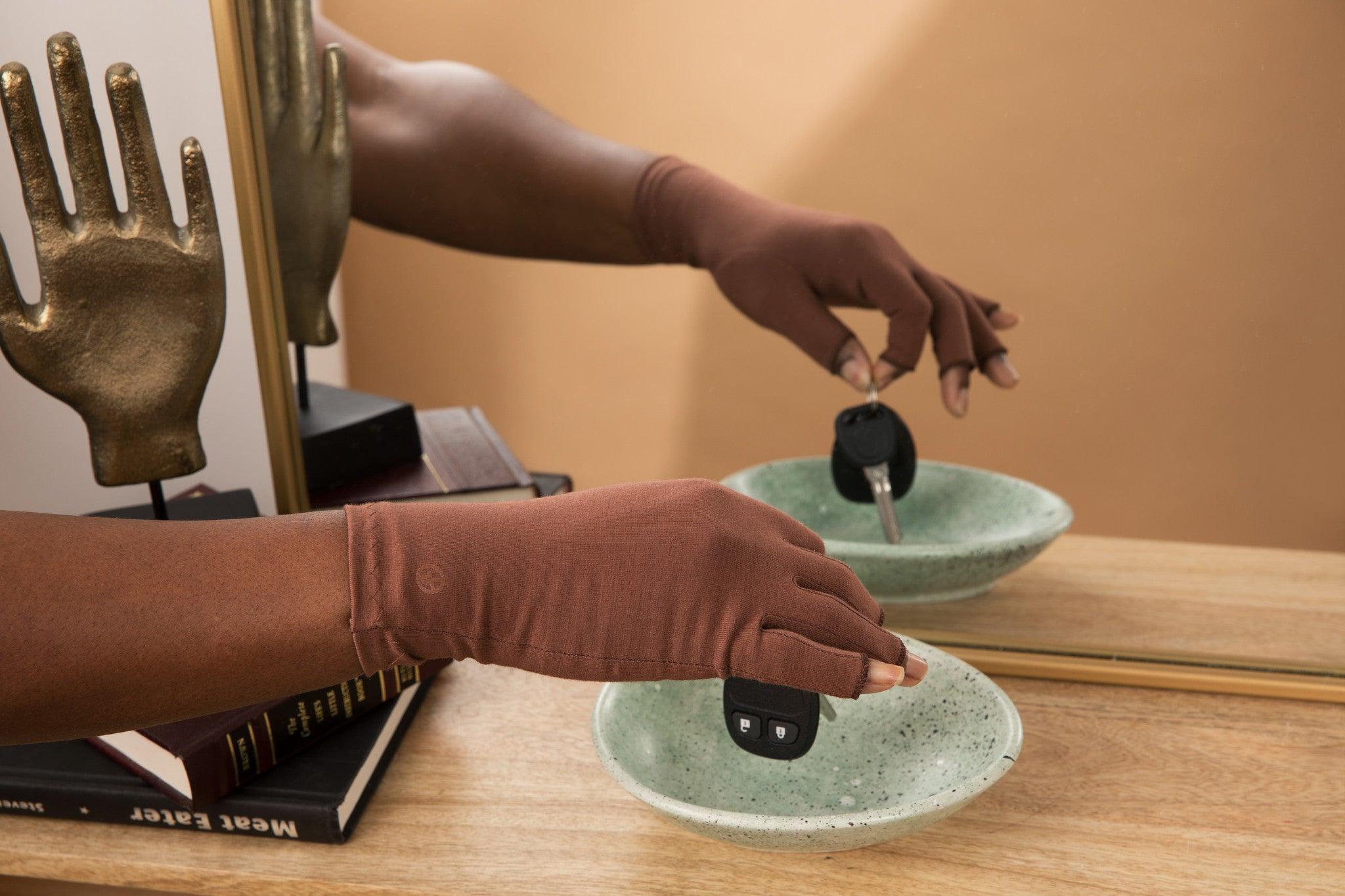
Typing. Cooking. Carrying bags. Crafting. Gardening. Working. Caring for family.
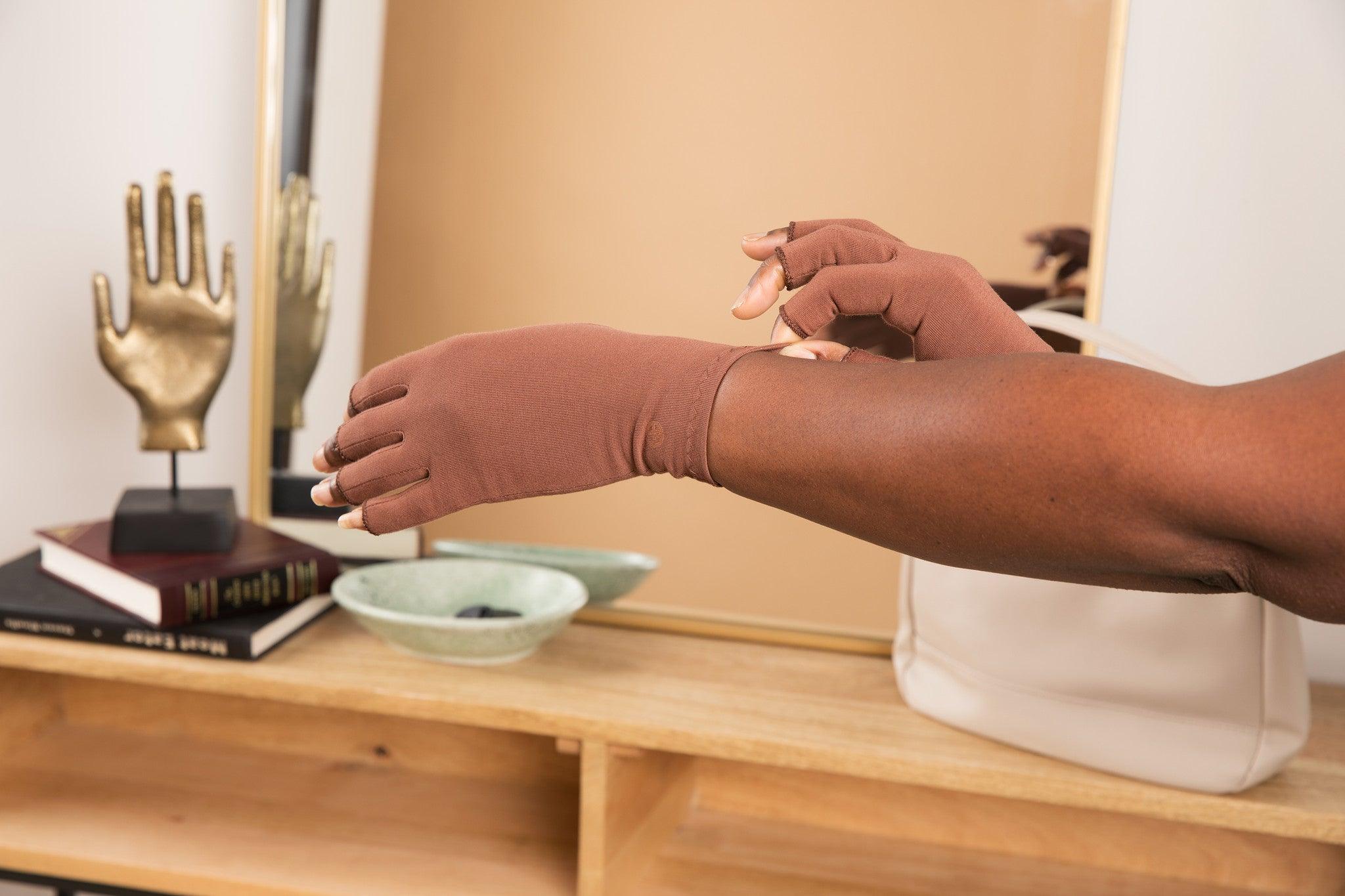
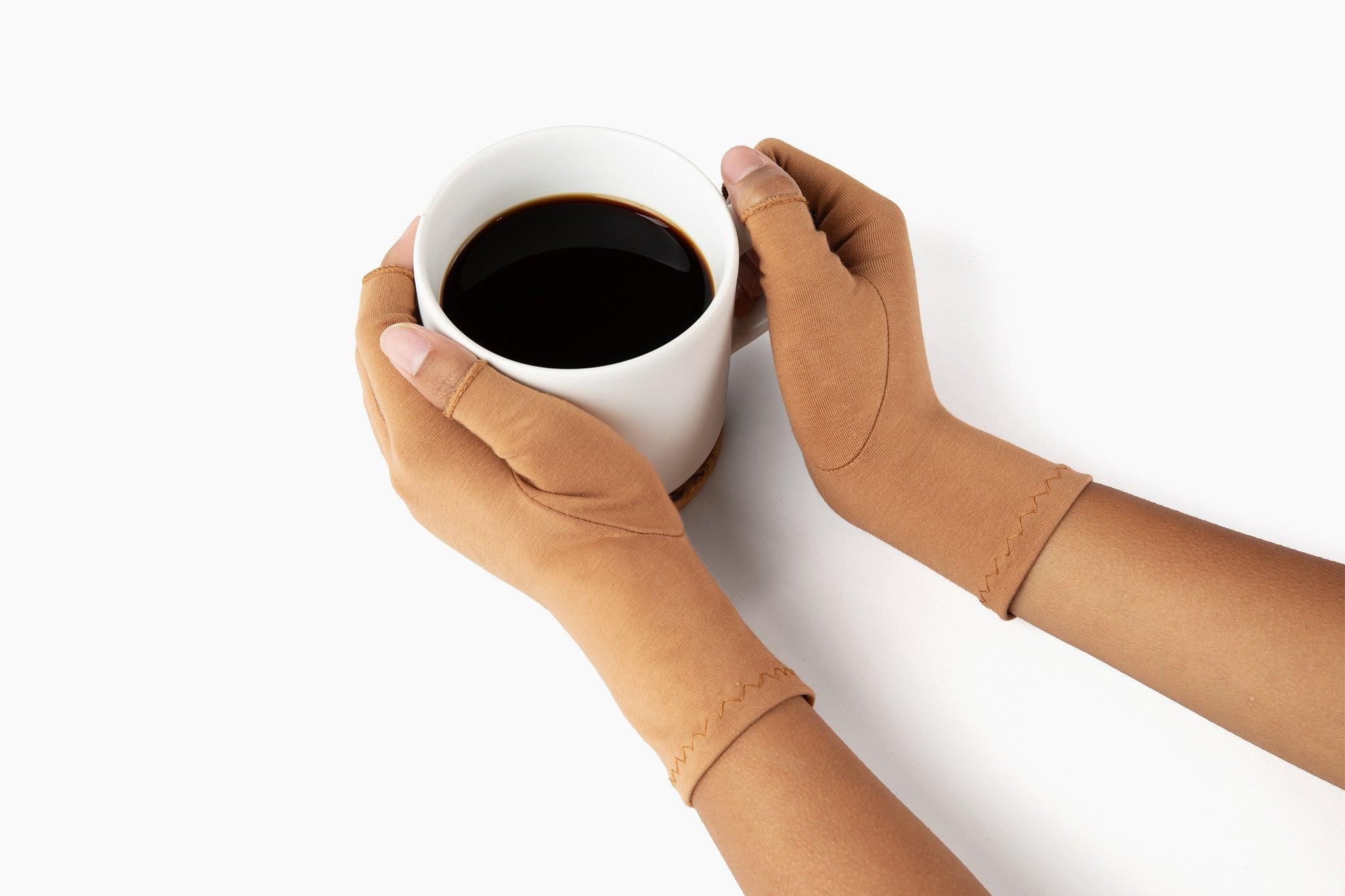
For many people, comfort comes from finding supportive habits that help reduce strain and encourage more mindful movement throughout the day.
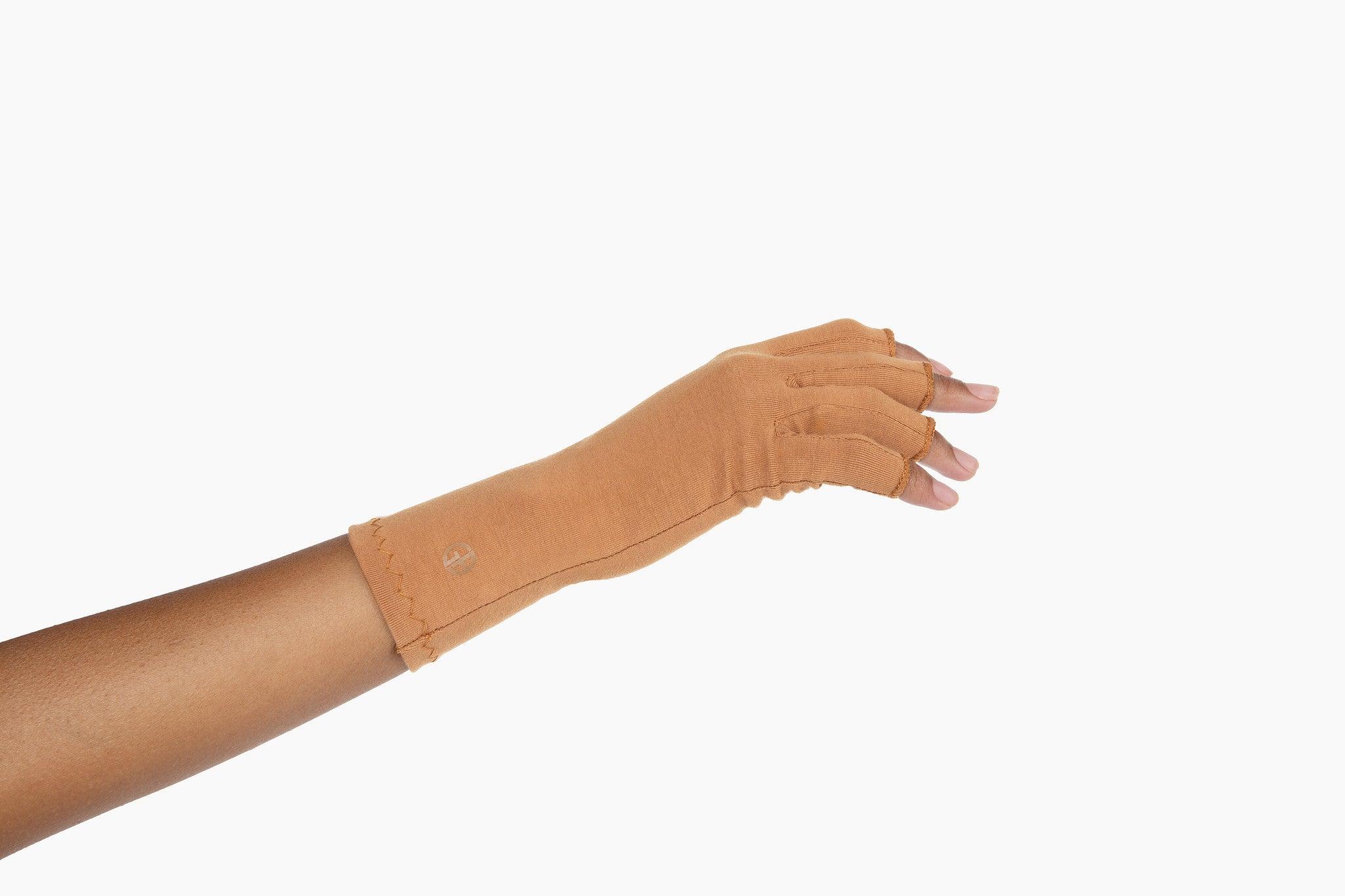
Support can look different for everyone, and many people gradually discover routines, tools, and gentle forms of support that fit into everyday life.
What matters most is recognizing that living with autoimmune arthritis is not simply about “pushing through.”
It is about learning, adapting, and finding ways to care for your body with understanding.
On World Autoimmune Arthritis Day, awareness begins with recognizing one important truth:
Autoimmune arthritis is not simply “regular arthritis.”
And for the millions of people living with it every day, that difference matters.



Share and get 15% off!
Simply share this product on one of the following social networks and you will unlock 15% off!